Tag Archives: The Piping Plover Project

WHERE DO PIPING PLOVERS GO AFTER DEPARTING MASSACHUSETTS AND NEW ENGLAND BEACHES?

Dear PiPl Friends,

As our Cape Ann Piping Plovers will be departing soon, our thoughts turn to where the adults and newly minted ace flyers will spend the winter months?
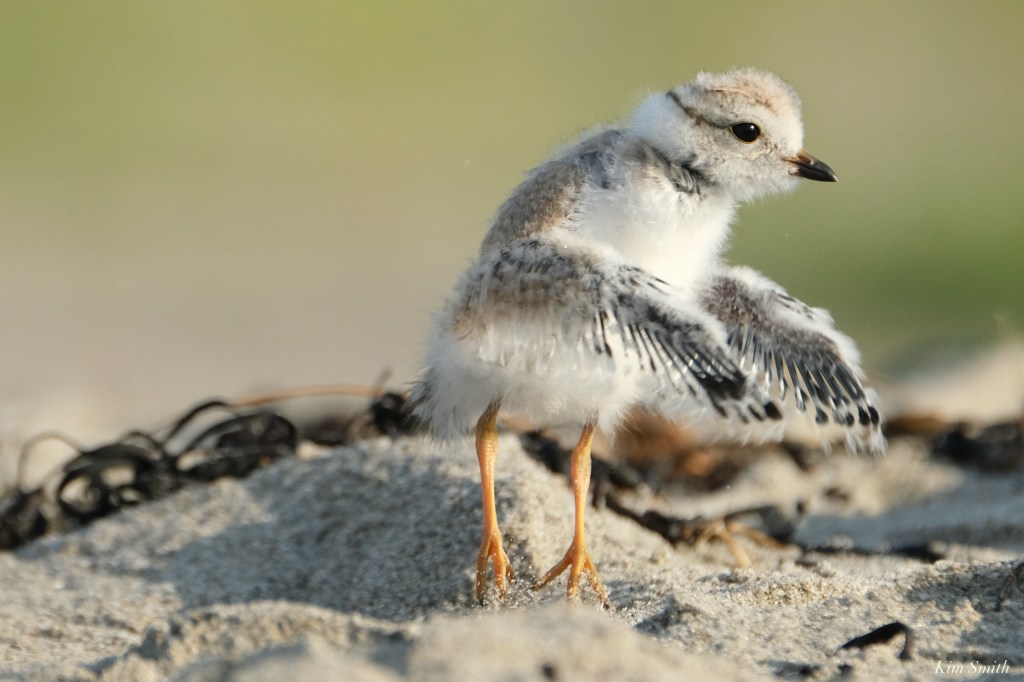
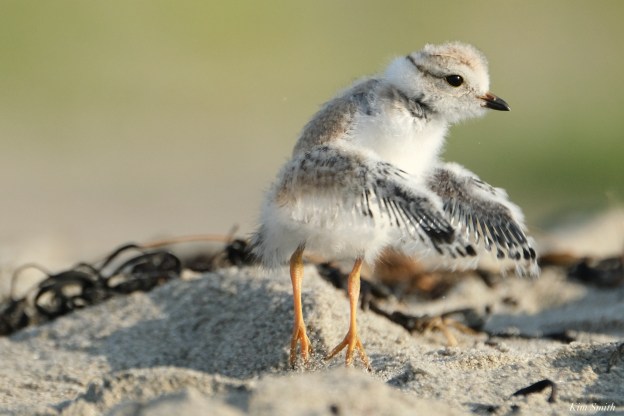
Practicing lift-off – snapshot of one of the chicks that fledged Good Harbor in July

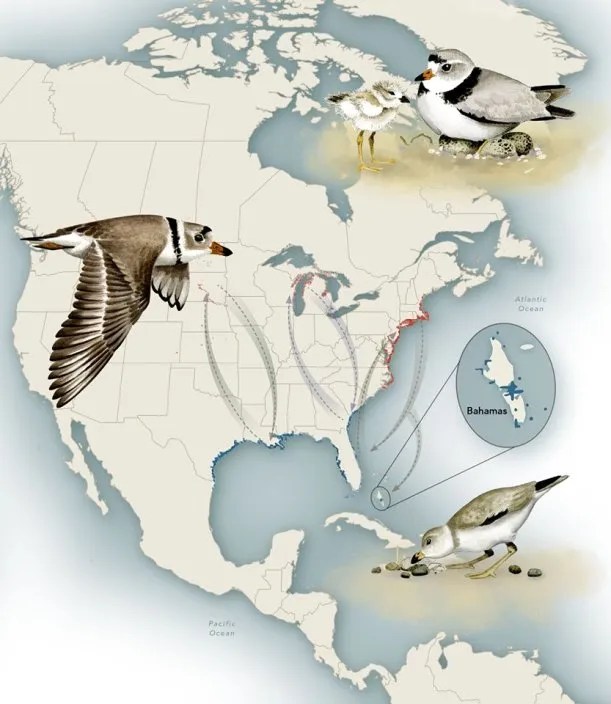
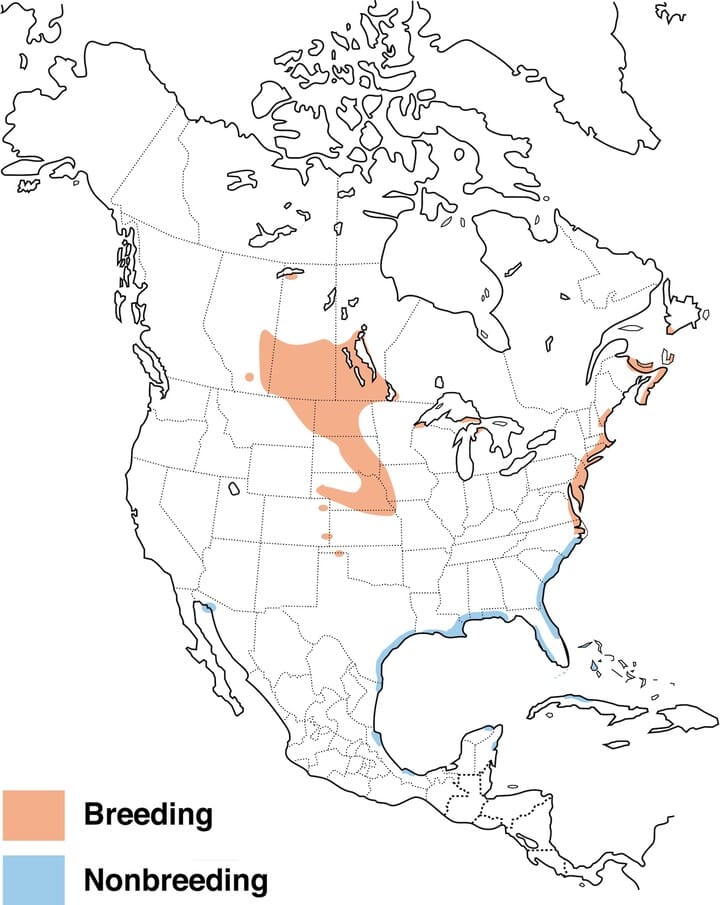
Where do Piping Plovers migrate to when they leave their northern breeding grounds?

Like all migratory species of birds (and butterflies), the chicks must first build their lipid, or fat, reserves before undertaking the journey. We know from Plover banding programs conducted at the University of Rhode Island that the majority of Massachusetts Piping Plovers fly non-stop to the outer banks of North Carolina. Here they will stage for about a month, undergoing a semi-molt, where they lose their old worn out feather and grow fresh new feathers. After fattening up for the next leg of their journey, many Plovers from the north Atlantic region migrate to the Bahamas, Cuba, and the Turks and Caicos.

Just as Piping Plovers are site faithful to their breeding grounds, so too are they are site faithful to their winter homes.

Congratulations to Piping Plover Conservation in Nova Scotia!

We have exciting plover news to share today! 🐣

After nearly 20 years (2004), a Plover pair has hatched a nest at Crescent Beach in Lockeport, NS this summer! We are celebrating the fantastic community of supporters who helped the plovers get there, including our amazing volunteer, Jane.

We hope the chicks survive and fledge but we need your help. Please stick to the wet sand, keep your pets on leash and give these chicks plenty of space to thrive. And keep in mind that these chicks will venture around the beach so make sure to #sharetheshore #pipingplover #conservation #shorebirds #beach #protection #novascotia

HAPPY FATHER’S DAY TO ALL THE SUPER DADS!

HAPPY FATHER’S DAY TO ALL THE WONDERFUL SUPER DAD’S, both human and avian!

My husband Tom is the best Dad you could ever imagine. From Tom, I inherited the best father-in-law, his Dad. My heart is filled with much joy when I see my son Alex with his daughter and know he has inherited their same thoughtful and kind, gentle loving nature. I don’t want to go on about this because I realize not everyone is so blessed and that there are many absentee fathers out there, mine included. Enjoy all the Dads in your life and know you are so blessed if you are fortunate to know a good one.

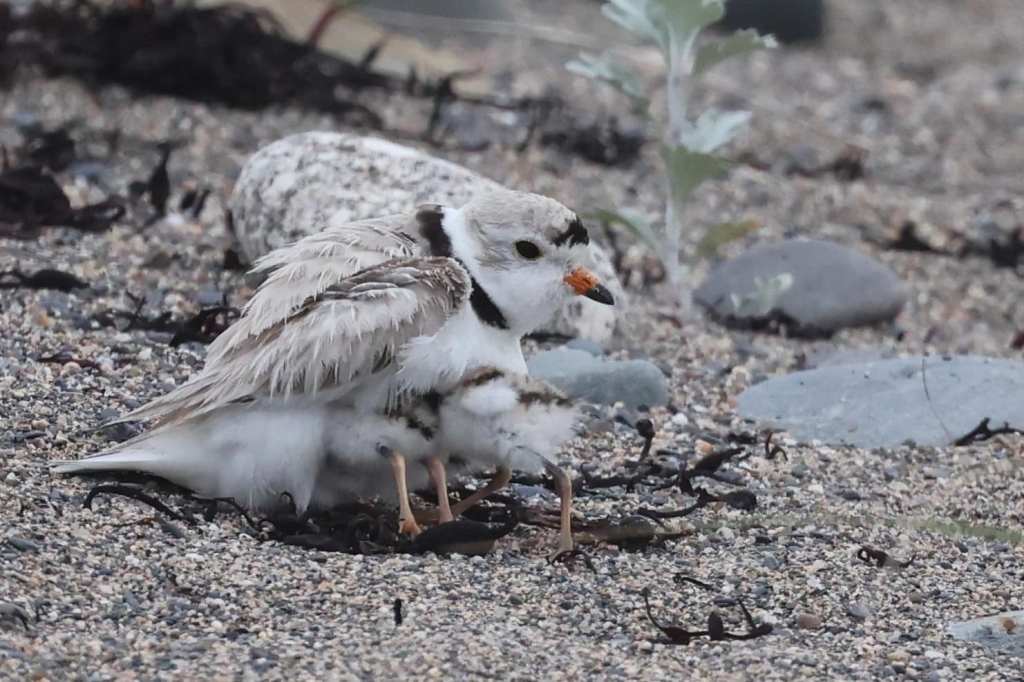
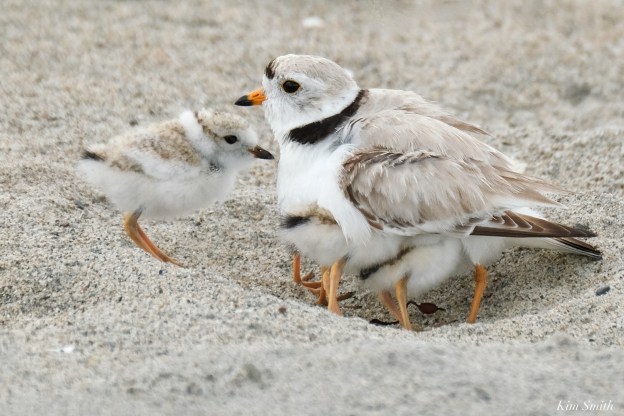
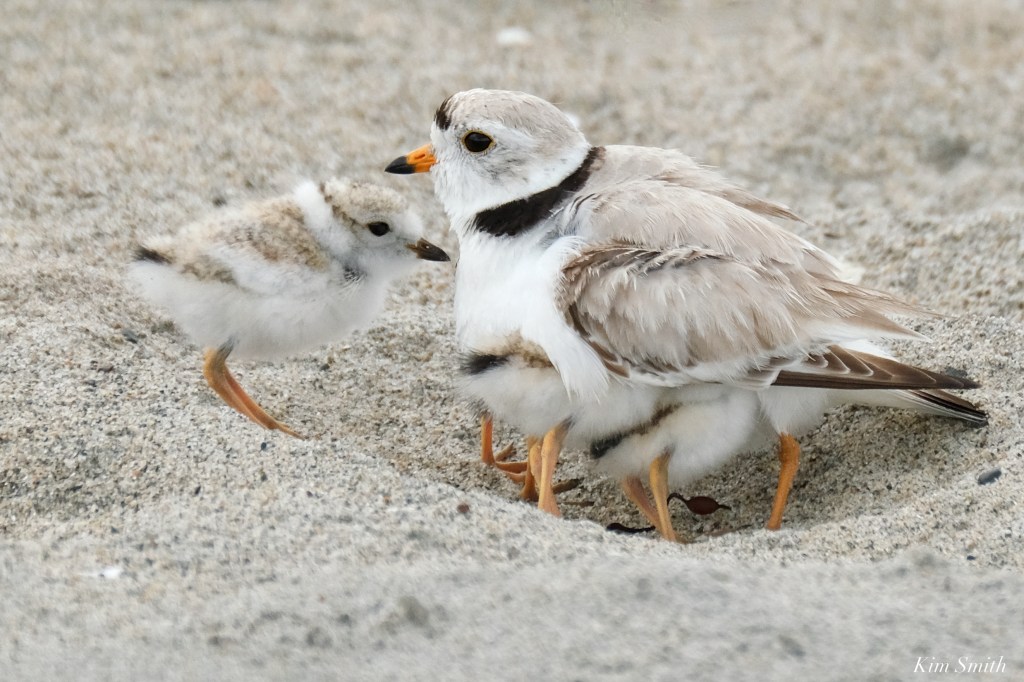
The first photo is of a Piping Plover Dad thermosnuggling his three chicks and was taken recently at a beach on the south shore. I think the chicks are about three weeks old in the photo and it reminded me of our Good Harbor Super Dad. We call him Super Dad for a variety of reasons, but one of the most poignant is how he stayed with the handicapped chick for a month beyond the date when HipHop’s siblings had already learned to fly. It took Hip Hop twice as long to manage sustained flight but Super Dad was with him every step of the way. I think this is very unusual in the animal kingdom and is counter intuitive to the survival of the adult.

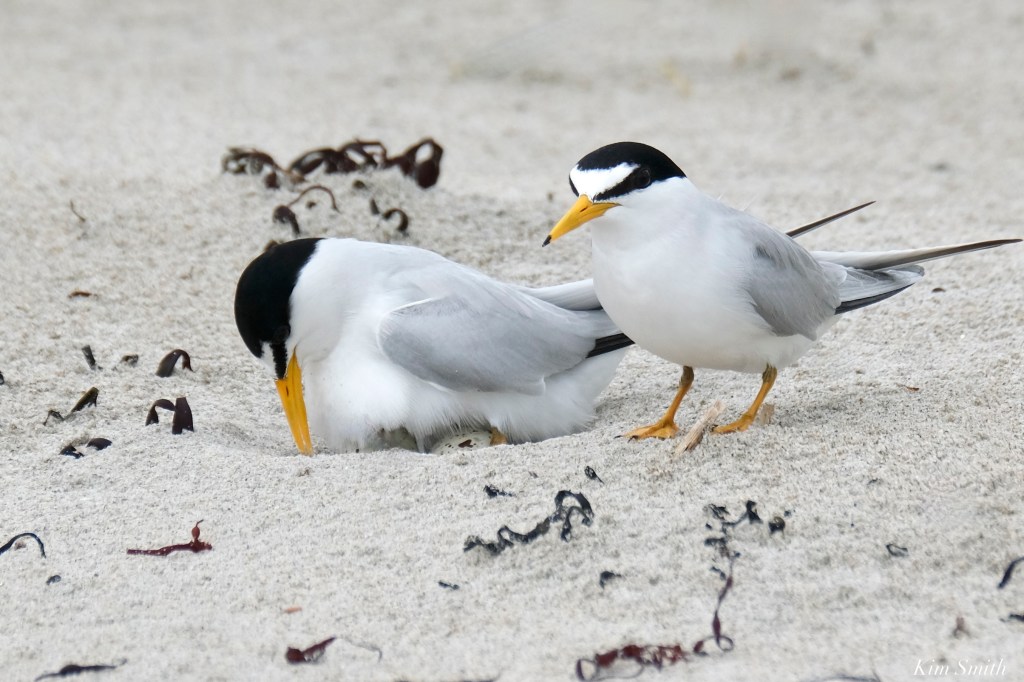
The second photo is of another species of shorebird that breeds along the New England coast, the Least Tern. Least Tern Dads share equally in brooding eggs.

Unlike Piping Plover chicks, which are precocial birds and can feed themselves within hours after hatching, Least Terns are semi-precocial and need to be fed by the adults. Least Tern Dads share equally in feeding the chicks.

Gloucester Ambassadors First Full Week Working with Mass Audubon – June 11th Plover Lover Weekend Update

Dear PiPl Friends,

As many of our PiPl followers are aware, this year the City of Gloucester hired Mass Audubon to help manage Cape Ann’s Plover population. We’ve had our first full week of collaborating with Mass Audubon and I have to say it just could not be better for all involved, but most importantly, for the Piping Plovers! The Mass Audubon staff is tremendously professional, kind, friendly, dedicated to wildlife conservation, and very personable. Lyra, who heads the coastal waterbird program for Mass Audubon, and Devon, Gloucester’s assistant conservation agent both have a great deal of experience managing Piping Plovers and are quick to respond to questions and challenges as they arise.

A few changes have been made to the beach. The roped off Plover areas to protect the Plovers has increased, however, there is still loads of space for beachgoers. An added bonus to creating safe spaces for Plovers is that over time, we have seen how the established protected areas for the Plovers has vastly improved the overall health of the beach. Why is that? Because when people and pets aren’t recreating up against the dunes, new vegetation is allowed to take hold including native American Beach Grass (Ammophila breviligulata), American Sea-rocket (Cakile edentula), Common Milkweed (Asclepias syriaca), Beach Pea (Lathyrus japonicus) and Seaside Goldenrod (Solidago sempervirens). Protecting the dunes is one of the best coastal strategies for combating a warming climate. It’s truly a beautiful thing to see how much healthier are our dunes!

Another change that has taken place are the guidelines in how close we should stand when observing the Plovers. One of the most important ways to help the Plovers is to give them lots and lots of space. If we hover/stand/place camera gear for long periods of time pointing to the Plovers, wildlife biologists working with Mass Audubon have documented that this activity attracts Crows and Gulls! You may ask, “why is that a bad thing?” Crows voraciously eat Plover eggs and hungry seagulls eat Plovers at all stages of development, including eggs, hatchlings, and even 3 week old chicks.

The best way for we beachgoers to help the Plovers is to watch from a distance and not hover near the birds. With a half-way decent lens and a camera sensor with a good crop factor we can get beautiful shots from a safe distance. The City, Mass Audubon, and we Ambassadors are all asking this of the community and we are deeply appreciative of your help.

Piping Plover smackdown – The video is of our handicapped Super Mom. Her disability does not impede her determination nor ability in defending her territory. She is perhaps Good Harbor Beach’s most fierce Plover, despite her missing foot.

Piping Plovers ferociously defend their nesting territory from intruders of every shape and size; puffing up their feathers to appear larger, chasing, and even biting the offender. Here she is in early spring defending her little slice of Good Harbor Beach from Scruffy Boy’s shenanigans!

PIPING PLOVER JUNE 4th UPDATE

Dear PiPl Friends,

Many have written looking for a PiPl update and I just want to assure everyone that the PiPls have so far managed to survive the high tides and very unseasonably cold temperatures. The tides are predicted to be very high this week so we’ll just keep our hopes up we won’t have a wash out.

A first ever for me this morning; I checked on the Plovers wearing a wooly winter weight sweater, heavy coat, and thick socks. The temperature was 45 degrees on the beach!

Super Mom foot pattering

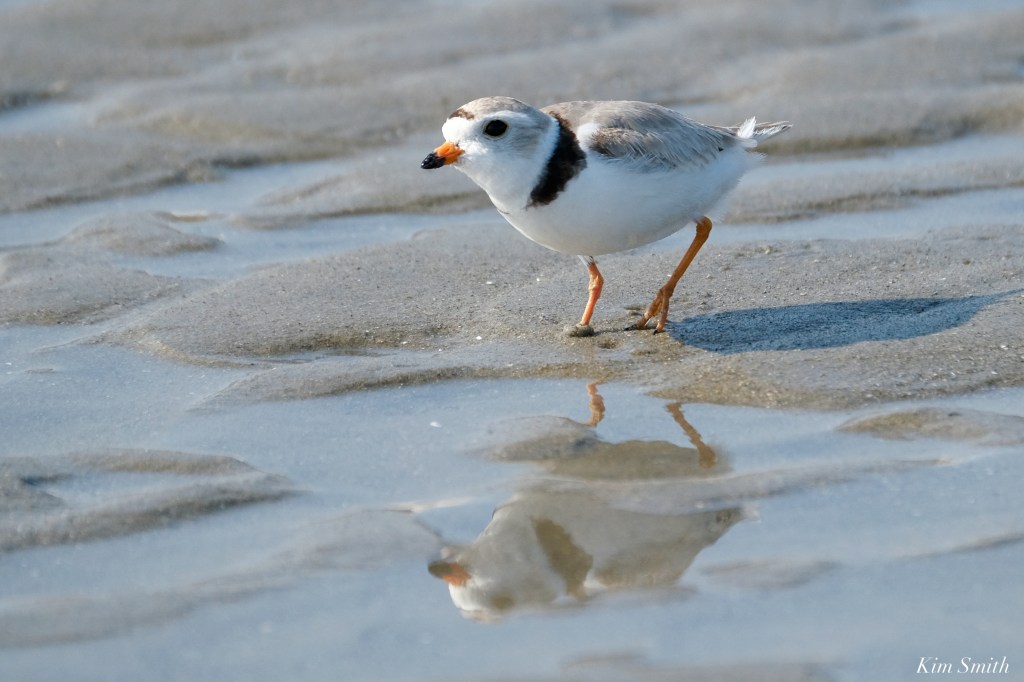
Super Mom is doing especially beautifully. Plovers do a sort of “foot pattering” when foraging. The behavior is also called “foot-trembling” or “foot-tapping.” They shake their foot in the sand, then cock their heads as though listening. The vibrations caused by the foot pattering helps to bring worms and mollusks closer to the surface. The prey is usually a few inches away from where they are pattering, but sometimes as much as a foot away, nonetheless, the PiPl runs to the potential prey, plunges their beak into the sand, and almost always surfaces with some kind of invertebrate.

This seems like such an important behavior for the Plovers to enable them to successfully forage. I wondered if Mom would still shake her leg with her missing foot. Last week I observed Mom foot pattering! She doesn’t alternate feet, as is typical, but uses only her footless right leg to patter and stir up the sand. Her ability to adapt her behaviors to survive her handicap is extraordinary!

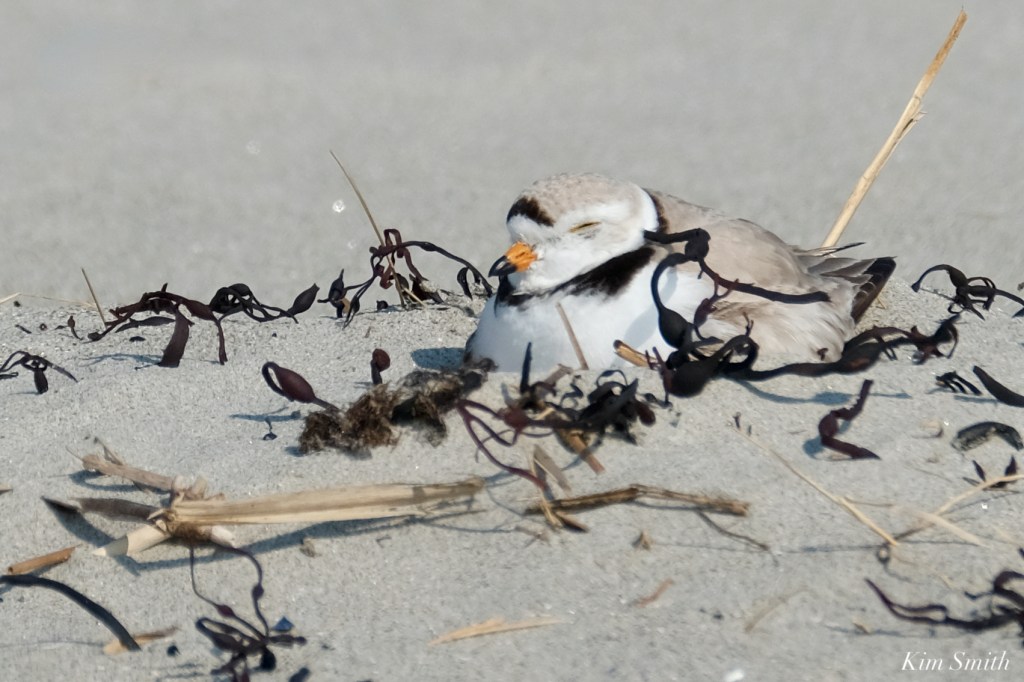
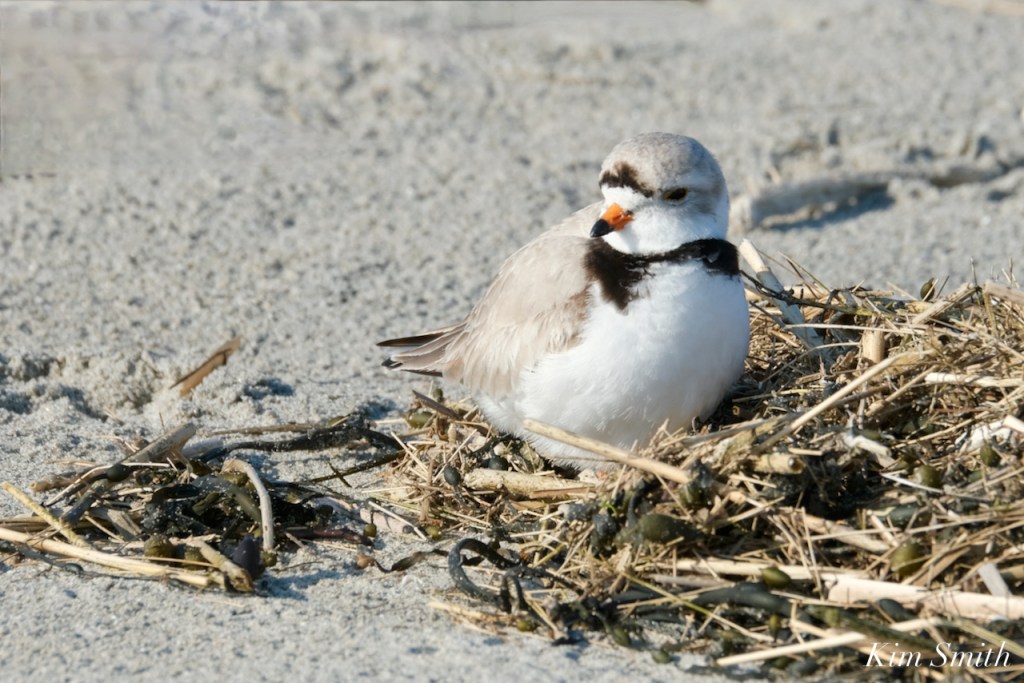
Super Dad napping (on a warmer day this past week)

THE BEST PLOVER NEWS! #ploverjoyed

Hello PiPl Friends!

Joyful update to share – Super Dad and Handicapped Mom have done it again!! We have a nest! Our Super Couple has been nesting at GHB since 2016, making this their 8th nest in 8 years. We are so blessed to have this valiant, beautiful little pair of PiPls that call GHB their home ❤

Nesting is going more slowly at other areas of the beach. We are consistently seeing 3 males duking it out, from one end of the beach to the opposite end. The females that have stopped at GHB have not stayed long. I think we should keep a strong eye out at Cape Hedge because it is only one beach further north and because one of the females that was briefly at GHB had very pale markings, similar to the female that nested at Cape Hedge.

I am very behind in updates and apologize for that! My butterfly and native plants ABC garden for the elementary kids at Phillips Academy campus in Andover needed much attention after a period of neglect due to Covid. This past week, we had a team of FORTY EIGHT volunteers from Liberty Mutual come and help clean up the campus and dig new beds. They were beyond unbelievable. This is a program offered by Liberty Mutual to help nonprofits. Even the CEO was there pitching in, working just as hard as everyone else, digging and carting away wheelbarrows of soil. It was a whirlwind cleanup, amazing, and I am still reeling from the amount of work they accomplished.

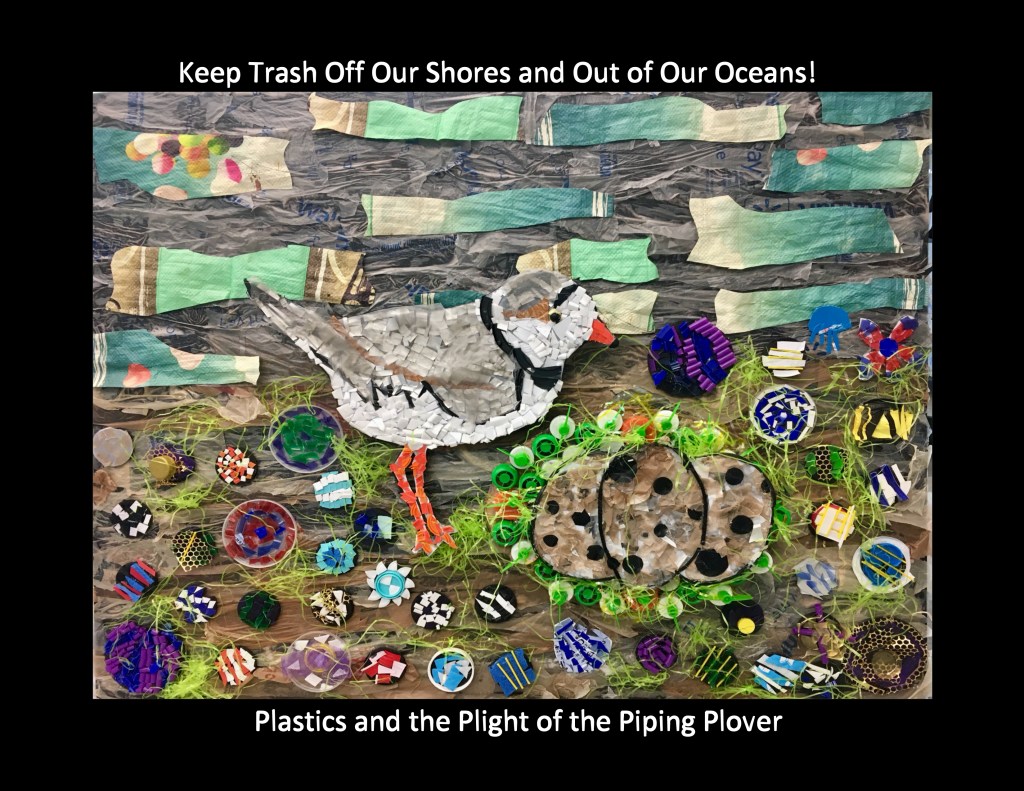
This fantastic illustration was shared by our dedicated and long-time PiPl Ambassador Jill Ortiz.

“This submission is a photograph of a poster sized piece of artwork created by students from Hanscom Primary School on Hanscom Air Force Base.
Students learned about the piping plover and the impact of plastics on shore and marine life. Students drew the bird, nest and eggs. They used plastics that were to be trashed and repurposed them to create this collage. Every student then made a shell to add to the creation.”

Happy Mother’s Day to all our PiPl Friends that are Moms!
xoxo Kim

P.S. Did you know that we have Water Snakes at nearly every body of water on Cape Ann and in Massachusetts? I did not, but became interested in learning more after seeing several while working on my pond film. May is an amazing time of year for wildlife in New England! Scroll through to see just some of the wildlife happenings taking place right here in our midst – – https://kimsmithdesigns.com/

HAPPY UPDATE FROM PLOVERVILLE #ploverjoyed!

Dear PiPl Friends,

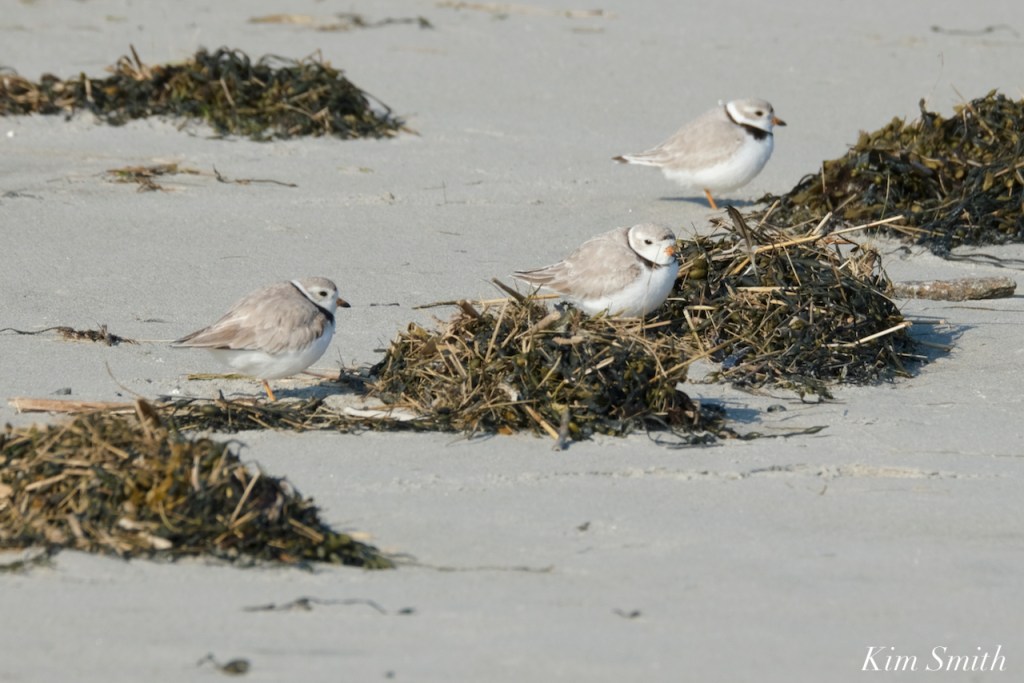
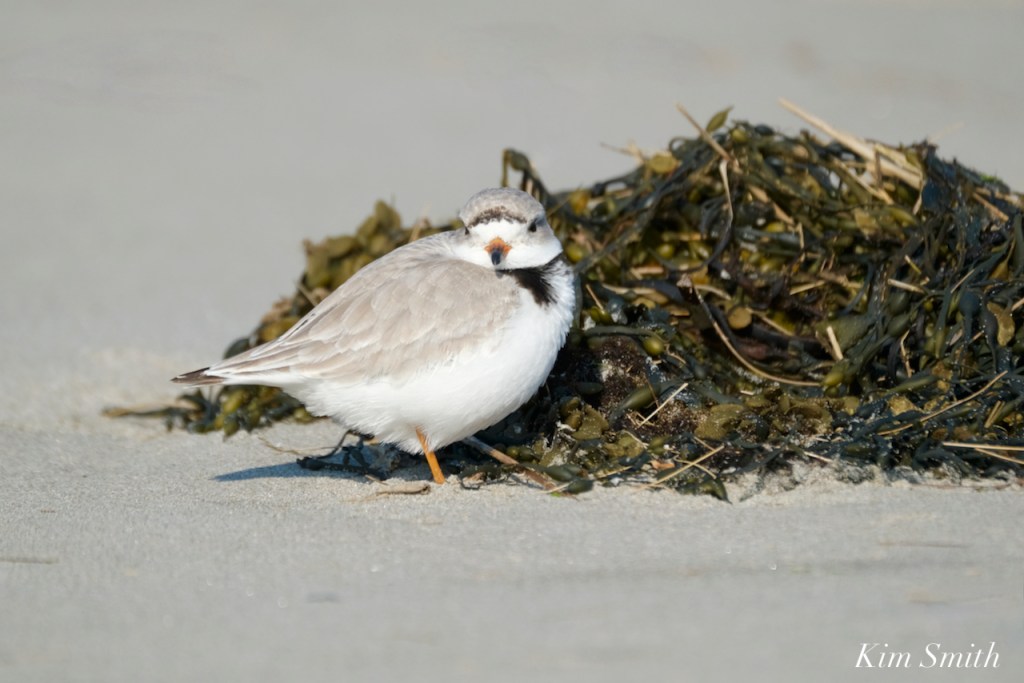
FIVE PiPls are currently on the scene! The additional two appeared Wednesday morning, as shared by ACOfficers Teagan and Jamie. I located all five yesterday afternoon. It was cold and very windy and all (except our freewheeling scruffy male), were huddled behind clumps of seaweed, on the opposite side of the incoming wind. The two newest arrivals are definitely one male, but I couldn’t tell conclusively if the other was a very light male or a dark female (I hope so much he/she is a female!).

Super Mom flanked by Super Dad (left) and newly arrived PiPl, either female or male?

At first I only spotted four but then I heard a sharp peep. I thought that’s weird, the four are quietly resting, and it sounded like the peep was from behind. Where did it come from? Must be the wind playing tricks with my hearing. A few minutes later I got up to leave, and the fifth one was resting in the sand about four feet away!

We’re heading into peak spring migration so stay tuned!

Male arrived overnight 

I have been chatting with the Mass Audubon field agents in the morning and am just so inspired by these young earnest biologists, so eager to help and make an impactful difference. They are much like the field agents that I meet at DCR beaches, really kind people. I am looking forward to our Ambassadors and beachgoers meeting the Mass Audubon group!

Recently I attended a virtual meeting for the NYCity volunteer Plover ambassadors. It’s fascinating to learn how other urban beaches manage their PiPl populations, both the positive and the negative aspects. They encounter nearly the exact same responses and issues as do we. Ninety percent of their encounters are positive and people love the birds. They have the same negatives as well – namely dogs and people running through the nesting areas and dunes.

We had a wonderful turnout for the GHB Earth Day clean-up event. With thanks and gratitude to Reverend Sue from the Annisquam Village Church and Rory McCarthy from Clean the Creek for organizing the event. Thank you so very much to everyone who lent a hand!!

Enjoy the sun while it’s shining!

Warmest wishes,

xxKim

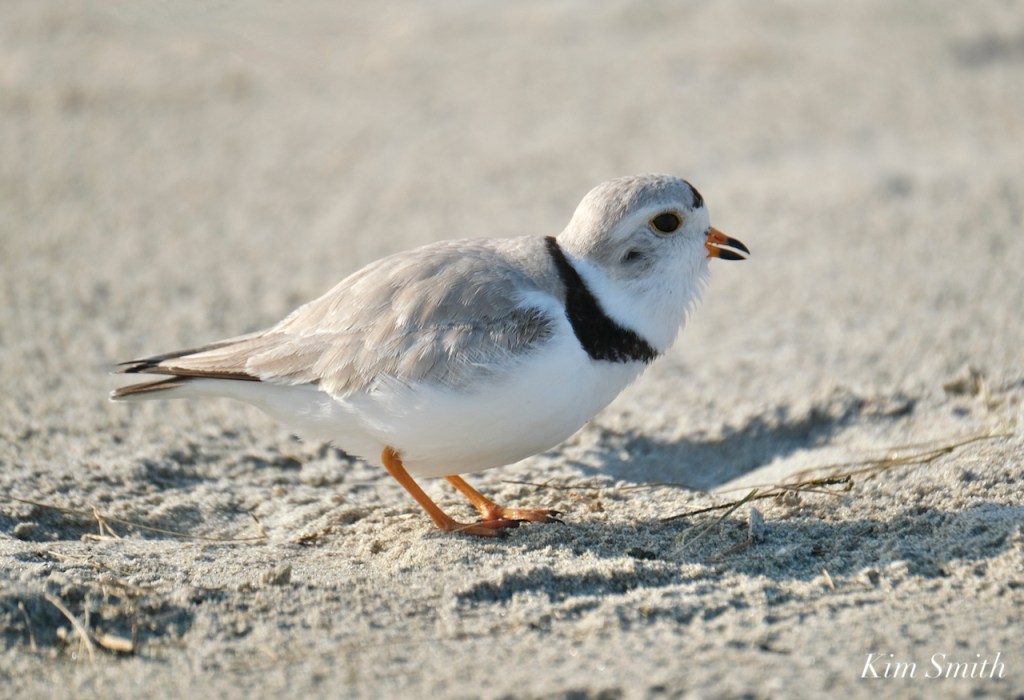
Our perpetually scruffy looking, as of yet, unattached, male

Female of male? Leaning toward female as Super Dad allowed her to rest quietly in close proximity to Super Mom, without chasing her/him away

One more of the new boy

Watch how handicapped Super Mom has adapted in how she gets around

Lots of folks are asking, “how does Piping Plover Super Mom manage with her missing foot?” She has adapted beautifully however, you can see from these short clips, that it takes much more effort to get around.

If you see Plovers on the beach know that one may be Super Mom. Plovers need minimal disruption as they are becoming established at their nesting sites and Super Mom even more so.

Thank you for giving the Plovers all the space that they need!

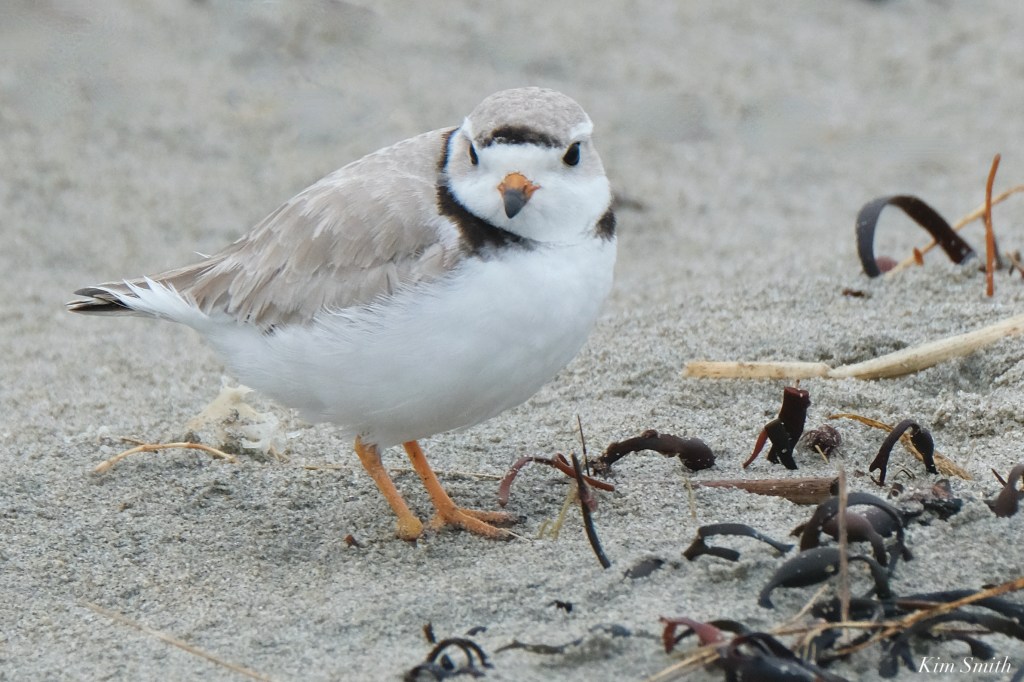
In the summer of 2021, one of the Good Harbor Beach Piping Plover’s foot became entangled in dried seaweed and monofilament. Over the winter she lost all the toes on her right foot. She returned to GHB in 2022. Piping Plover Super Mom has adapted in how she walks, runs, forages, preens, and even in how she mates. Over the summer of 2022 she and her long time partner, Super Dad, successfully raised four chicks to fledge. She has again returned to her nesting site in the spring of 2023. She is healthy, foraging well, and nest scraping with her mate!

FROM THE GLOUCESTER DAILY TIMES – MASS AUDUBON TO HELP PROTECT PLOVERS

We’d like to send a heartfelt thank you to the Gloucester Daily Times staff writer Ethan Forman and editor-in-chief Andrea Holbrook for writing about our Good Harbor Beach Plovers. We friends of Cape Ann Plovers appreciate so much your thoughtful writing and taking the time to get the story straight!

Mass Audubon to help protect threatened plovers

By Ethan Forman

The sighting of the one-footed piping plover Super Mom, and others like her on Good Harbor Beach during the last week in March, coincides with human activity there meant to help preserve and protect coastal shorebirds during the busy summer beach season.

That includes the installation of symbolic fencing made up of metal posts and yellow rope around the dunes with signs letting beachgoers know the “Restricted Area” is “a natural breeding ground for piping plovers.”

“These rare birds, their nests and eggs are protected under Massachusetts and federal laws,” the signs read.

The nation’s oldest seaport is taking extra steps this year to monitor and minimize disturbances to Super Mom and others of her threatened species of small, stocky migratory birds that have made the popular beach their summer home in recent years.

On Monday, the city announced it had entered into an agreement with Mass Audubon to help with the monitoring and management of coastal nesting birds, including piping plovers, on the city’s public beaches, according to a press release.

READ THE FULL STORY HERE

WONDERFUL NEWS – HANDICAPPED PIPING PLOVER SUPER MOM AND SUPER DAD REUNITED!!!

Dear PiPl Friends,

We are overjoyed to share that our Super Mom and Dad have reunited!

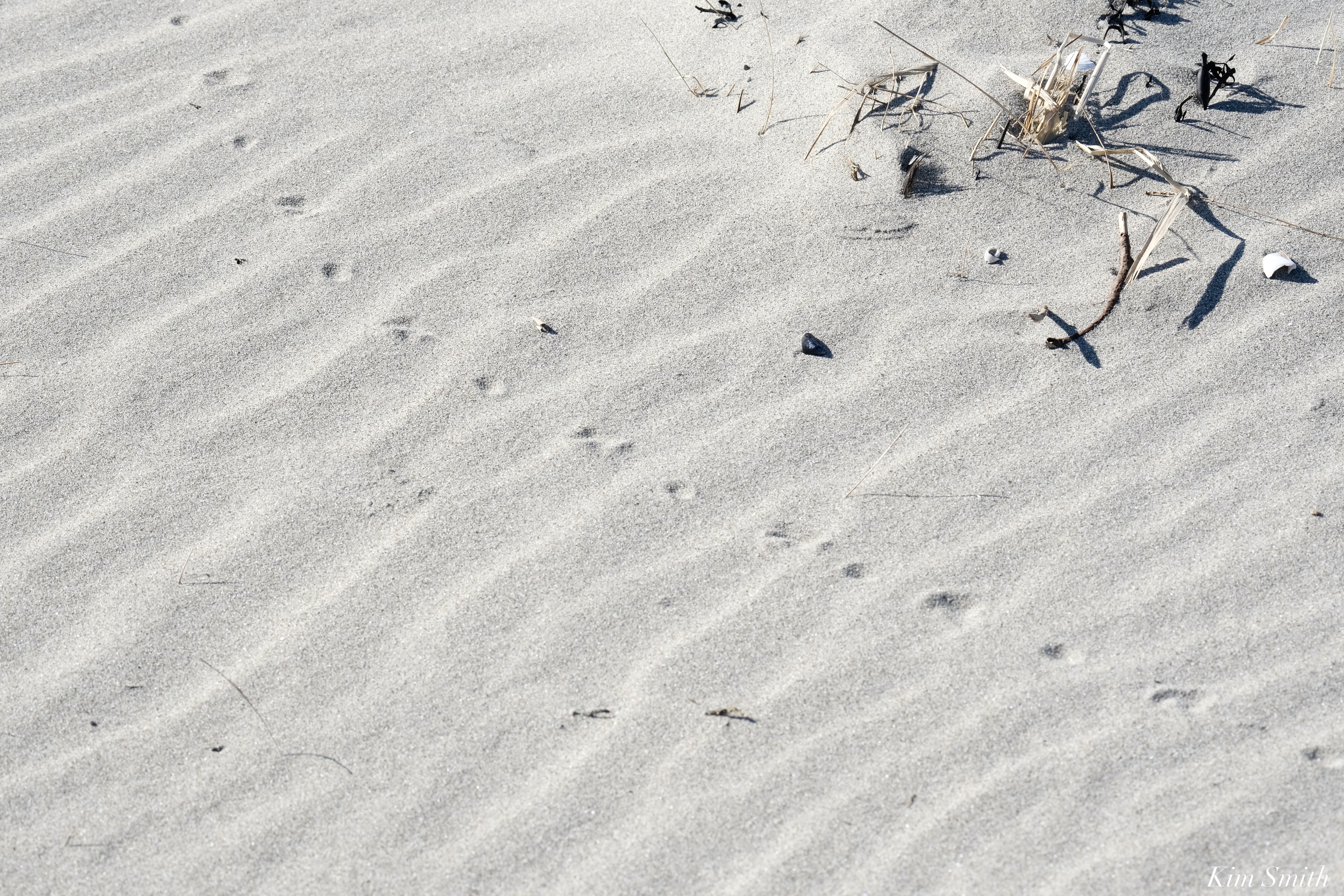
Early last week while checking on Plovers, it appeared as though one of the sets of Plover tracks was our Super Mom. The day was very windy and the tracks were disappearing as I was filming however, it looked like tracks made by a peg leg. Later in the week, I spotted the pair we have been seeing since the last week in March. Because of the cold and wind, they had been laying low. But sure enough, as soon as the female moved, it was clear she was our handicapped Mom!

Handicapped Mom’s tracks

I think it’s truly extraordinary that our handicapped Mom has twice been able to make the round trip migration south to north and north to south, despite her missing digits. With her missing toes, she has had to totally adapt in how she walks, runs, stands, forages, nests, preens and even how she mates.

Wildlife can be remarkably resilient. I am reminded of the Great Lakes Old Man Plover, one of the oldest Plovers on record. When he was about 11 years old, he lost the toes on his left leg, just like our Super Mom has lost hers on her right leg. He continued to return to Sleeping Bear Dunes until 2017, when he disappeared. He was fifteen years old when last seen.

Super Mom

We also have a handsome bachelor who is actively calling for a mate. Hopefully his loud piping will entice a migrating female to check out GHB!

One Plover has been spotted at Cape Hedge by Plover Ambassador Paula. The weather was cold and windy and the PiPl was difficult to see from a distance whether male or female.

Piping Plovers are extremely vulnerable to disturbance while trying to establish their nests. If you see them on the beach, give them a nod, but please give them lots and lots of space. We all thank you for your kind consideration!

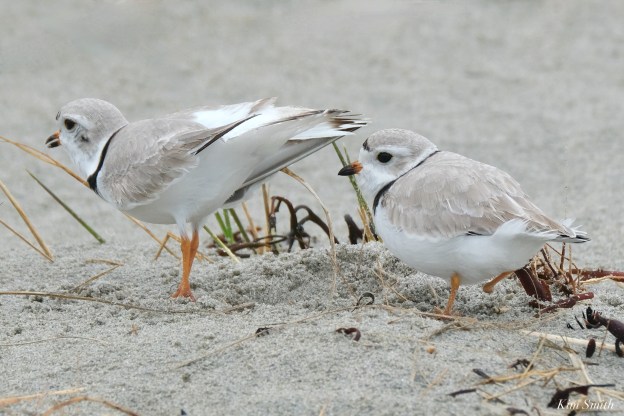
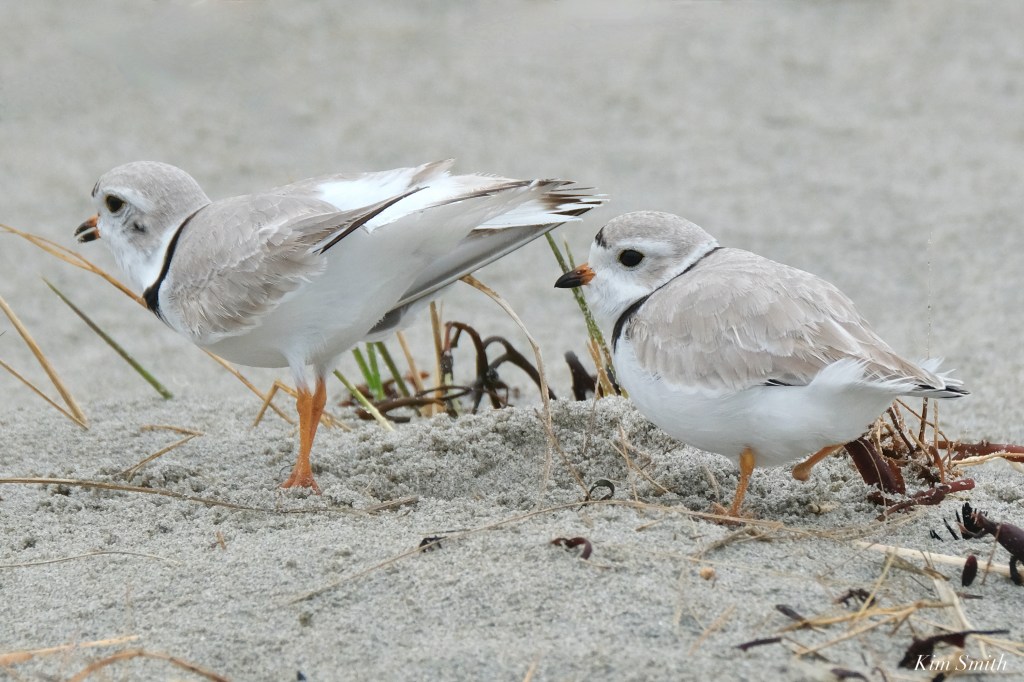
Nest-making – Dad on the left, Mom with missing foot on the right

If you would like to join our Piping Plover Ambassador group, please email me at kimsmithdesigns@hotmail.com, or leave a comment in the comment section and I will get back to you. Thank you.