Tag Archives: Plover migration

Just Me and My Shadow

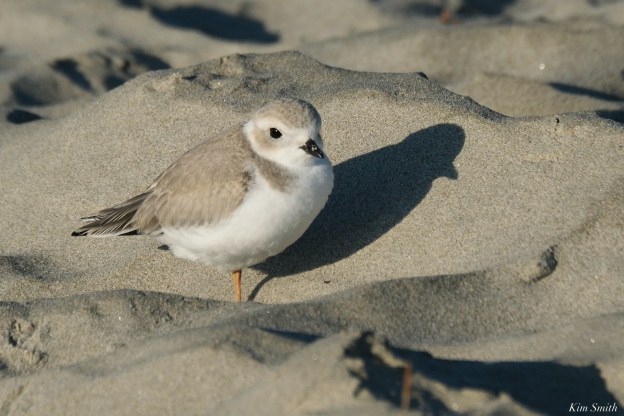
Happy Bday to our 45-day-old Piping Plover fledgling! He/she is the last of the Good Harbor Beach flyers. The photo/video was taken on Thursday when the little one was 42 days, or six weeks old. This is the age when we typically see them head out for their southbound migration. He’s still here as of Saturday but we are hoping to not see him any day now 🙂

I am very sorry to share that the rescue Plover did not survive. Tufts wrote that the chick had multiple chronic healed fractures and that the wing was held in a permanently drooped position. He would never be able to fly.  I was at first feeling extremely low about this but both our partners at Audubon and Lis from DCR wrote that if left on the beach its demise would have been very traumatic and, if not eaten by a predator, would slowly starve to death.

Thank you so very much to everyone who wrote with well-wishes for the injured Plover.

Piping Plover September Update

Dear PiPl Friends,

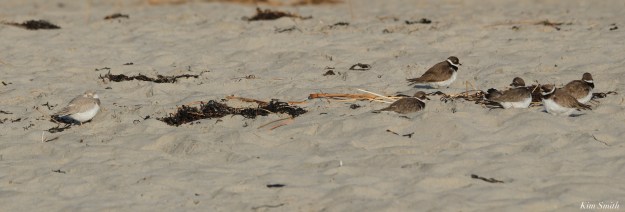
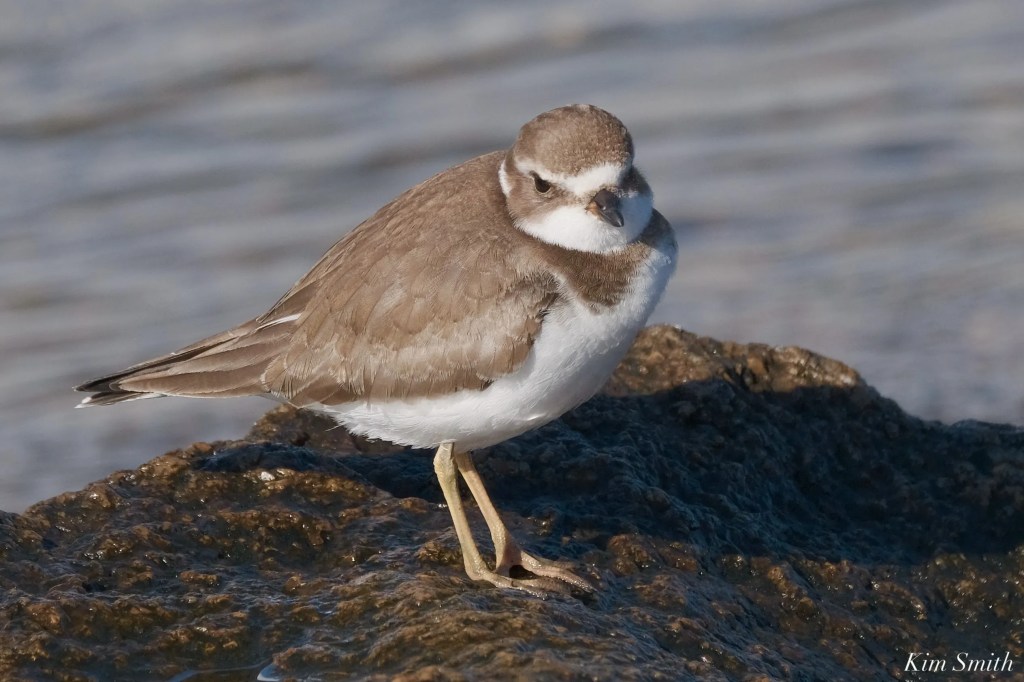
Our youngest fledgling has resurfaced at Good Harbor Beach! He/she had not been since the morning of the fierce hail and rain storm but there she was in the soft sand today, preening and sleeping alongside a mini flock of Semipalmated Plovers. Will they migrate south  together? Piping Plovers are reportedly solitary but are often seen during the non-breeding months foraging in mixed groups of Semipalmated Plovers, Sanderlings, and Dunlins. Several years ago, during their southward migration, I saw a flock of a dozen Piping Plovers tucked in with several hundred Semipalmated Plovers, all resting on the upper part of the beach.

39 day old Piping Plover fledgling with Semipalmated Plovers

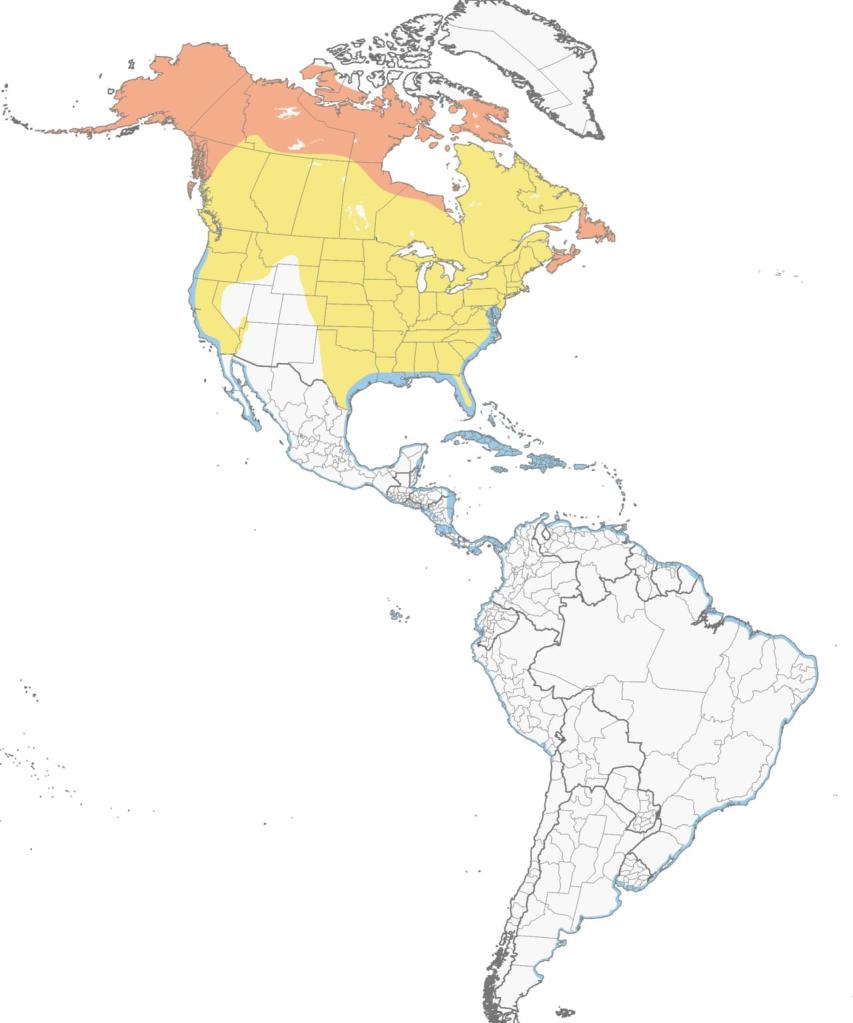
Semipalmated Plover range map – orange = breeding, yellow = migration, blue = wintering grounds

You can see from the map that the range of Semipalmated Plovers is vast when compared to Piping Plovers. They nest in subarctic and arctic environments and that is why we do not see them nesting at our local beaches. August is the peak time of year for the Semipalmated Plover’s southbound migration and we have seen many at Good Harbor Beach over the past month. Partners in Flight estimates the global population to be about 200,000 while the Piping Plover population as of 2020 was only about 8,000 adults.

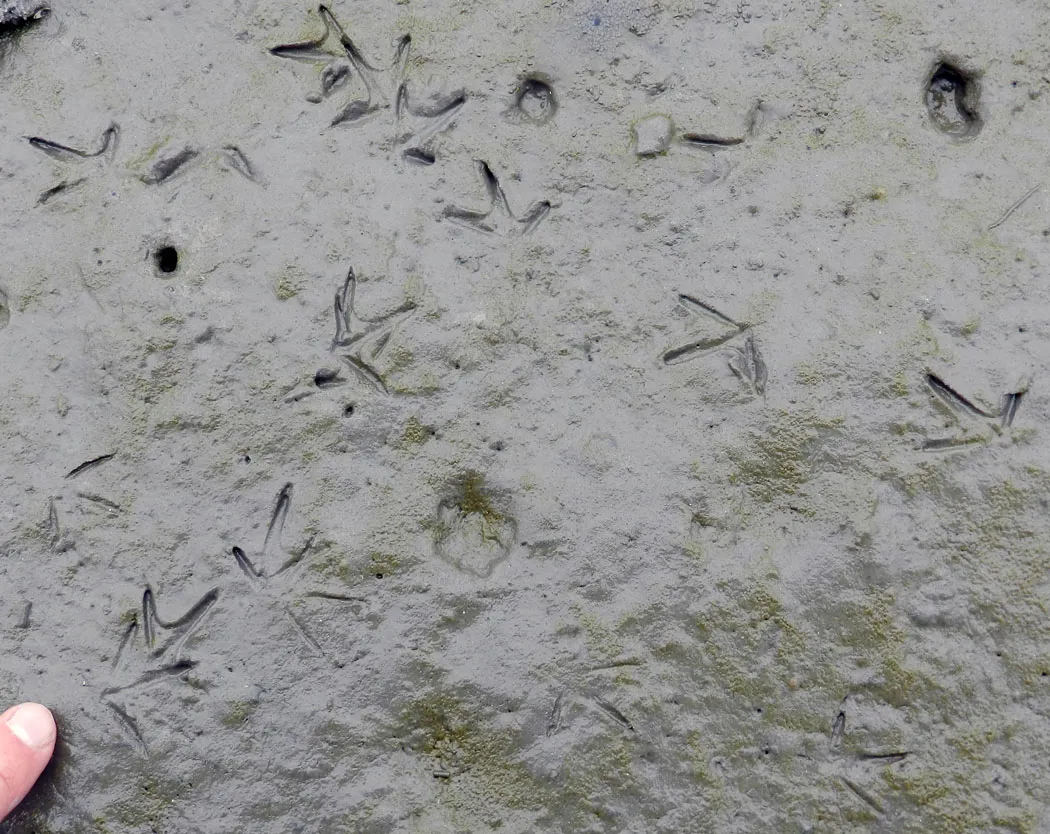
Semipalmated Plovers are called as such because only their two outer toes are webbed, ie. semi. The photos show the webbed tracks and the partial webbing of the toes.

From Life Traces of a Georgia Coast

Birds of the World

Piping Plover tracks

Enjoy this beautiful Labor Day,
xxKim

Plover Rescue!

Our Plover partners at Audubon received a call over the weekend that there was a Piping Plover at Coffins Beach with a broken wing. Plover Ambassador Deborah B located the Plover yesterday afternoon and Charlotte and I headed over to Coffins.  Sure enough, its left wing was dragging on the ground but it appeared otherwise in good shape, foraging and running the length of the beach.  It also seemed very bonded with another Plover, possibly a sibling.

Through Carolyn Mostello, the Massachusetts Coastal Waterbird Biologist with Mass Wildlife, we received clearance to rescue the Plover. Because Plovers are listed as a threatened species there are specific protocols that must be followed before handling the bird. Next we needed to get the go ahead from Tufts Wildlife Clinic that they could at this time accept the Plover.

After the all clear, Lis Kernan , Mass DCR Shorebird Recovery Program Coordinator, and I met at Coffins. We quickly found the Plover. Lis had brought two nets and she expertly guided me on how we could safely steer the bird into the nets. She was soooo fast and in no time, the bird was safely tucked into a waiting cardboard box outfitted with a soft towel, as was recommended by local wildlife rehabber Jodi Swenson from Cape Ann Inc..

As I was driving the little one to Tufts Wildlife Clinic in Grafton he/she began piping. It wasn’t the sharply piercing warning call Plovers make when stressed but the gentle sing-song piping that we hear when they are communicating with one another. I think it was calling to see if there were other Plovers in the vicinity. I responded (with words, not piping) and we seemed to have a back and forth conversation but then I wanted it to conserve its energy and stop piping. I tried singing lullabies to see if that would soothe its little soul, but he kept piping all along until the car stopped.

A very kind staff member, Patrick, was waiting at the clinic. He provided us with a case number so that we can check in periodically. If all goes well, it should take about three weeks for the broken wing to heal and then several more weeks to learn how to fly. I am afraid it will miss peak migration and see a road trip to North Carolina in our future 🙂

As Jamie from Audubon mentioned, today was a great example of cross-organization collaboration to help an injured creature.

Above photos courtesy Lis Kernan