Dear PiPl Friends,
I hope you are doing well. We are keeping our family and friends in our hearts as they struggle to return to a normal way of life after the tragic LA firestorms. I hope the winds die down soon so recovery can begin in earnest. Our daughter shares that she and her boyfriend are bringing supplies to firehouse donation centers and she is keeping her hummingbird feeders well-filled as there are more birds than ever in her garden.
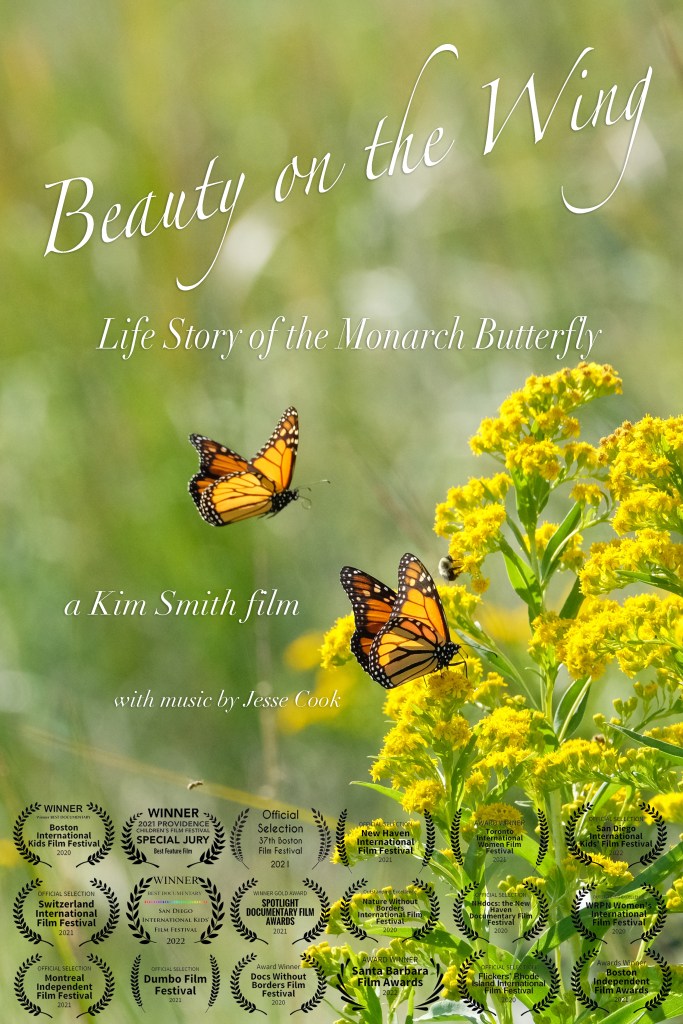
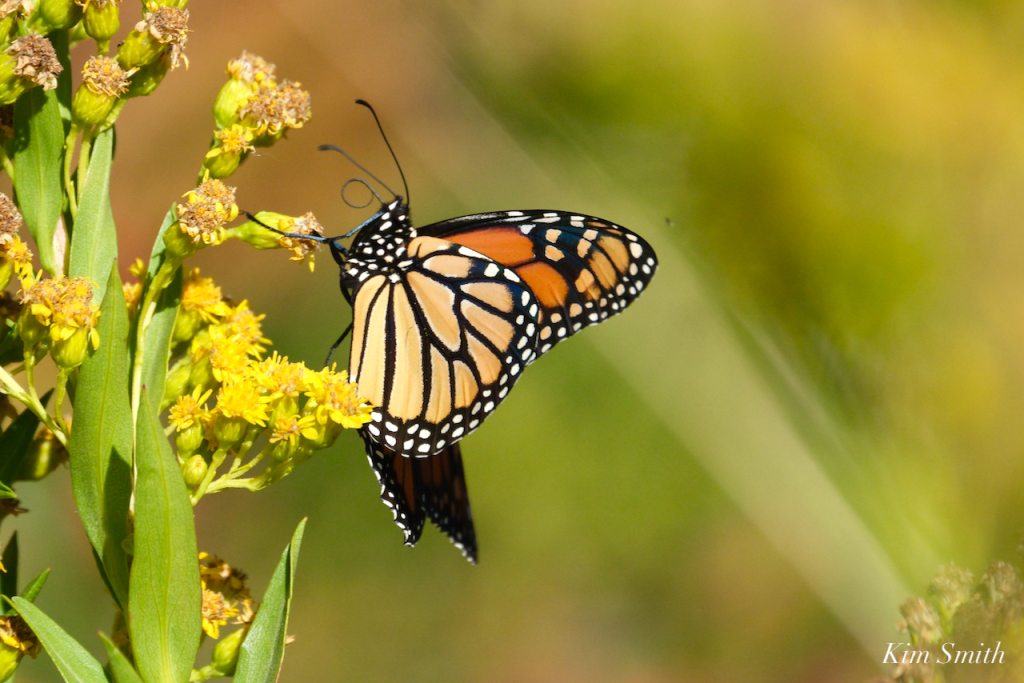
Thursday night I am giving a screening and Q and A of our Monarch film, Beauty on the Wing: Life Story of the Monarch Butterfly for the Carlisle Conservation Foundation at the Gleason Public Library. We have super good news to share regarding the Monarch film – the contract has been renewed with American Public Television, which means our documentary will be airing on PBS for another three years! We will have two nature documentaries simultaneously airing on public television 🙂 Our film about the magnificent migrating Monarchs provides a wealth of information not only about the life story of the butterfly, but also suggestions on what to plant to support the Monarchs throughout their time spent in their northern breeding range.
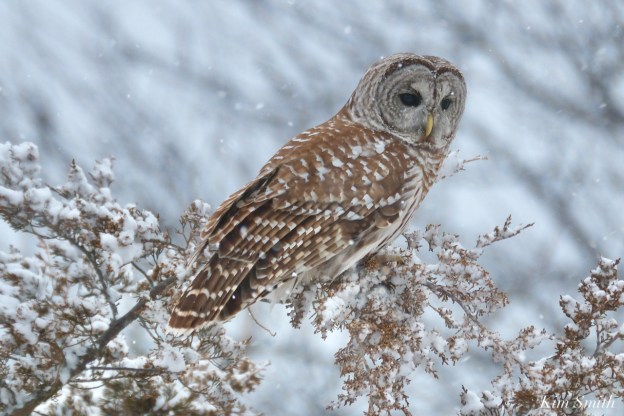
We had a beautiful snowfall this past weekend. Snow storms and snowfalls have become so few and far between over the past few years in our area that I hopped in my car before sunrise and headed north to film what I could, hopefully before the snow stopped. There was hardly a soul about. A wonderful variety of songbirds was foraging in the falling snow and also a very hungry Barred Owl was zooming from tree to tree surrounding an adjacent field. I pulled myself away before she caught her prey because I didn’t want to have any part in preventing her from capturing her breakfast. Fortuitously, the very next day, a friend shared a post on how to tell the difference between a male and female Barred Owl. You can read the post here. I concluded the BO flying to and from her tree perches was a female. It was magical watching her in the falling snow. Link to video of her flying –https://vimeo.com/1047197766 or you can watch it on Facebook or Instagram.
The deadline is fast approaching for underwriting opportunities for our documentary, The Piping Plovers of Moonlight Bay. We need to have all the names of underwriters in by January 20th to fulfill our contract with American Public Television. If you would like to join our underwriting pod with a contribution to our film and have your name or your organization’s name included in our underwriting credit pod please email me asap. An example of an underwriting pod – This film was brought to you by the Apple Tree Foundation, The Shorebird Conservation Fund, Lark and Phoenix Bird, …, and viewers like you (these are just sample names). Please note that every time the film airs and streams on PBS over the next three years, possibly six years, the name of your organization will be acknowledged. Of course, we gratefully accept all contributions to our documentary at any time, but if you would like to be recognized in this way, please let me know.
Common Grackle Eating Plover eggs
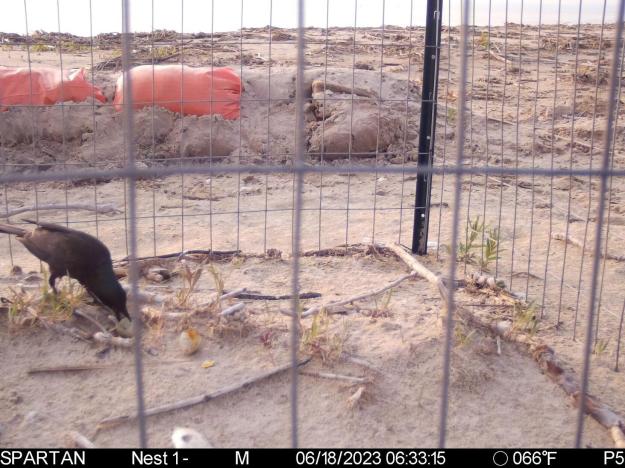
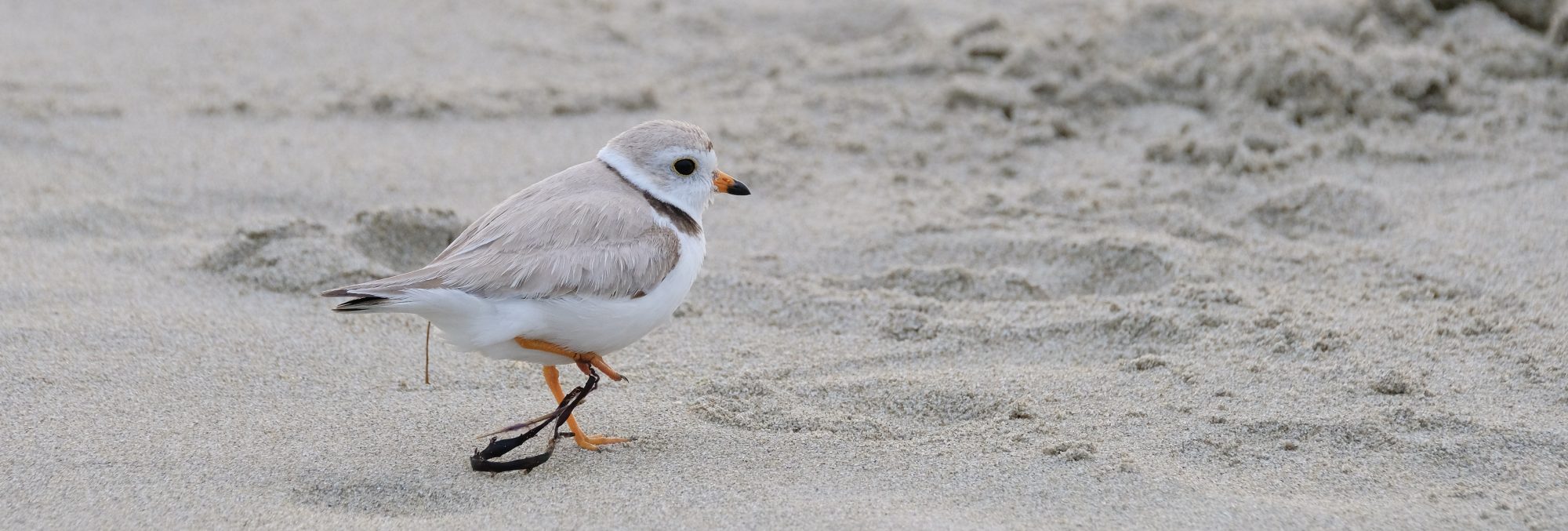
I can’t believe that in only two short months Plovers and shorebirds will be returning to our beaches. Please contact me if you would like to join our Plover Ambassador team. Research from scientists in the Michigan Great Lakes region made Plover news this past week. Common Grackles were documented foraging on Piping Plover eggs. This is very noteworthy but not too surprising to our Cape Ann Plover Ambassadors as we have seen our Plovers defending their nests from Grackles. There is a very large roost of Common Grackles on Nautilus Road, opposite Good Harbor Beach. The Plovers distract the Grackles with their broken wing display and tag-team attack behavior. We wondered, were the Grackles posing a real threat or did the Plovers behave this way because Common Crows and Grackles look somewhat similar? Crows notoriously eat Plover eggs at every stage of development, from newly laid to near hatch date. We now know definitively the answer as to why our Good Harbor Beach Plovers are on high alert around Grackles!
Stay safe and warm and cozy,
xxKim


 The Piping Plover Project