
Dear Piping Plover Friends,
I hope you had an enjoyable extended Fourth of July weekend! Like many of us, I feel we who live on Cape Ann are so very blessed, not only for our fantastic community sharing in celebrations like St. Peter’s Fiesta and Independence Day, but also for the natural beauty that surrounds us, which in turn attracts a bevy of beautiful wild creatures to our shores and wild spaces.
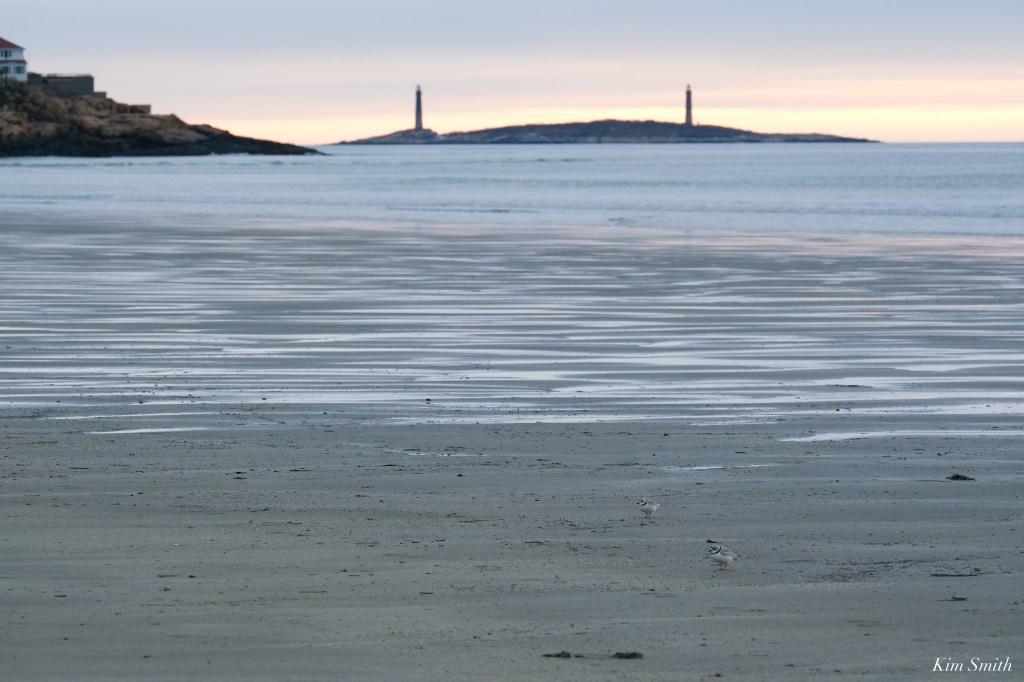
Super Mom and Dad arrived from their wintering grounds in early spring
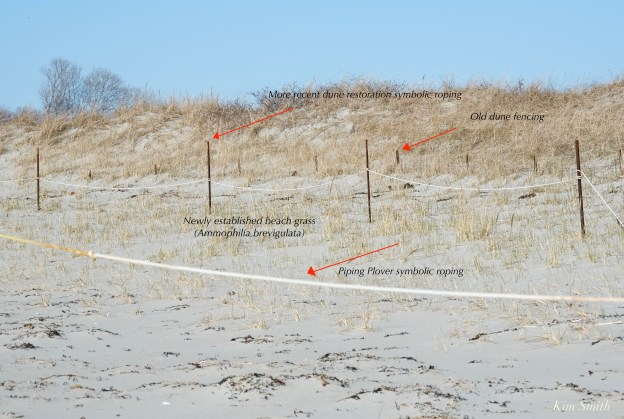
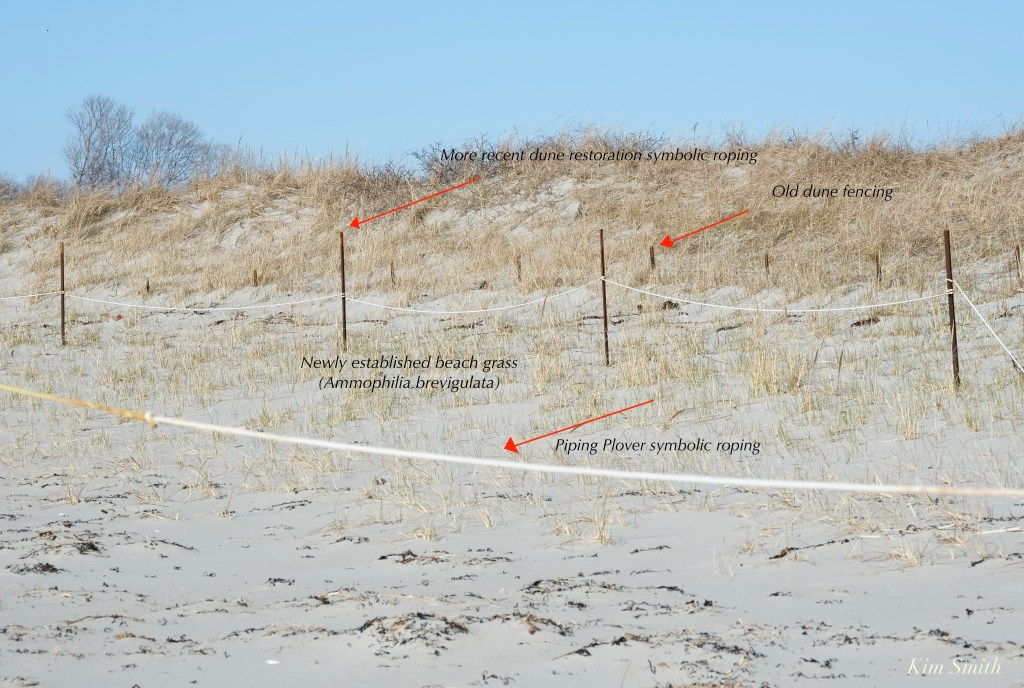
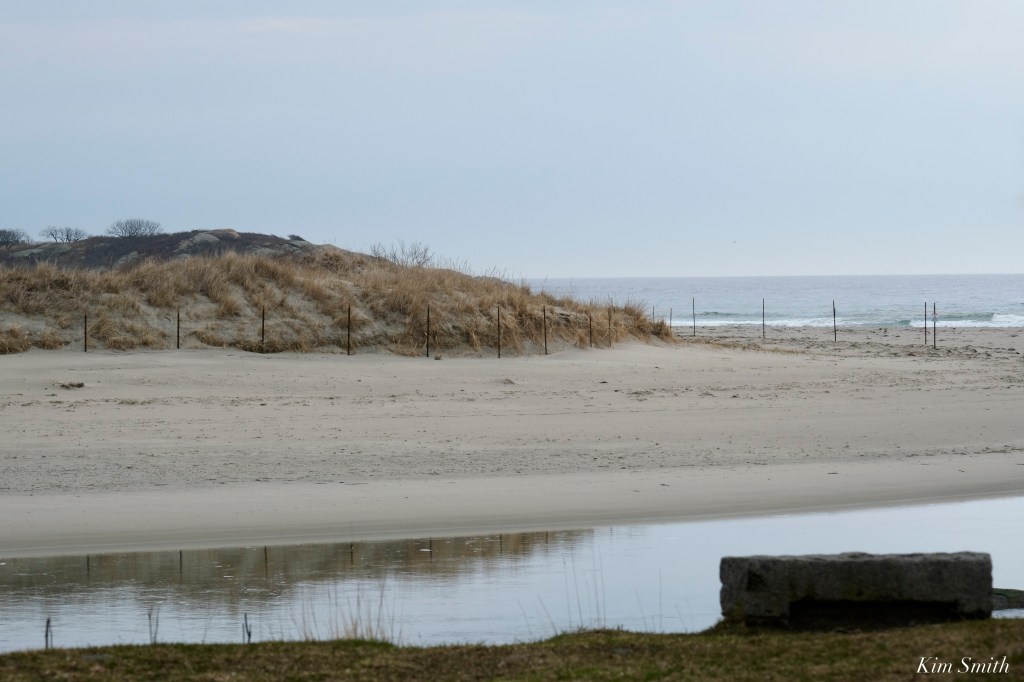
Nine years ago a pair of Piping Plovers began calling Good Harbor Beach home. There is so much good that this intrepid little duo has brought to our community. People have come together to help protect the birds and the community has become more educated about nesting shorebirds. Equally as exciting is the growing awareness of the connection between conserving habitats and wildlife. For decades our dunes have been ravished by storms and a lack of basic protections. Because a narrow corridor that runs the length of the beach was roped off for Plovers, it has largely kept people from recreating close to the dune’s edge. Creating this corridor has allowed beach vegetation to take hold. The areas of the beach that have been consistently roped off for the past eight years are clearly the healthiest.
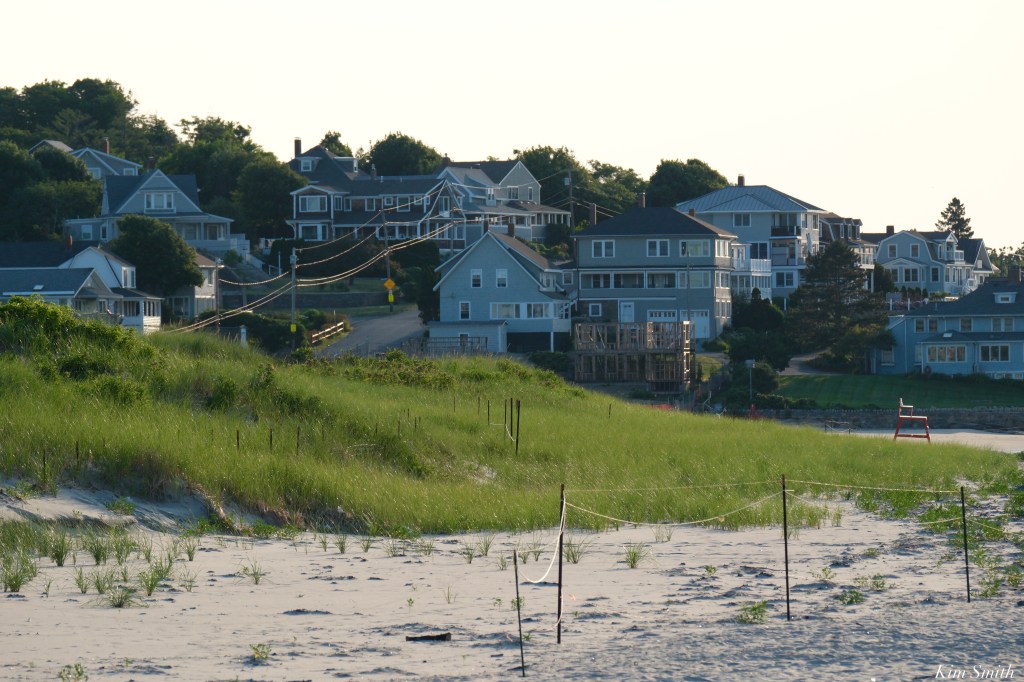
A vital new habitat has developed in the area of the dunes that has been roped off consistently for eight years.
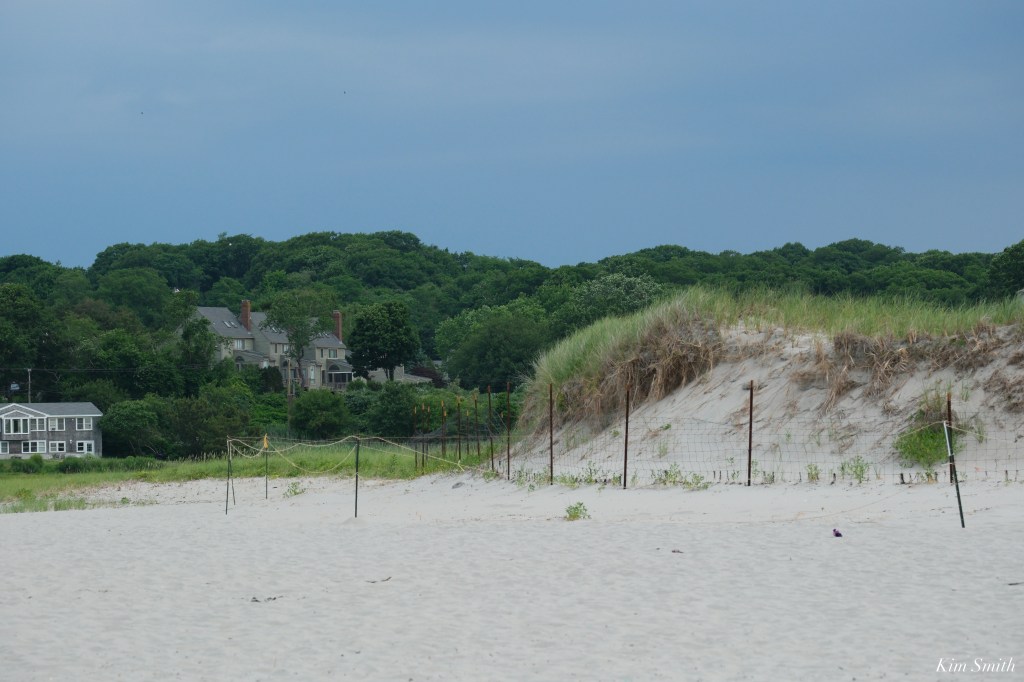
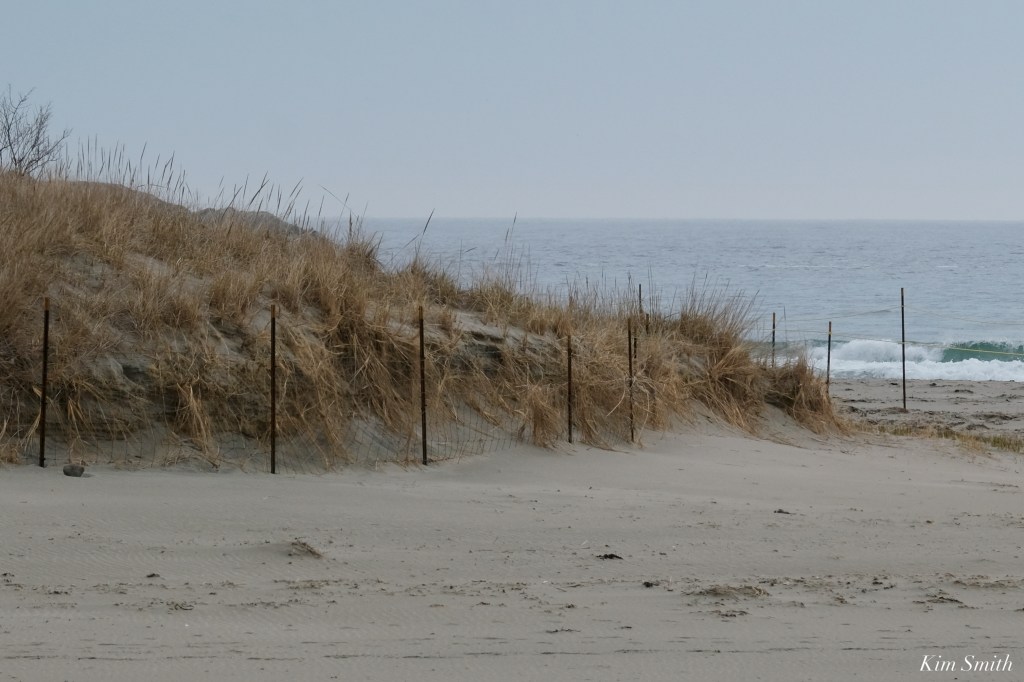
The above area has only this year begun to be roped off. Notice how ravaged is the edge of the dune. That is what the edge of the dunes looked like along the length of the entire beach prior to creating protective corridors. You can see that one of the first plants to begin to take hold is Sea Rocket. The same exact sequence of revegetation happened in the area depicted in the first photo – Sea Rocket, followed by beach grass.
It is one of our greatest hopes that the City will continue to leave the roping in place year round. There is a tiny, and fortunately, diminishing, minority of sour anti-Plover/anti-conservation types however, no matter how one feels about making space for Plovers, it is undeniable that by creating protective corridors, the dunes have never looked as lush and as healthy as they do today. I urge you to go and see for yourself!
Additionally, roping off the areas for the Plovers has had zero economic impact on beach attendance. As a matter of fact, since the Blinkay system was implemented, beach revenue has gone up in the past few years.
We have a wonderfully dedicated crew of Ambassadors hourly monitoring the Plovers and educating beachgoers about the presence of Plovers. I’d like to give a heartfelt thanks to Deborah Brown, Jennie Meyer, Jill Ortiz, Paula and Alexa Niziak, Barbara Boudreau, and our newest Ambassadors, Kim Bouris and Sandy Barry. If you see them around town, please thank them for their hours and hours of dedication to our teeniest neighbors.
Last year, the City hired Mass Audubon to oversee Plover monitoring. The Audubon team is phenomenal -so well-educated, enthusiastic, conscientious, and kind. I can’t say enough good things about Lyra Brennan, Malarie Markowitz, and the entire Audubon crew! The Gloucester DPW has been a tremendous partner as well. The DPW did an outstanding job installing the roped off corridor last spring, not once, but twice, as the first installation was destroyed by a late season storm. We are so fortunate to all be working together for Plover protections, from sunup to sunrise!
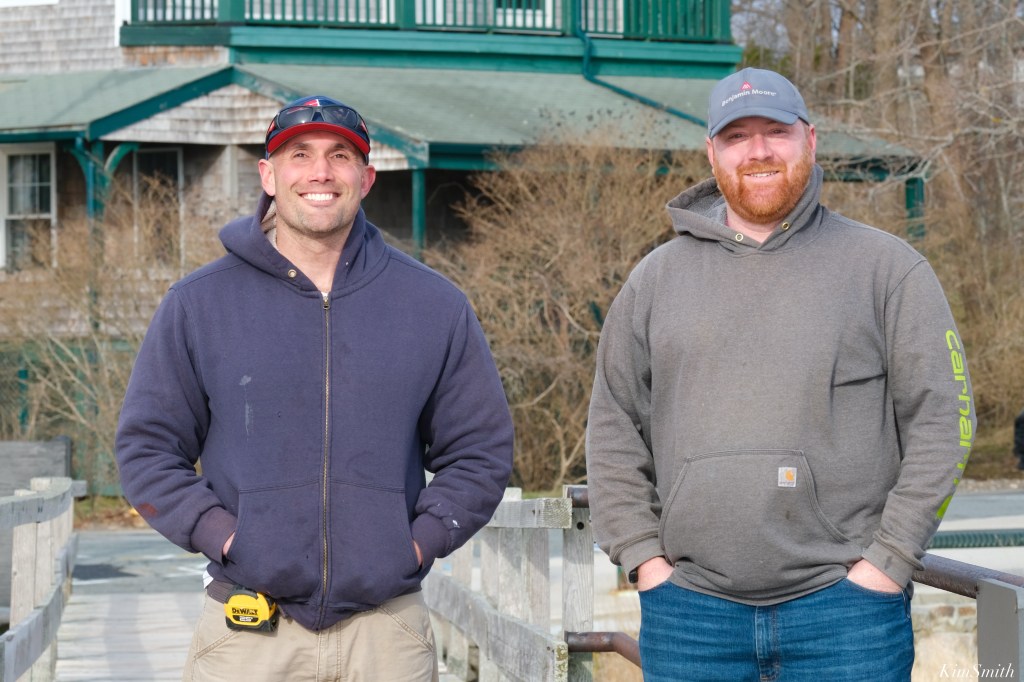
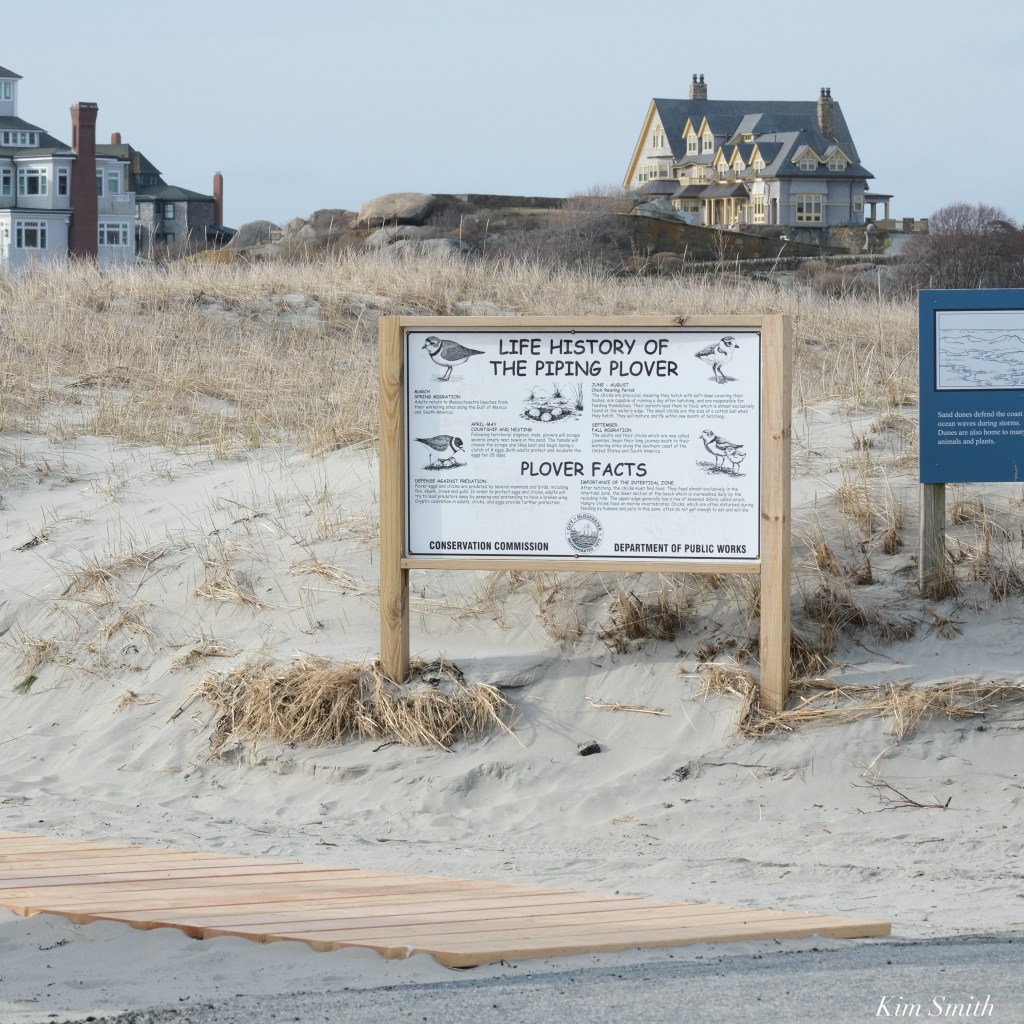
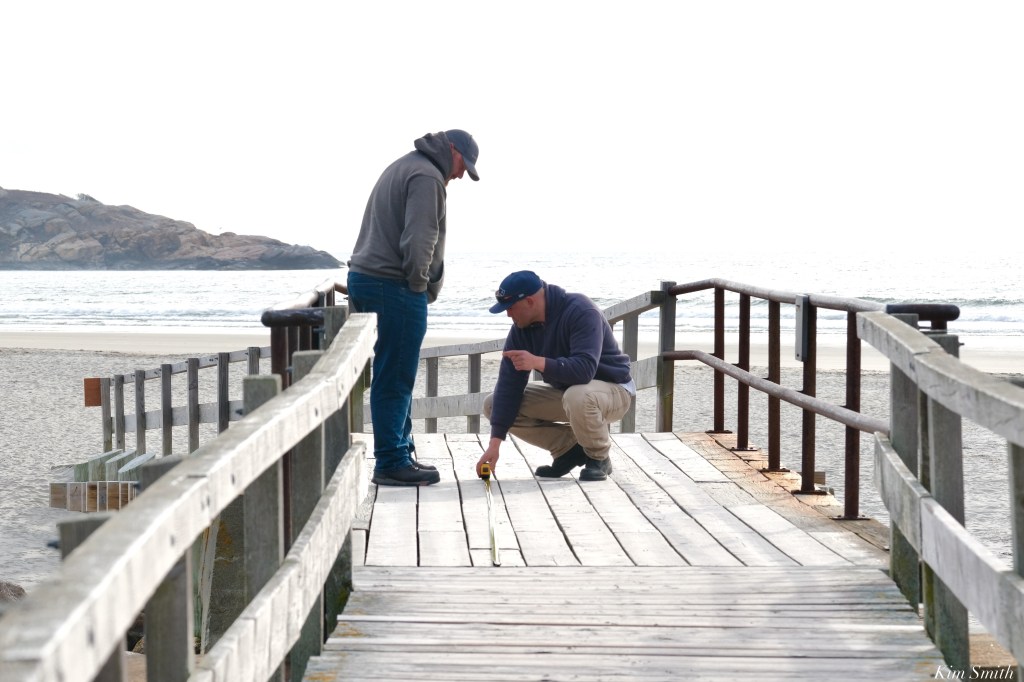
Gloucester’s DW Crew Mike Tarantino and Tyler Curtis
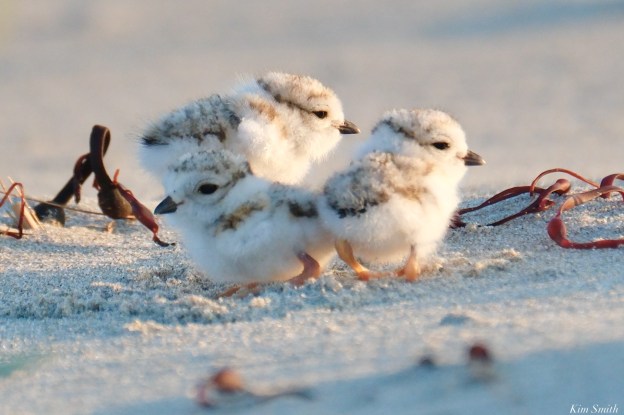
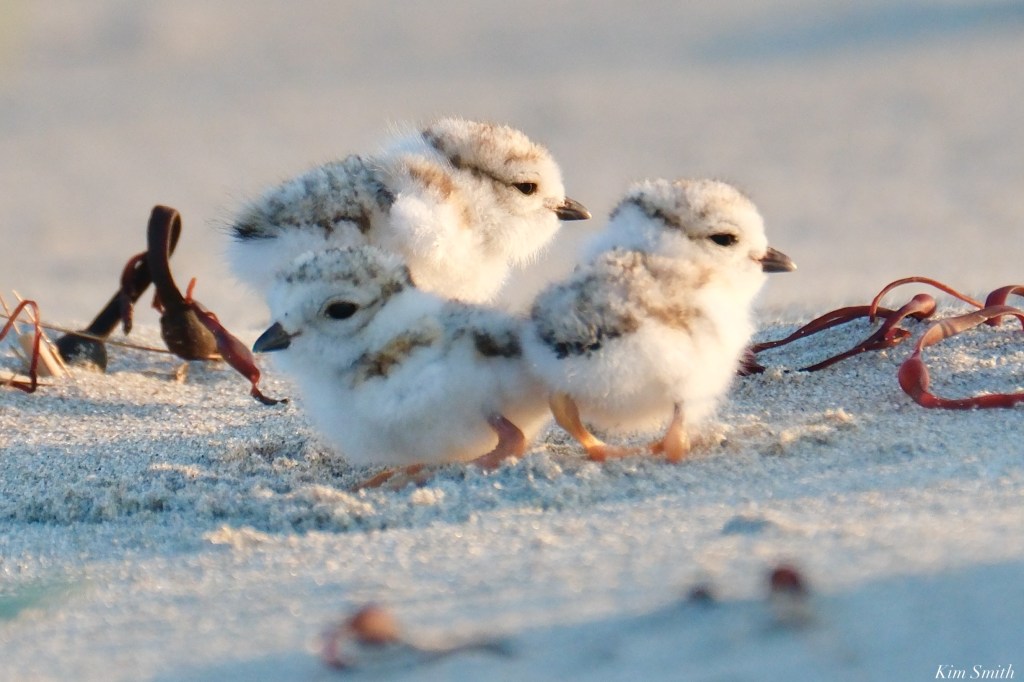
Not all monitoring of Plovers is successful (I’ll write more about that in a future post); we did want to share though the joyful news that our Super Mom and Super Dad have fledged two healthy chubby little chicks. We are so proud of Mom and Dad. No matter what curveballs life throws their way, the pair continue to be phenomenal parents!

From a nest of four eggs, one chick did not survive the very first night. A second chick was lost about a week later. The two remaining chicks thrived and grew to fly. We have lots of wonderful stories to share about their adventures 🙂
The maiden voyage of the Plovers is the most dangerous. We wish our tiny tender fledglings safe travels.
I’ll be posting more about Plovers in the coming weeks. Our Plover documentary is progressing beautifully (updates about that soon,) and I am dropping off new Plover tees and stickers this week at Alexandra’s Bread.
Warmest wishes,
Kim
 The Piping Plover Project