Dear PiPl Friends,
At last, spring-like temperatures! It won’t be long before the crocus are peeking through (and for some friends, you may already have seen signs of life in your gardens). I think we could all use a breath of fresh air.
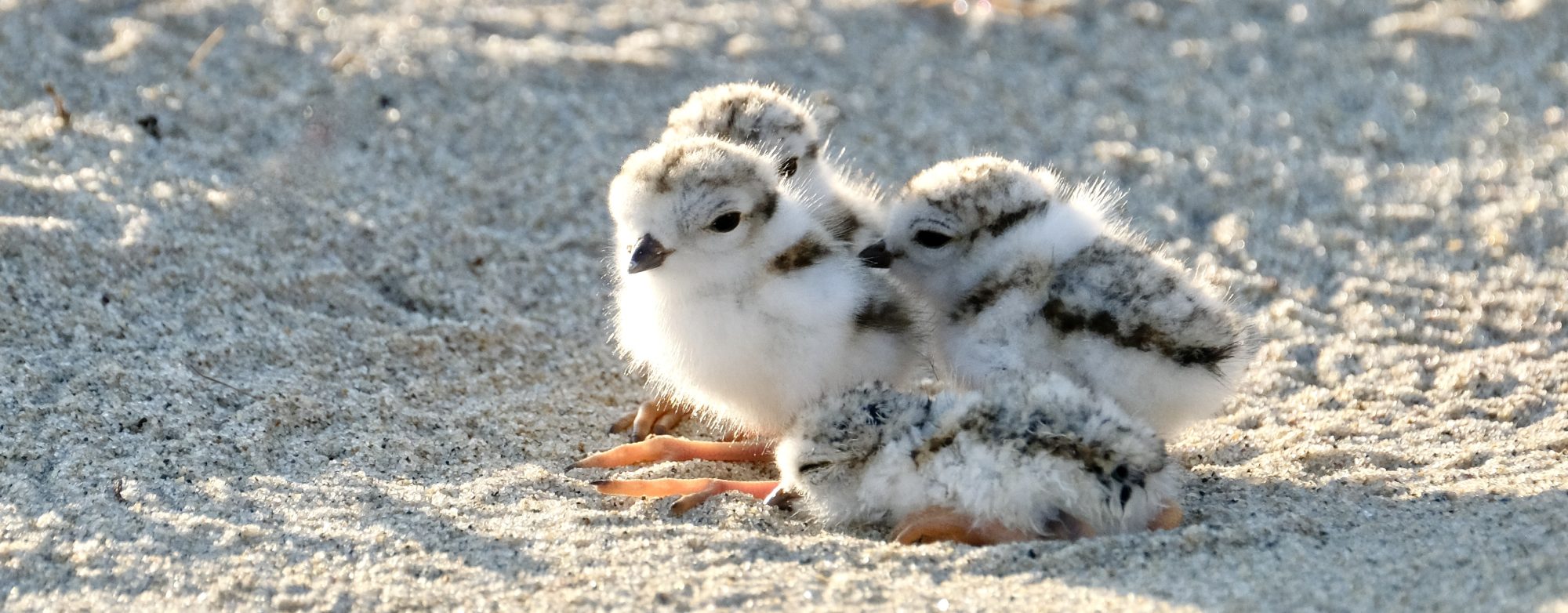
Lots to share – we are extremely occupied getting the files ready for our American Public Television debut, which takes place on April 1st, to coincide with PBS Earth Day month-long programming. I am overjoyed to write that The Piping Plovers of Moonlight Bay will be airing on over 289 stations, representing 85.5 percent of the US TVviewing audience, including 9 of the top 10 stations, and 21 of the top 25 markets (the major urban areas). And we were accepted to the Santa Monica Film Festival! Which is also a lovely segue to sharing about my recent trip to Los Angeles to visit our daughter. I arrived at her home with the flu, left with a virus, as did she have an entirely different virus, nonetheless, it did not stop us from adventuring all along the Central Coast. My daughter had planned a wonderful itinerary for our visit (she travels around the world through her work and could be a travel guide if she wanted!) and she took me to all her favorite wildlife hotspots, which are also some of the most staggeringly beautiful places along the Pacific Coast.
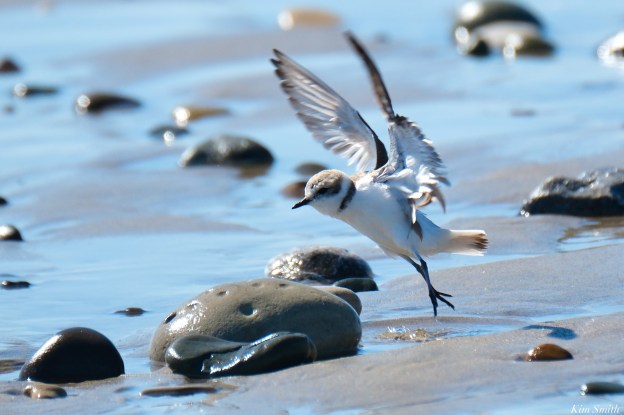
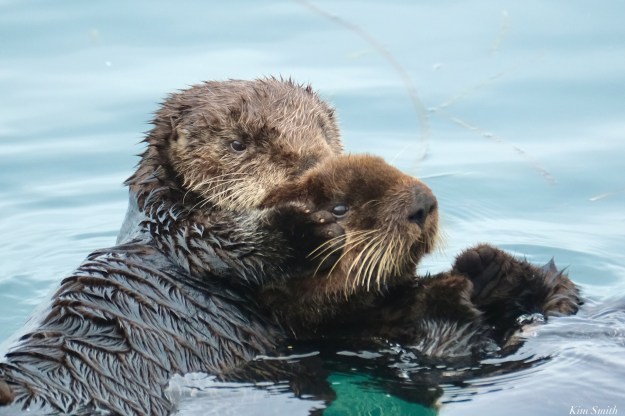
From Malibu to Ragged Point, we filmed and photographed many species of wildlife that are considered conservation success stories, along with species continuing to struggle against habitat loss and a warming climate. Some highlights of which I will be sharing their stories include Snowy Plovers, Sea Lions, Elephant Seals, and Sea Otter Moms and pups (THE most adorable). We saw many splendid bird species, some that we see on the East Coast, and many only found on the West. It was so interesting to compare Snowy Plovers to Piping Plovers, her garden’s Allen’s Hummingbirds to our Ruby-throated Hummingbirds, Black Oystercatchers to American Oystercatchers, and Black Phoebes to Eastern Phoebes, to mention just a few. We visited bays and estuaries and along the way found heron rookeries, a Surf Scoter up close and actually in the surf (not far off as they are typically seen here in the East) and even met Malibu Lagoon’s resident Osprey.
Sadly, the Monarch Reserve at Pismo Beach was abysmal. The winter of 2024-2025 has been the second lowest count on record of the Pacific Monarchs however, I was very disappointed to see that there were absolutely no nectar plants blooming at the Reserve for the few Monarchs that were there. The butterflies were flying around, clearly looking for nectar. We did see about a dozen Monarchs further north at the Ragged Point Inn and Resort, but then again, the proprietors had taken the time and forethought to plant many nectar-rich flowering plants that were inviting to both the Monarchs and to the hummingbirds.
A reminder that our film screening and Q and A fundraiser is the afternoon of March 23rd at 4pm at Sarah Slifer Swift’s lovely MAGMA dance studio. As soon as I finish organizing the files to send to APT, I’ll send an evite postcard with information on how to purchase tickets. Thank you to all who are planning to come. I think it is going to be a wonderfully fun afternoon and I am looking forward to seeing everyone and talking about all things Plover!
Happy Spring ❤
xxKim


 The Piping Plover Project