Category Archives: Rockport

Beaches Ravaged by Late May Nor’easter

Dear PiPl Friends,

First the bad news – our Super Mom and Dad’s nest was washed away during Thursday’s nor’easter. We are very sad about this especially as chick hatching was imminent.

Our Original Pair have never before lost a nest because of a storm however, several years ago, a pair at GHB did lose their nest due to wash out as it was in a very unsafe place, smack dab in the middle of the beach. That pair successfully renested.

We are much more fortunate than some beaches. Our Plover ambassador friends at Hull lost a total of 25 nests and the high tides have destroyed miles of their symbolic shorebird protections.
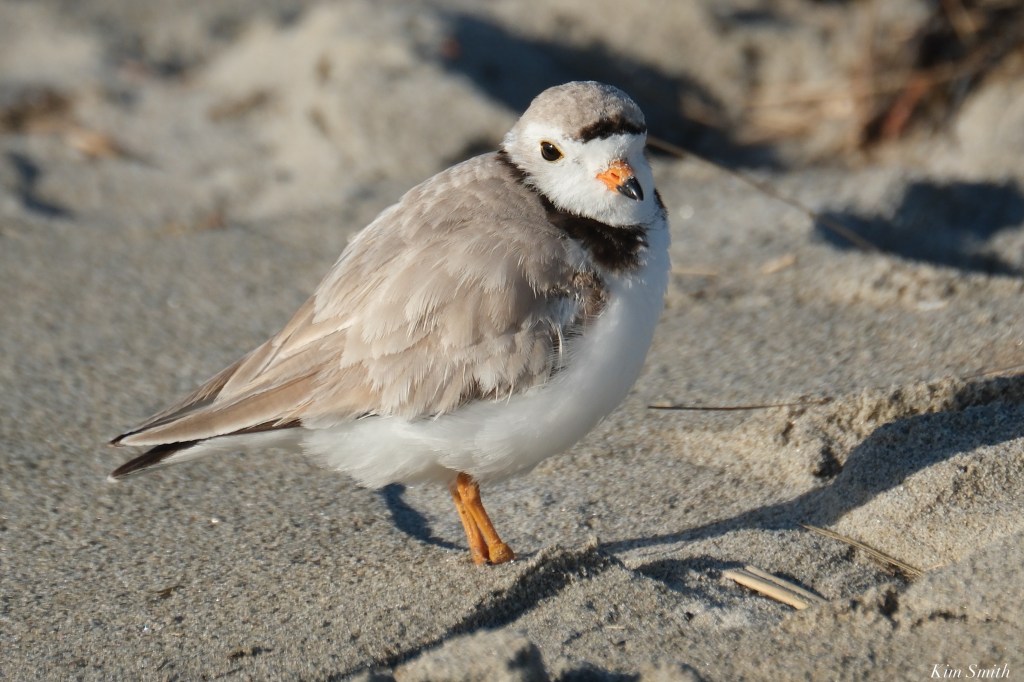
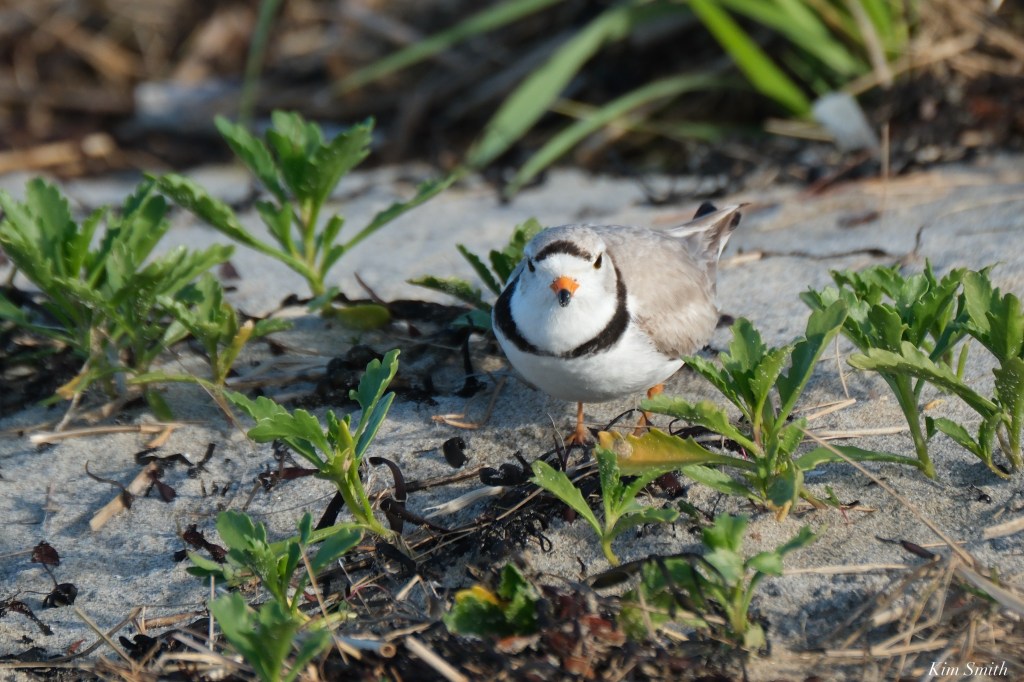
Super Mom and Dad after the nor’easter
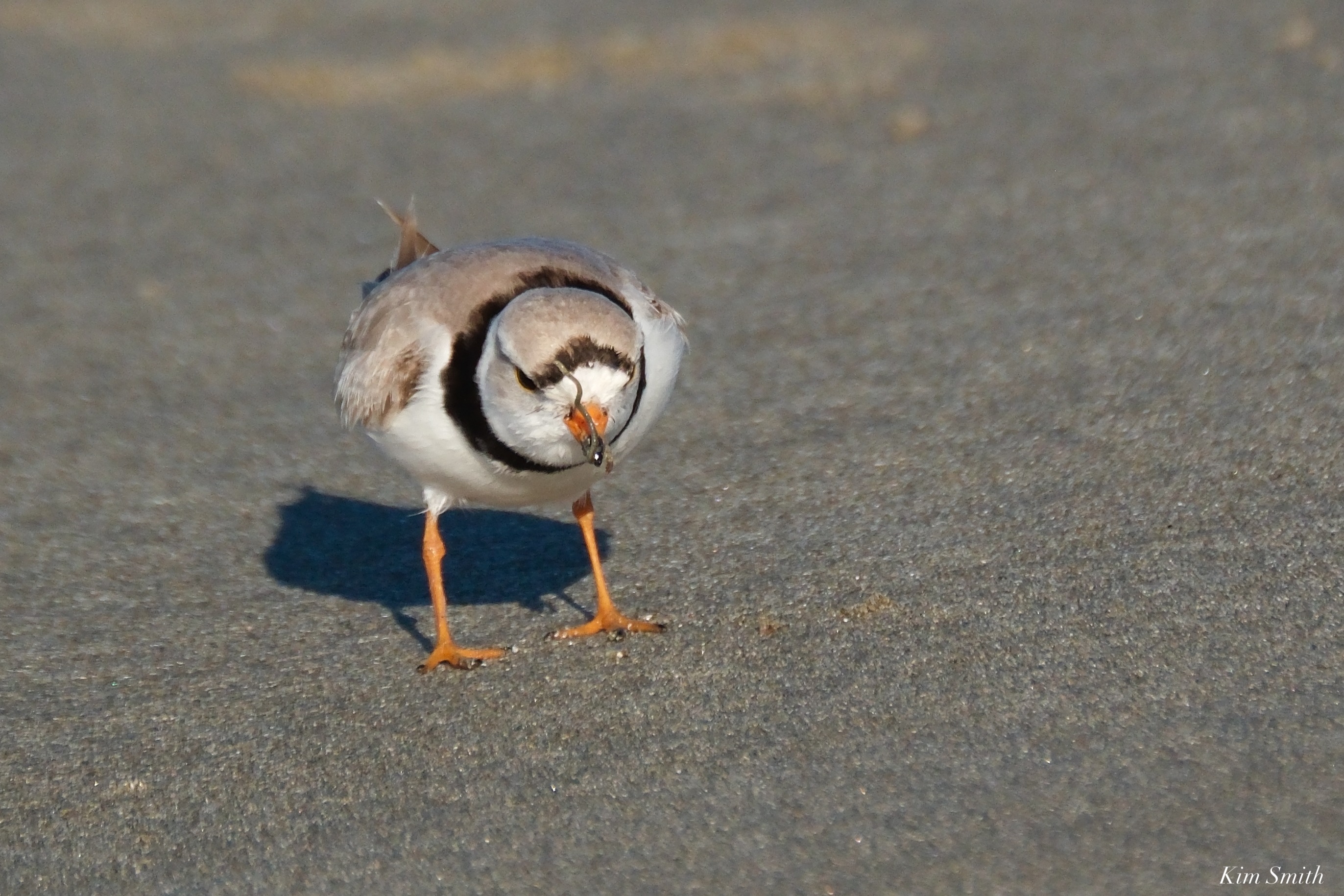
Fierce Dad catching breakfast after the storm

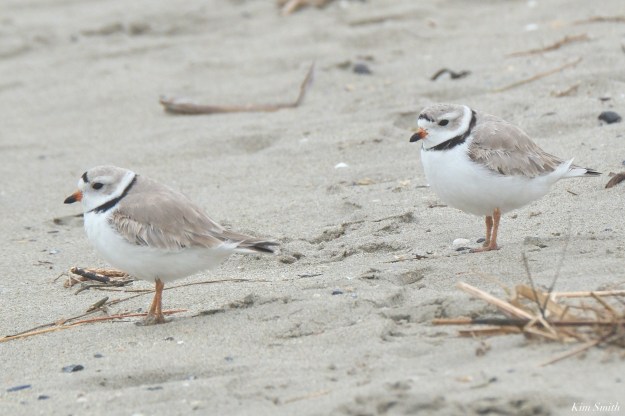
Now for the good news – Piping Plovers often renest, especially when this early in the season. One pair was documented renesting a total of seven times in one season.   And it appears as though Super Mom and Dad are preparing to do just that. After a day of looking lost and forlorn, Dad is making scrapes in the sand and calling to Mom. Producing a new batch of eggs is very taxing for the female and our Super Mom is already very vulnerable due to her loss of one foot. A gentle reminder that when you see Plovers on the beach, please give them lots of space to forage, and hopefully, make new eggs.

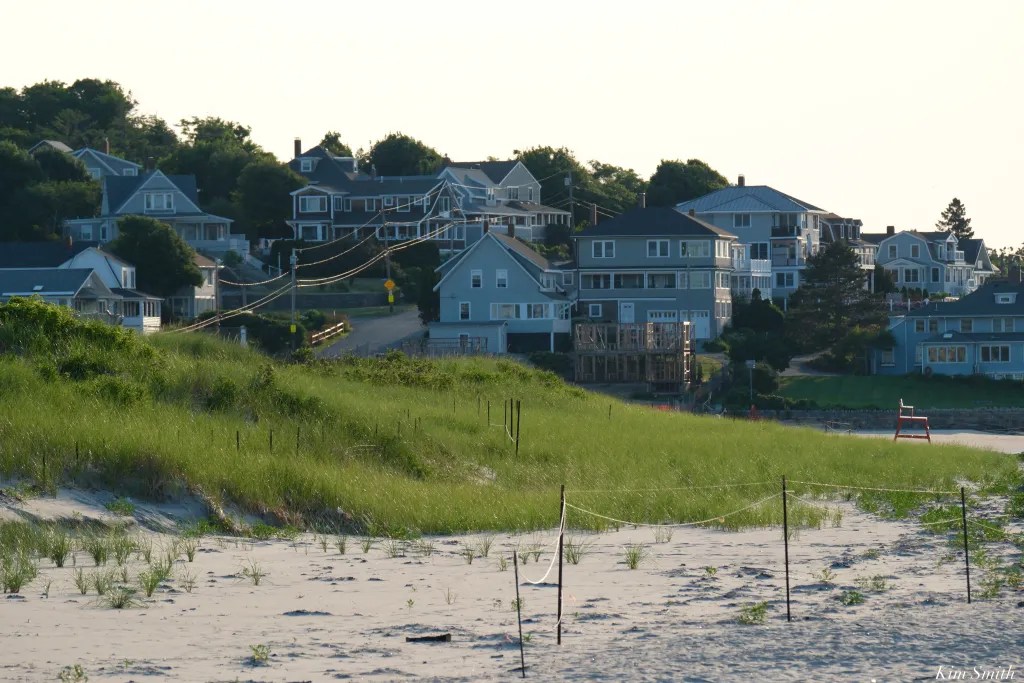
Despite the extremely high storm tide going all the way to the base of the dunes, Good Harbor Beach survived the storm fairly well and looks better after this nor’easter than any nor’easter that I can recall. Why you may wonder? As a direct result of the symbolically roped off areas in place for the Plovers, beachgoers and pets are restricted from recreating  right up to the base of the dunes. This has allowed native vegetation to take hold, and in some areas, to thrive. This vegetation, such as beach grass and Sea Rocket, holds the sand in place and is our very best defense against rising sea level and the ravaging effects of the highest of tides and gale force winds.

The photos tell the story best
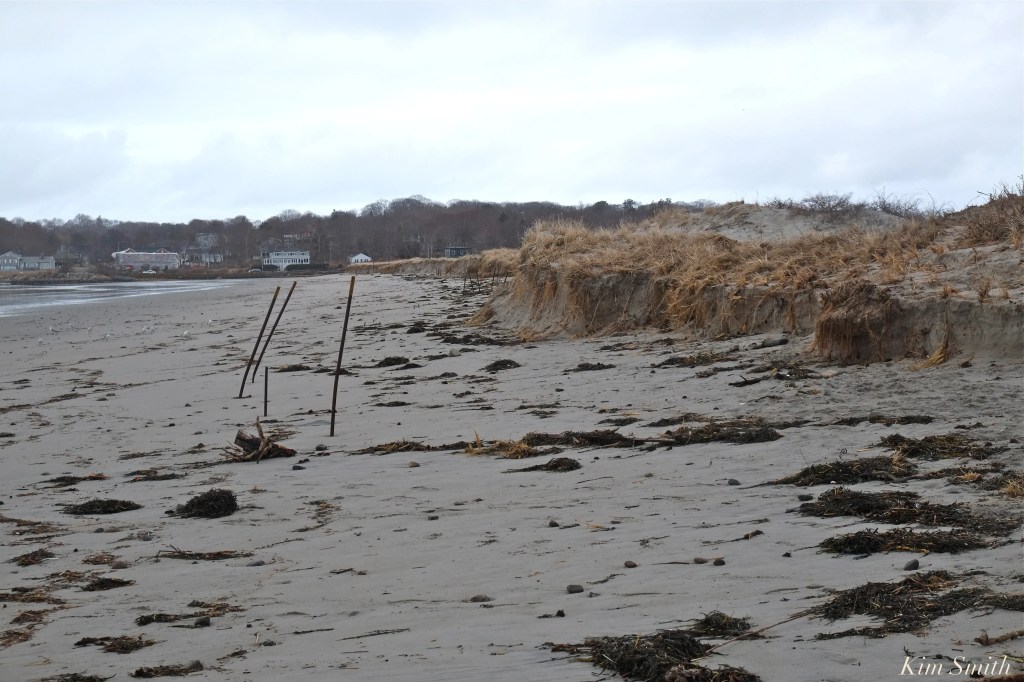
Compare the photos from storm damage in 2018 and how the dunes looks in 2024. Note how far back is the dune, the sheer drop off, and complete lack of vegetation. I recall a time when people were so very worried about how much beach we were losing each year to severe storm damage. That is no longer the case!
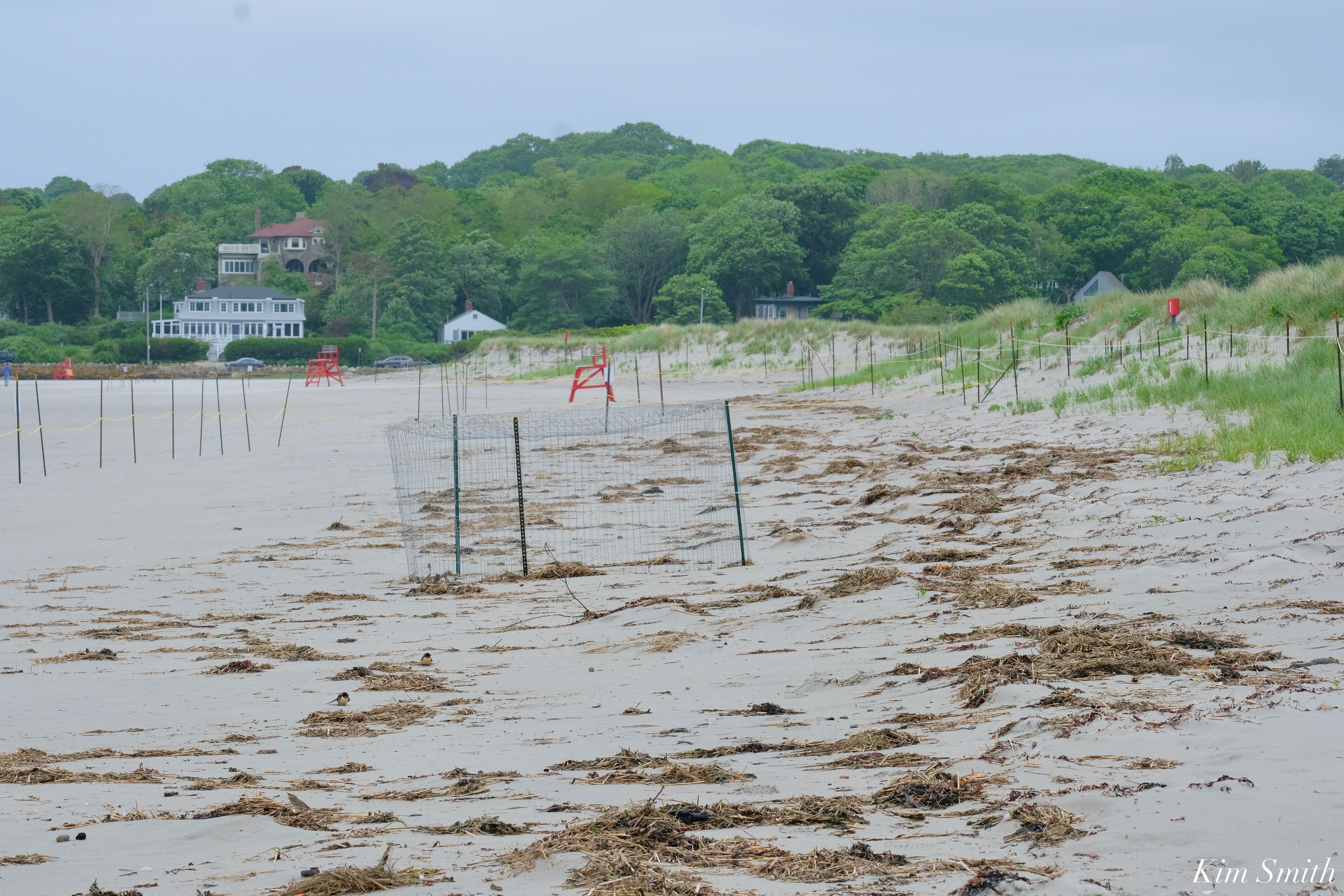
Click on the above photos from 2018 to enlarge and get a sense of how much the beach has filled in and how much healthier are the dunes.

Good Harbor Beach 2021, 2024, and 2025 – vegetation gradually taking hold and the sand is filling in.
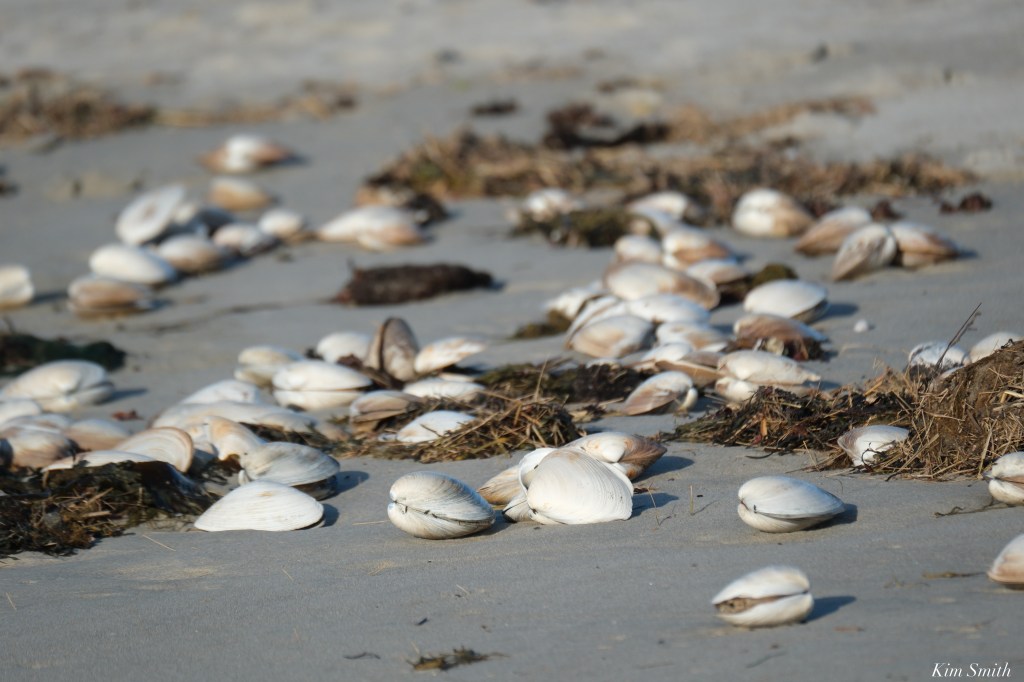
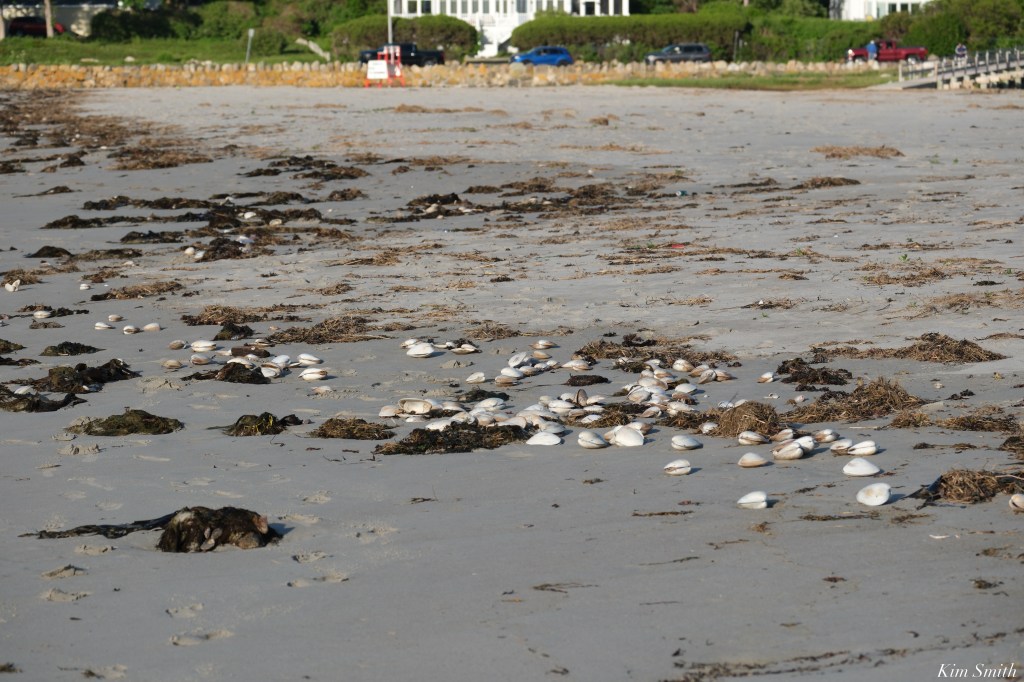
A plethora of Atlantic Surf Clams tossed ashore by the sea

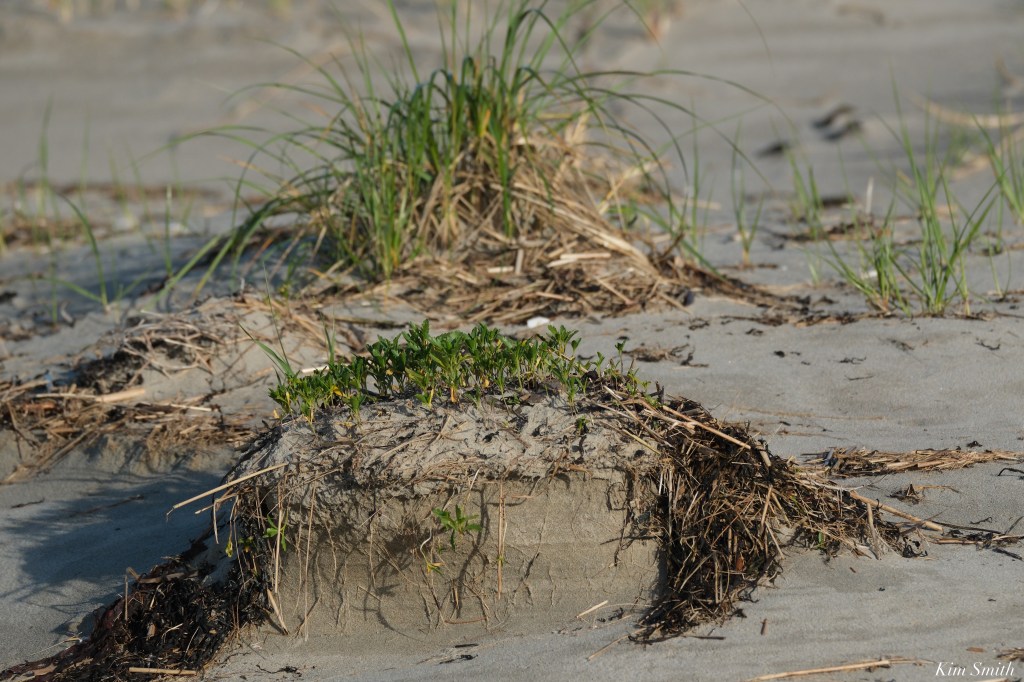
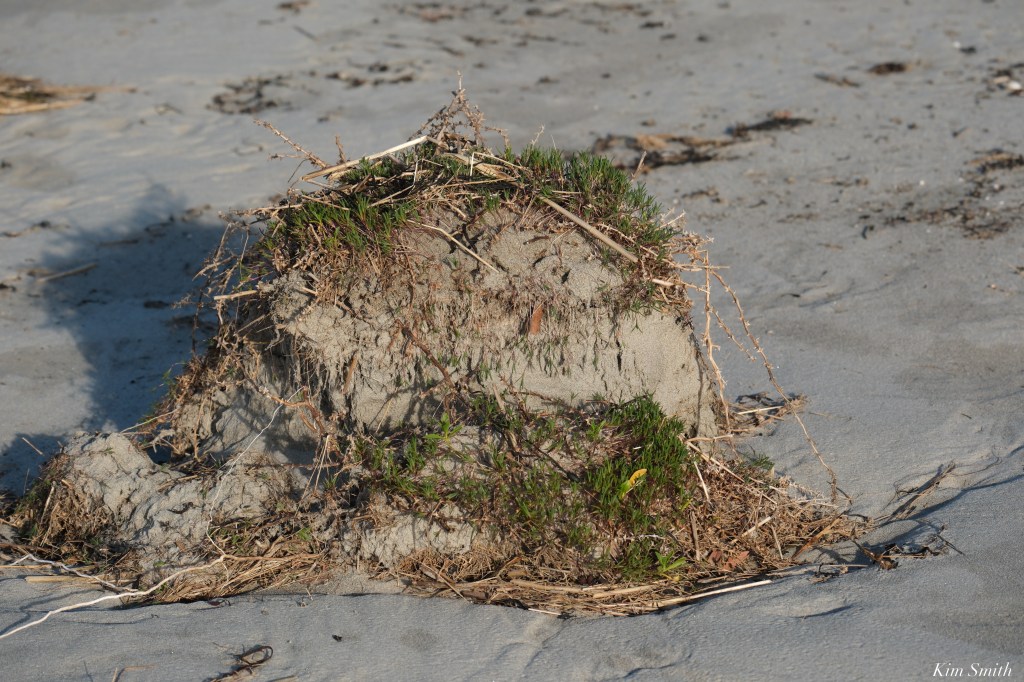
What are these peculiar mounds dotting the beach after the nor’easter? The photos are included to show how much the sand shifted during the storm and how vegetation helps keep sand in place
Soooo much seaweed at Brace Cove! The insects attracted to the drying seaweed is fantastic for wildlife, but get ready for super smelliness!

Happy Memorial Day Weekend,

xxKim

Plover Love Story for the Ages #ploverjoyed

Dear Friends,

We have wonderful news to share. Our Good Harbor Beach Piping Plovers are returning! Not only that, but the original pair that have been nesting at GHB since 2016 were the first to arrive. Both Mom and Dad appeared on the very same day, March 19th, the earliest date ever.  At this time of year, my husband and I check the beach daily so that we can track from year to year when Plovers begin arriving. Last year I believe it was March 25th.

Super Dad and Handicapped Mom, March 19, 2025

A Plover love story for the ages is how my friend Todd describes it when Plover pairs nest together for many years. These two sweet Plovers must be at a minimum of 11 years old because Plovers don’t begin breeding until they are at least one year old. Eleven years is quite a ripe old age for Plovers as most live on average only five years. We wait with a combination of fear and excitement each spring, hoping and praying our Plover family makes it through another winter, especially now that Mom’s right foot is missing. She lost her foot several years ago after nylon fishing line and seaweed became tightly wound around her lower leg.

When you think about it, we have been through so much with this little Mom and Dad. The first several years especially were extremely challenging. Beachgoers did not yet understand how to help protect the birds and pets had the run of the beach. In fact, conditions were so bad on the beach that in 2018 Mom and Dad decided β€˜enough with dog disturbances,’ and the safest place to nest was the GHB parking lot. Because of this, Massachusetts State and US Federal wildlife officials became heavily involved with helping to protect Gloucester Plovers and the local government began to take Plover protections more seriously. Little by little, things began to change for the better.

I remember our tender little handicapped Plover, nicknamed HipHop for his gimpy walk. It was Mom’s first season breeding without her right foot and she was extremely clumsy when transitioning to get in and out of the nest and when she was snuggling the chicks. I think she must have injured HipHop somehow because his injury manifested itself when he was about ten days old. Mother and chick were quite the pair with their hip hopping gaits. We thought HipHop would never grow to the size of his siblings and wondered if he would ever be able to fly. Mom departed early as is not unusual for females to begin migrating before their mates. Our Super Dad stayed with HipHop for many weeks after and throughout the entire summer. Both departed around the beginning of September, but not until HipHop was flying just as well as his siblings.

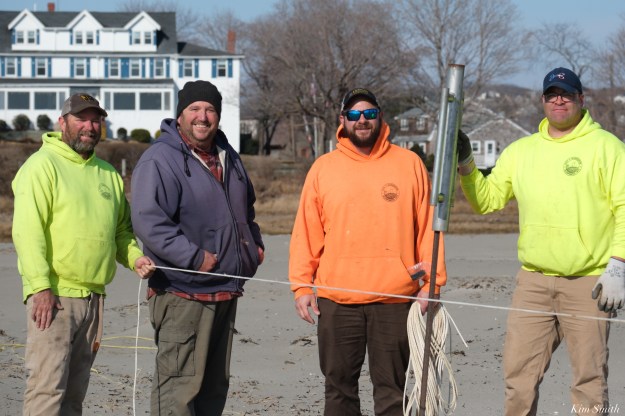
Dean Horne, Brian Watson, John Trupiano, and Adam Kelley installing Piping Plover protections

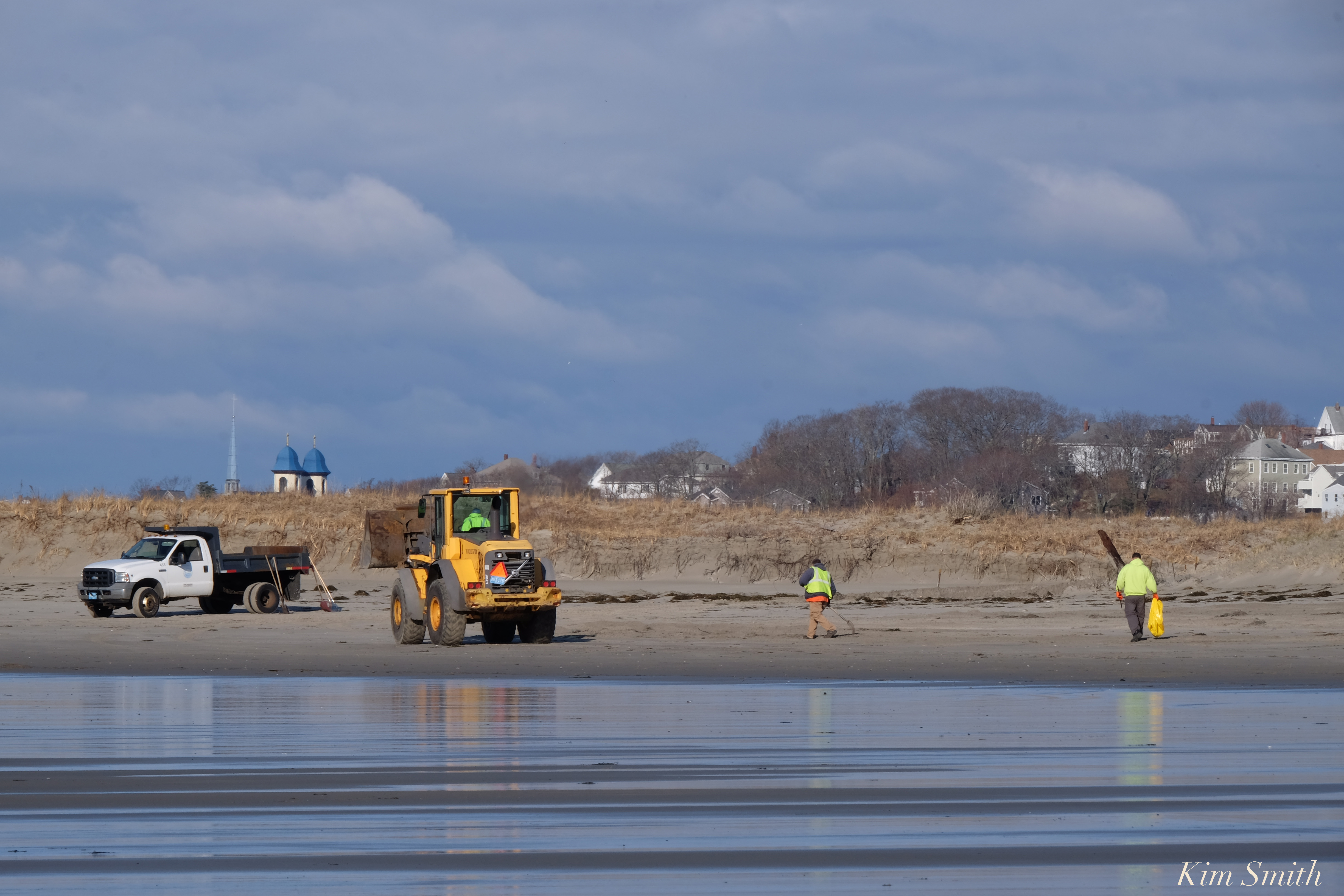
Thank you to the Gloucester DPW crew for installing the symbolic ropes and Plover signs. We appreciate everything the DPW does to keep Plovers safe and our local beaches looking beautiful!

If you happen to see Plovers on the beach, please give them lots and lots of space. Know that they are weary from the long migration and need to rest and refuel before β€˜setting up house.’

Piping Plovers are returning to beaches all along the Atlantic Coast. The addendum to this note is for several new Plover friends from beaches in Maine and New Jersey who have written to ask how they can better help their community’s Plover families successfully fledge chicks.

Happy Spring from Ploverville!

Warmest wishes,

Kim

Actions that communities and beachgoers can take early in the season to help Plovers successfully breed include the following. I can not stress β€˜early in the season’ enough. The earlier the Plovers nest without disturbances, the earlier they will begin laying eggs, and the earlier the chicks will fledge and begin migrating.

1) Disallow all pets on the beach, ideally beginning March 15th, April 1st at the latest.

2) Install symbolic roping around known Plover nesting areas by March 15th.

3) Install informational signage on beaches where Plovers nest by March 15th.

4) Do not permit off-road vehicles on beaches where shorebirds are nesting.

5) Do not rake the beach. Beach raking destroys a vital food source and machines can scoop up and kill chicks that can’t yet fly out of the way of danger.

6) Respect symbolically roped off areas. Do not play ball close to the roping. It is against state and federal law to run into the nesting area to retrieve a ball or for any other reason. Do not allow pets to run through the roped off areas and do not cross the roped off areas to take shortcuts through the dunes.

Thank You Plover Friends!

Thank you to all who attended our documentary screening of The Piping Plovers of Moonlight Bay on Sunday afternoon. We had a terrific group of attendees, both very generous and wonderfully engaged in the Qand A following the screening. I loved discussing Plovers and filmmaking with our guests and appreciate so much everyone who took the time out of their busy schedules to come and support the film.

Many, many thanks to Sarah, MAGMA’s founder and director, for hosting the event. In addition to offering a range of youth and adult dance classes, MAGMA provides an exceptional space for the community. Sarah hosts a range of events including films, dance performances, and local musicians, from punk bands, to string quartets! See MAGMA’s upcoming events here.

A very special shout out to Piping Plover Ambassadors Jonathan and Sally for their continued support and kind generosity. They provided all the beverages, Jonathan made an excellent bartender, and they both made everyone feel very welcome.

Piping Plover Film Screening and Fundraiser!

Dear PiPl Friends,

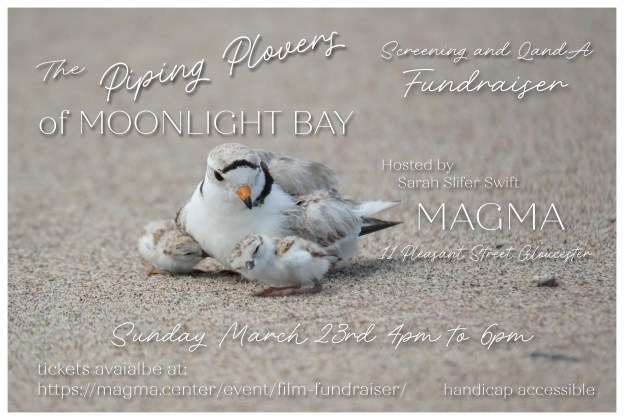
Please join us Sunday afternoon, March 23rd, at 4pm, for a film screening and fundraiser for The Piping Plovers of Moonlight Bay. MAGMA Director Sarah Slifer Swift has very generously donated her lovely and spacious dance/event studio for our screening. A QandA with me will follow.  We’ll talk about the film, community outreach plans for the upcoming Plover season, conservation status, and any other relevant topics you would like to discuss.

We’ll have refreshments, too. MAGMA is located at 11 Pleasant Street, Suite 64, in Gloucester, with elevator handicap accessibility.

To purchase tickets, please go here: https://magma.center/event/film-fundraiser/

I hope to see you there!

Warmest wishes,

Kim

See one of our latest 30 second promos –

PLover and Monarch News, Full Wolf Moon, and Barred Owl in the Snow

Dear PiPl Friends,

I hope you are doing well. We are keeping our family and friends in our hearts as they struggle to return to a normal way of life after the tragic LA firestorms. I hope the winds die down soon so recovery can begin in earnest. Our daughter shares that she and her boyfriend are bringing supplies to firehouse donation centers and she is keeping her hummingbird feeders well-filled as there are more birds than ever in her garden.

Thursday night I am giving a screening and Q and A of our Monarch film, Beauty on the Wing: Life Story of the Monarch Butterfly for the Carlisle Conservation Foundation at the Gleason Public Library. We have super good news to share regarding the Monarch film – the contract has been renewed with American Public Television, which means our documentary will be airing on PBS for another three years! We will have two nature documentaries simultaneously airing on public television πŸ™‚ Our film about the magnificent migrating Monarchs provides a wealth of information not only about the life story of the butterfly, but also suggestions on what to plant to support the Monarchs throughout their time spent in their northern breeding range.

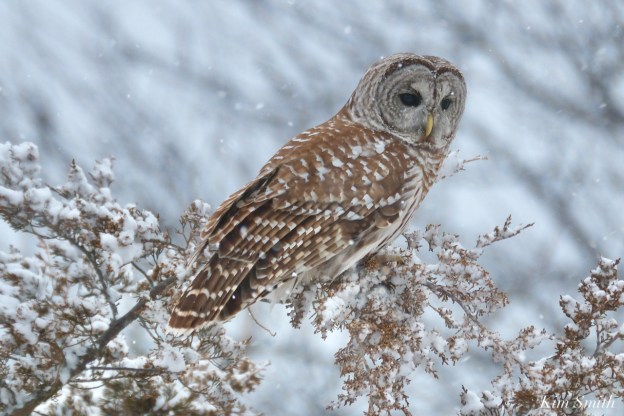
We had a beautiful snowfall this past weekend. Snow storms and snowfalls have become so few and far between over the past few years in our area that I hopped in my car before sunrise and headed north to film what I could, hopefully before the snow stopped. There was hardly a soul about. A wonderful variety of songbirds was foraging in the falling snow and also a very hungry Barred Owl was zooming from tree to tree surrounding an adjacent field. I pulled myself away before she caught her prey because I didn’t want to have any part in preventing her from capturing her breakfast. Fortuitously, the very next day, a friend shared a post on how to tell the difference between a male and female Barred Owl. You can read the post here. I concluded the BO flying to and from her tree perches was a female. It was magical watching her in the falling snow. Link to video of her flying –https://vimeo.com/1047197766 or you can watch it on Facebook or Instagram.

The deadline is fast approaching for underwriting opportunities for our documentary, The Piping Plovers of Moonlight Bay. We need to have all the names of underwriters in by January 20th to fulfill our contract with American Public Television. If you would like to join our underwriting pod with a contribution to our film and have your name or your organization’s name included in our underwriting credit pod please email me asap. An example of an underwriting pod  – This film was brought to you by the Apple Tree Foundation, The Shorebird Conservation Fund, Lark and Phoenix Bird, …, and viewers like you (these are just sample names). Please note that every time the film airs and streams on PBS over the next three years, possibly six years, the name of your organization will be acknowledged. Of course, we gratefully accept all contributions to our documentary at any time, but if you would like to be recognized in this way, please let me know.

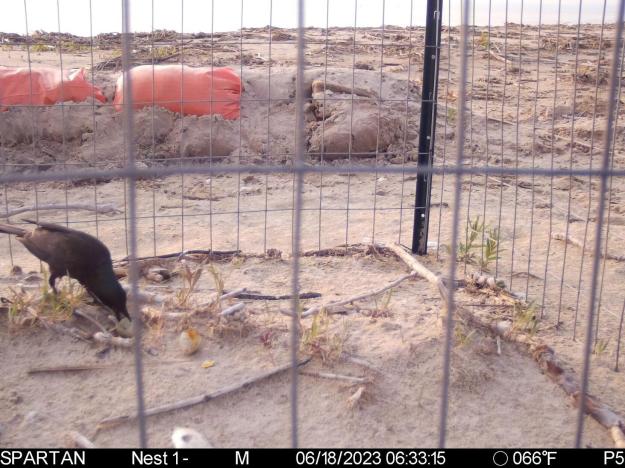
Common Grackle Eating Plover eggs

I can’t believe that in only two short months Plovers and shorebirds will be returning to our beaches. Please contact me if you would like to join our Plover Ambassador team. Research from scientists in the Michigan Great Lakes region made Plover news this past week. Common Grackles were documented foraging on Piping Plover eggs. This is very noteworthy but not too surprising to our Cape Ann Plover Ambassadors as we have seen our Plovers defending their nests from Grackles. There is a very large roost of Common Grackles on Nautilus Road, opposite Good Harbor Beach. The Plovers distract the Grackles with their broken wing display and tag-team attack behavior. We wondered, were the Grackles posing a real threat or did the Plovers behave this way because Common Crows and Grackles look somewhat similar? Crows notoriously eat Plover eggs at every stage of development, from newly laid to near hatch date. We now know definitively the answer as to why our Good Harbor Beach Plovers are on high alert around Grackles!

Stay safe and warm and cozy,

xxKim

The Piping Plovers of Moonlight Bay Easter Eggs

There are a bunch of eggs in our Plover film. Not only Plover eggs, but Easter eggs. Some are more obvious than others. I hope you have fun finding them!

A characteristic behavior of many male Plovers when they first arrive to a potential breeding site is called “flight display.” The birds circle around and around a location, piping loudly. A male showing flight display behavior will do this for several days, and even longer. Hopefully, he will eventually attract the attention of a female. The above clip is an obvious Easter egg πŸ™‚

Thank you to everyone who is planning to attend.  We are so very much looking forward to seeing you!

Check out this BRAND NEW and Utterly Charming, Fun, and Funny Trailer for The Piping Plovers of Moonlight Bay Premiere!

We are sooo delighted with the trailer for the Boston Film Festival for our film’s premiere. Thank you Ava and the Boston Film Festival!

Trailer edited by Ava Boudreau, created for the Boston Film Festival 2024. To contact Ava through Instagram, please go to: @avaboo_writing.

Music: Happy Days by Simon Fowler from Upbeat

To reserve your ticket, got to https://rockportmusic.org/boston-film-festival/. 

We hope to see you there! ❀

Thank You Gail McCarthy and the Gloucester Daily Times!

Many, many, thanks to Gail McCarthy and  Editor Andrea Holbrook for the very much appreciated write-up about the Boston Film Festival in today’s Gloucester Daily Times. Extra special shout out and thanks for featuring The Piping Plovers of Moonlight Bay!

See full article HERE: https://www.gloucestertimes.com/news/40th-boston-film-festival-closes-with-premiere-in-rockport/article_9a789c52-6edf-11ef-abc0-47c012851a0d.html

To reserve your tickets for The Piping Plovers of moonlight Bay, please go here.

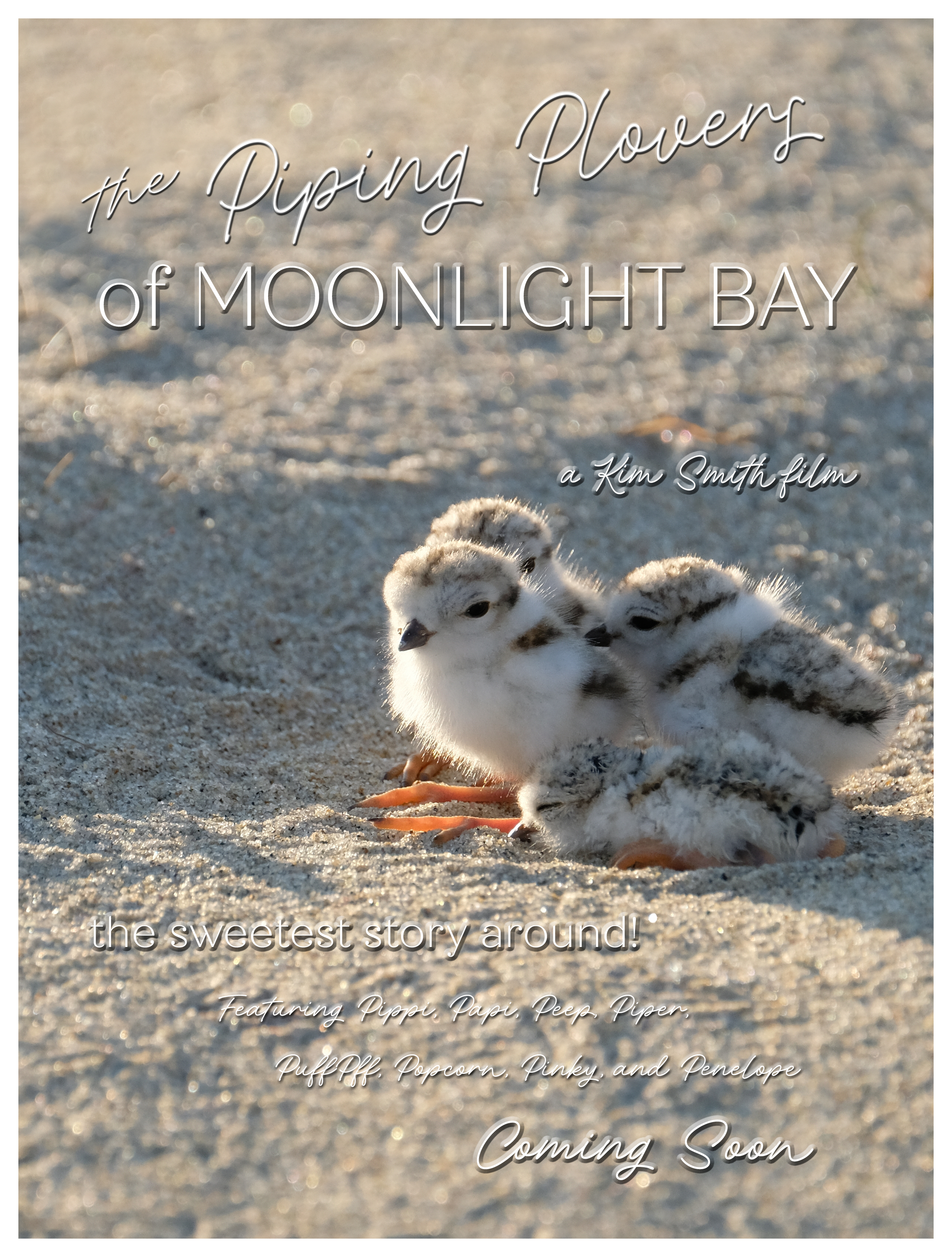
The Piping Plovers of Moonlight Bay – the sweetest story around!

Good Morning PiPl Friends!

We have wonderfully joyful news to share about our forthcoming film, The Piping Plovers of Moonlight Bay. I have started submitting to film festivals and we have already been accepted to three, notably for our community, the local upcoming Newburyport Film Festival!

Equally as exciting is that our film is in consideration for public television. Bringing the documentary to public television requires round two of fundraising. We are looking for Piping Plover Angel Sponsors and this is where your help is needed. We are hoping to connect with environmentally and wildlife conscious individuals, organizations, and corporations to sponsor our film. If you have any suggestions of an organization or individual that may be interested in underwriting The Piping Plovers of Moonlight Bay, please contact me at kimsmithdesigns@hotmail.com. Our non-profit fiscal partner is Filmmakers Collaborative, which is a 501(c)(3). An individual’s or organization’s gift is tax deductible.

Underwriting a program on PBS provides an incredibly unique and trusted opportunity for promoting your organization. We have up to 60 seconds of promotional spots, which means over the three year period that the film airs on PBS, each and every time the film is played, at both the beginning and end of the film, your promotion will air. Based on the national success of Beauty on the Wing, we are confident The Piping Plovers of Moonlight Bay will also play to millions of households across the country. The carriage results for Beauty on the Wing are well-documented.  I am happy to provide all the information needed, including donor levels, budget, and more details about promoting your organization.

We are also planning a fundraising screening event! More about that in an upcoming post. And, if so inclined, here is a link to our on-line fundraiser. All fundraising from this point forward goes towards bringing the life story of the Piping Plover to the wide world of public television.

I would like to give a huge thank you to the Cape Ann Garden Club and to Suki Augusti for the recent very generous contributions to our film. Their contributions are going straight away toward our public television fundraiser. We are so appreciative for all the kind contributions from our community.

With gratitude to the following PiPl friends for their kind contributions – Lauren Mercadante (New Hampshire), Sally Jackson (Gloucester), Cape Ann Garden Club, Brace Cove Foundation (Gloucester), JH Foundation/Fifth Third Bank (Ohio), Jane Alexander (New York), Janis and John Bell (Gloucester), Jennie Meyer (Gloucester), Alice and David Gardner (Beverly), JoeAnn Hart (Gloucester), Kim Tieger (Manchester), Joanne Hurd (Gloucester), Holly Niperus (Phoenix), Bill Girolamo (Melrose), Claudia Bermudez (Gloucester), Paula and Alexa Niziak (Rockport), Todd Pover (Springfield), Cynthia Dunn (Gloucester), Nancy Mattern (Albuquerque), Marion Frost (Ipswich), Cecile Christianson (Peabody), Sally Jackson (Gloucester), Donna Poirier Connerty (Gloucester), Mary Rhinelander (Gloucester), Jane Hazzard (Georgetown), Duncan Holloman (Gloucester), Karen Blandino (Rockport), Duncan Todd (Lexington), Sue Winslow (Gloucester), Amy Hauck-Kalti (Ohio), JoAnn Souza (Newburyport), Karen Thompson (San Francisco), Carolyn Mostello (Rhode Island), Susan Pollack (Gloucester), Peggy O’Malley (Gloucester), Hilda Santos (Gloucester), Maggie Debbie (Gloucester), Sandy Barry (Gloucester), The Massachusetts Daughters of the American Revolution, Mary Keys (Madeira, Ohio), Barbara Boudreau (Gloucester), Suki Augusti, Jonathan and Sally Golding (Gloucester), and my sweet husband Tom πŸ™‚

Although our film has been “locked” for a number of weeks, and will soon be playing at festivals, I have spent the past several months continuing to document Plovers nesting in our region. This summer was exceptionally magnificent at one very special location. Three pairs nested, with the nests situated in a row, across a very short expanse. The dynamics between the three pairs was fascinating and at times I held my breath hoping no one would be severely injured in the Plover rumbles that took place on an almost daily basis. The truly exceptional news is that Pair One laid three eggs and three chicks fledged, Pair Two laid four eggs and four chicks fledged, and Pair Three laid three eggs and three chicks are well on their way to full fledgedom. It has been a remarkable experience documenting these three families.

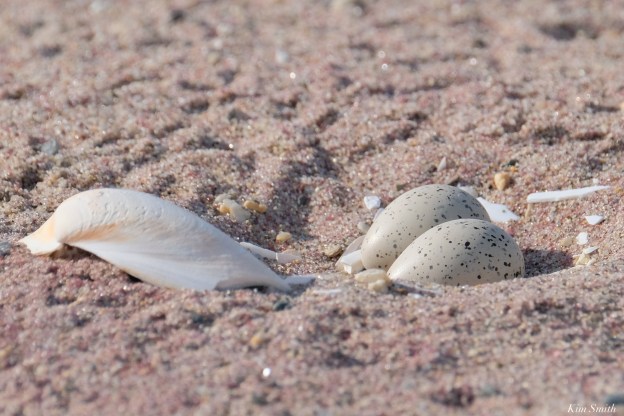
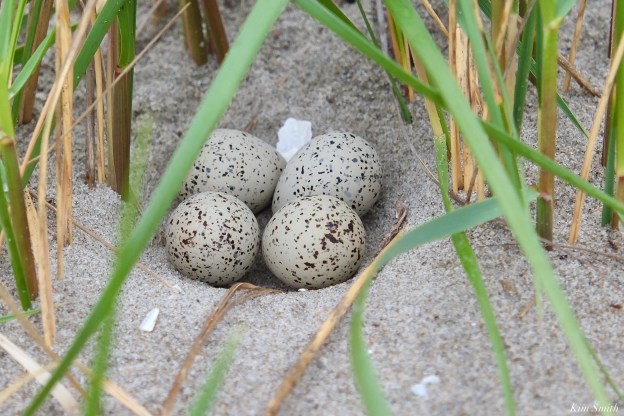
The pair whose chicks are nearly fully fledged astounded me the most. In nine years of filming and documenting Plovers, I have never seen a nest so completely and utterly exposed, smack dab in the middle of a busy urban beach. Oftentimes, a nest will be tucked behind a clump of beach grass or Sea Rocket, a piece of driftwood, or a seashell; I have even filmed garbage used as camouflage. While incubating the eggs, the parents often toss in dried beach grass, tiny stones, and bits of broken seashells, but this nest contained none of that. Just three little eggs in the bare sand.

Every time I checked on Pair Three’s nest, there was either Mom or Dad flattened in the sand and hardly noticeable. Incredibly, this is a location that has been severely plagued with predation by Crows. Thankfully, the Crows were not onto this little nest, nor the other two nests.

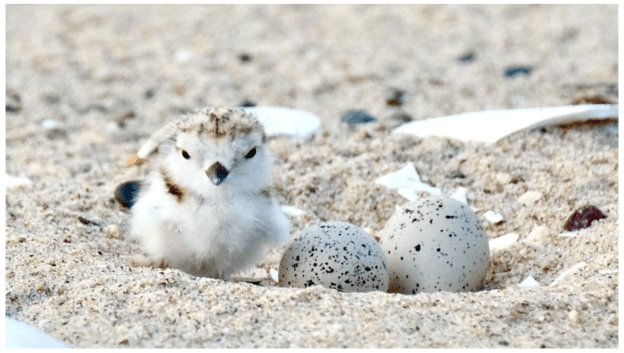
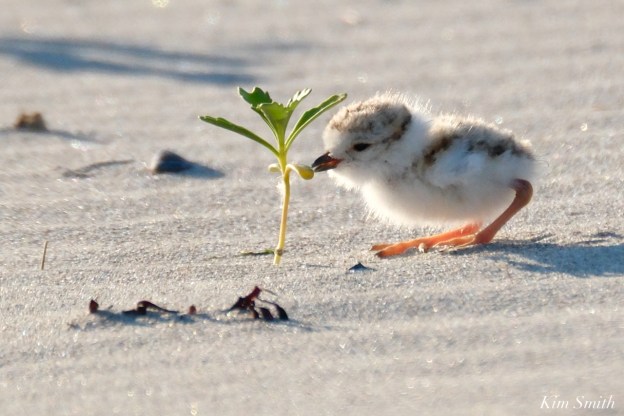
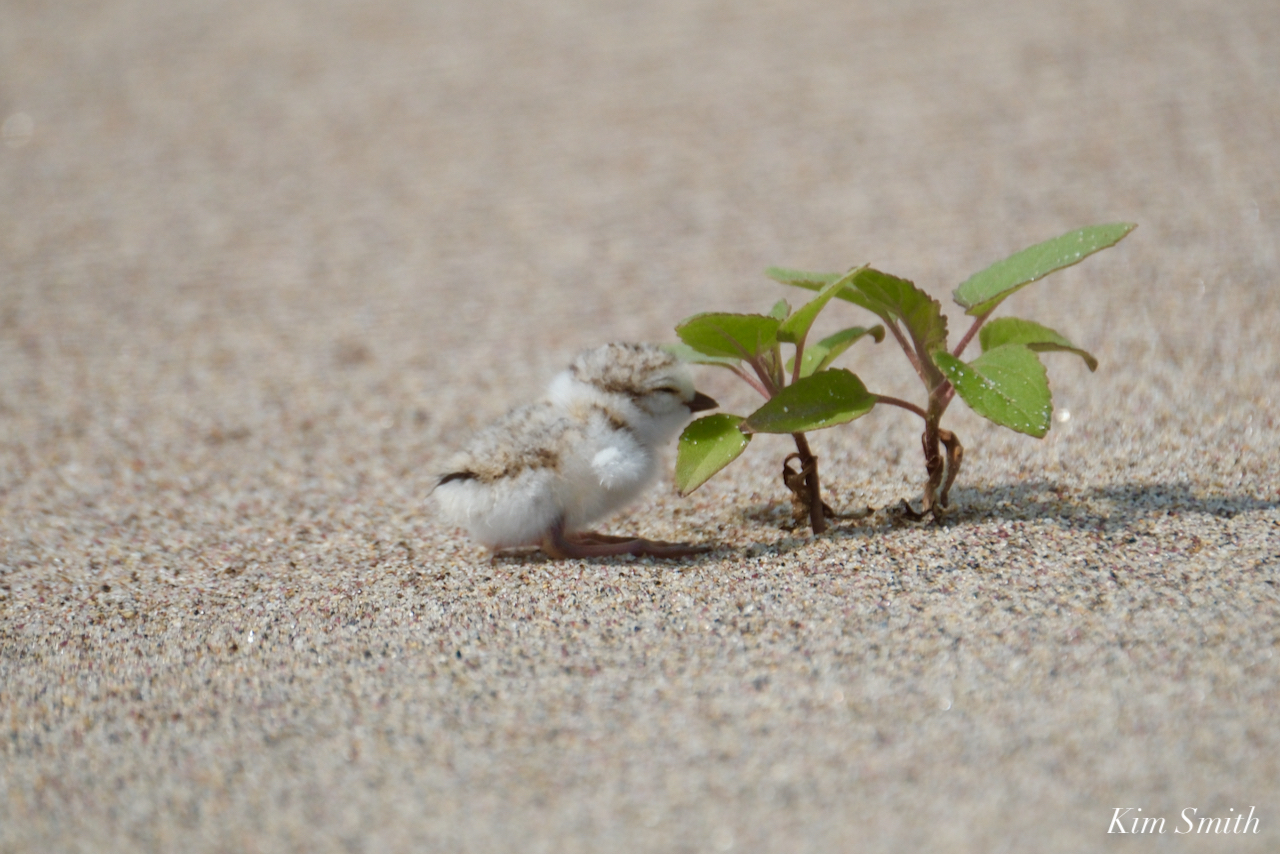
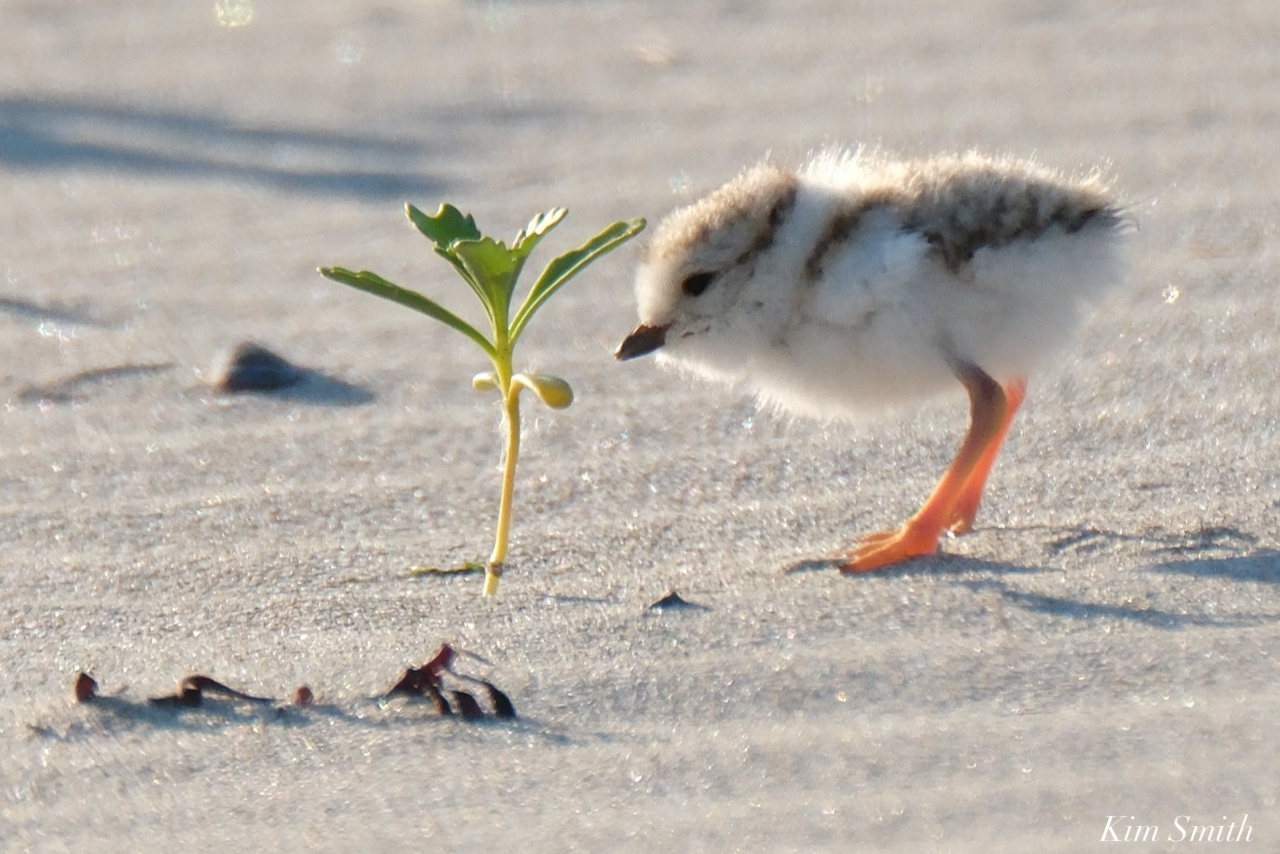
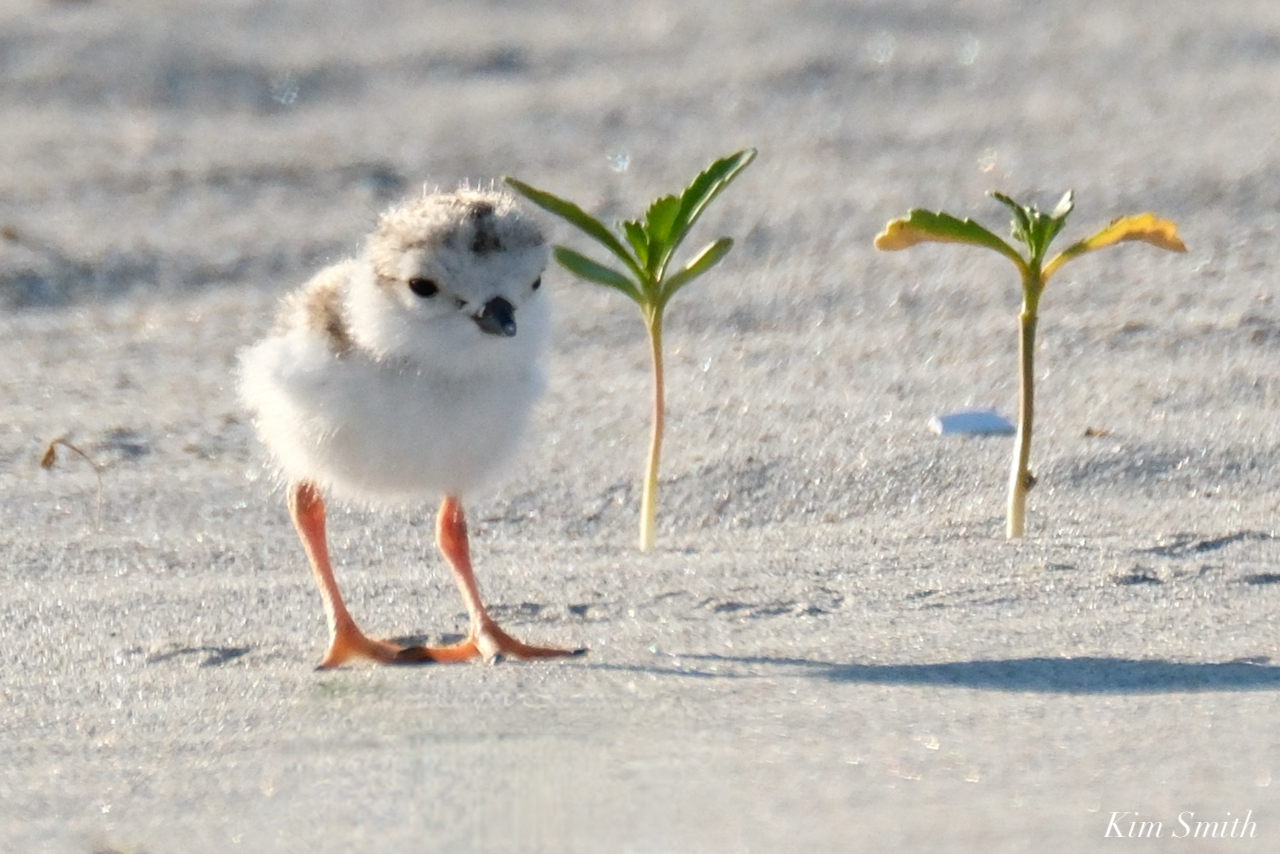
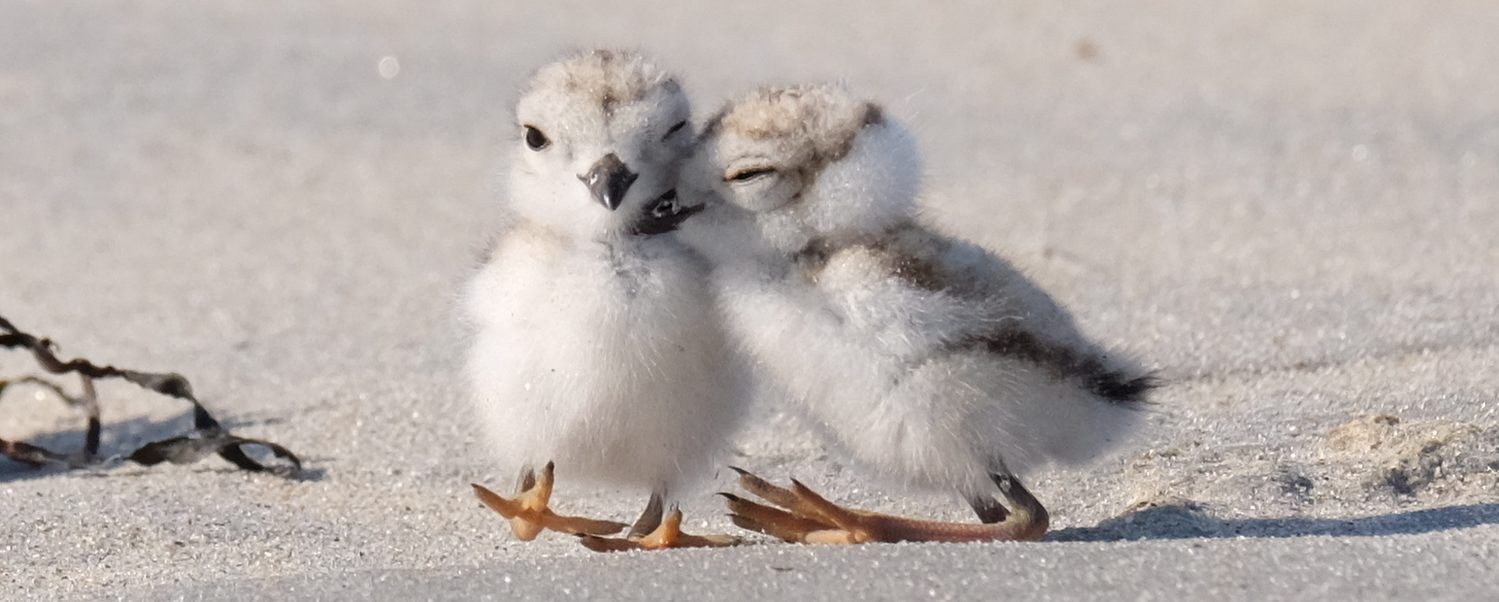
Hours old hatchlings from the most vulnerable of locations-

Sprouts!

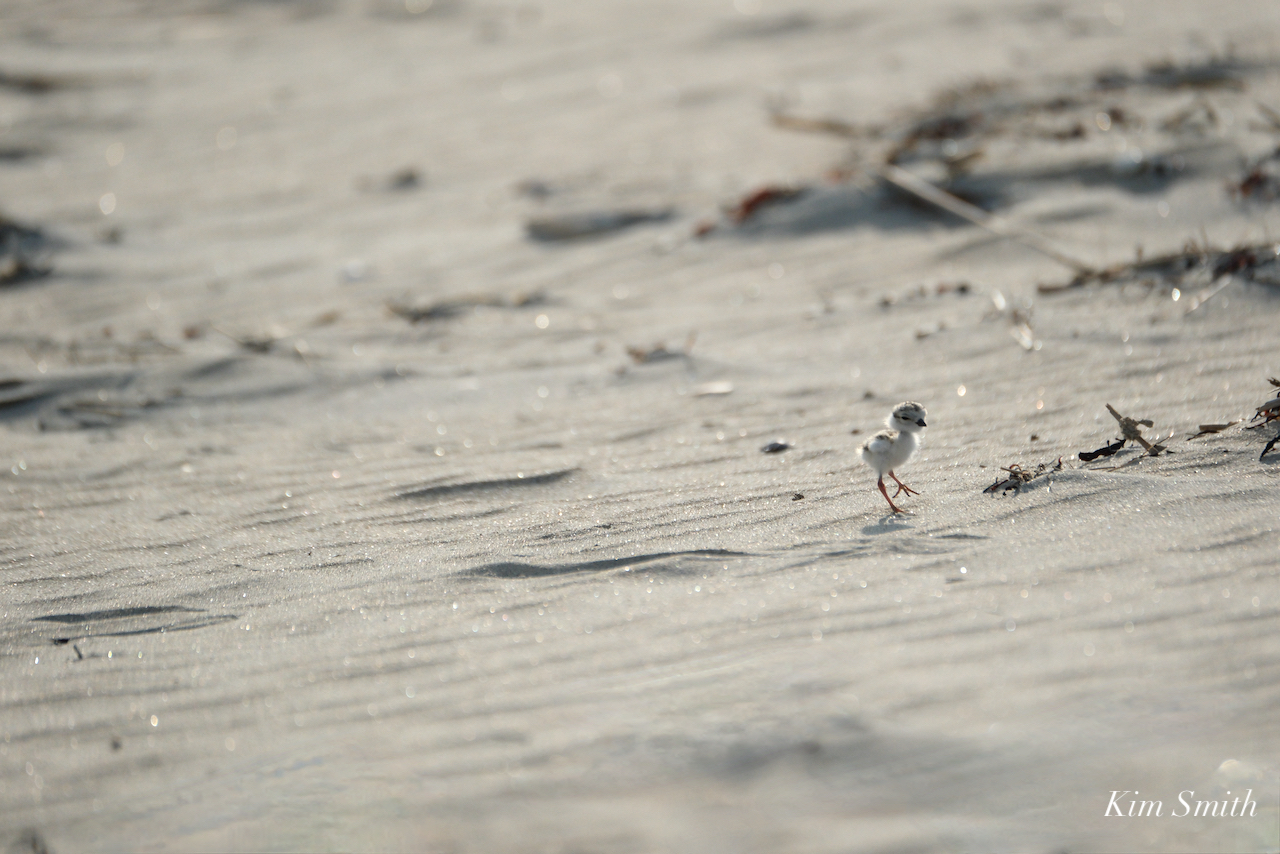
I hope you can get a sense of scale and vulnerability of these tiniest of beach babies. They are navigating the beach within hours after hatching and even the most aware may inadvertently collide. Please give them lots of space ❀

The chicks in the first batch of photos are all less than a week old. The above chick is about three weeks old. My how they grow so quickly (the Sea Rocket, too)!