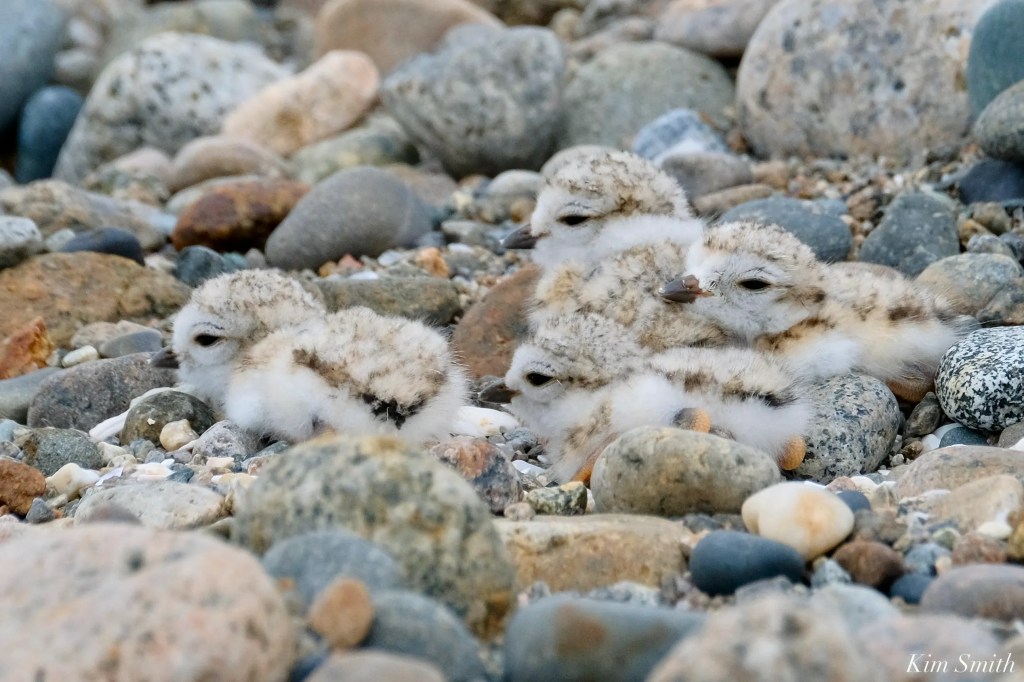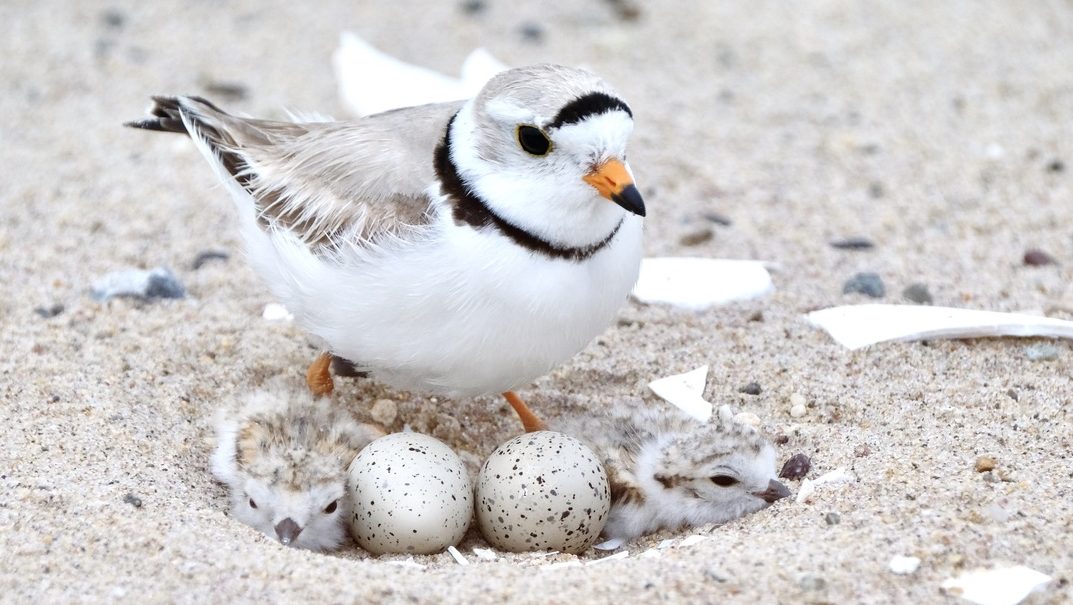
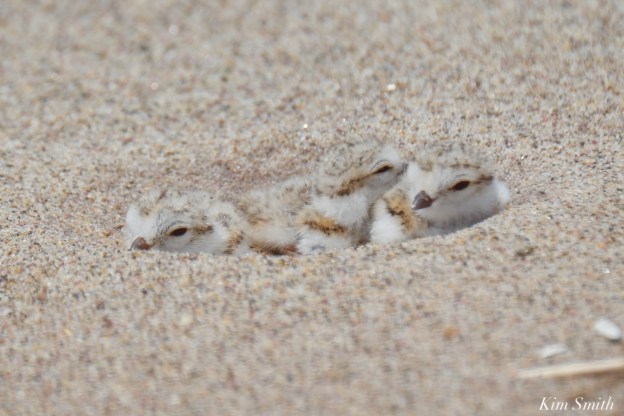
Category Archives: Piping Plover Project

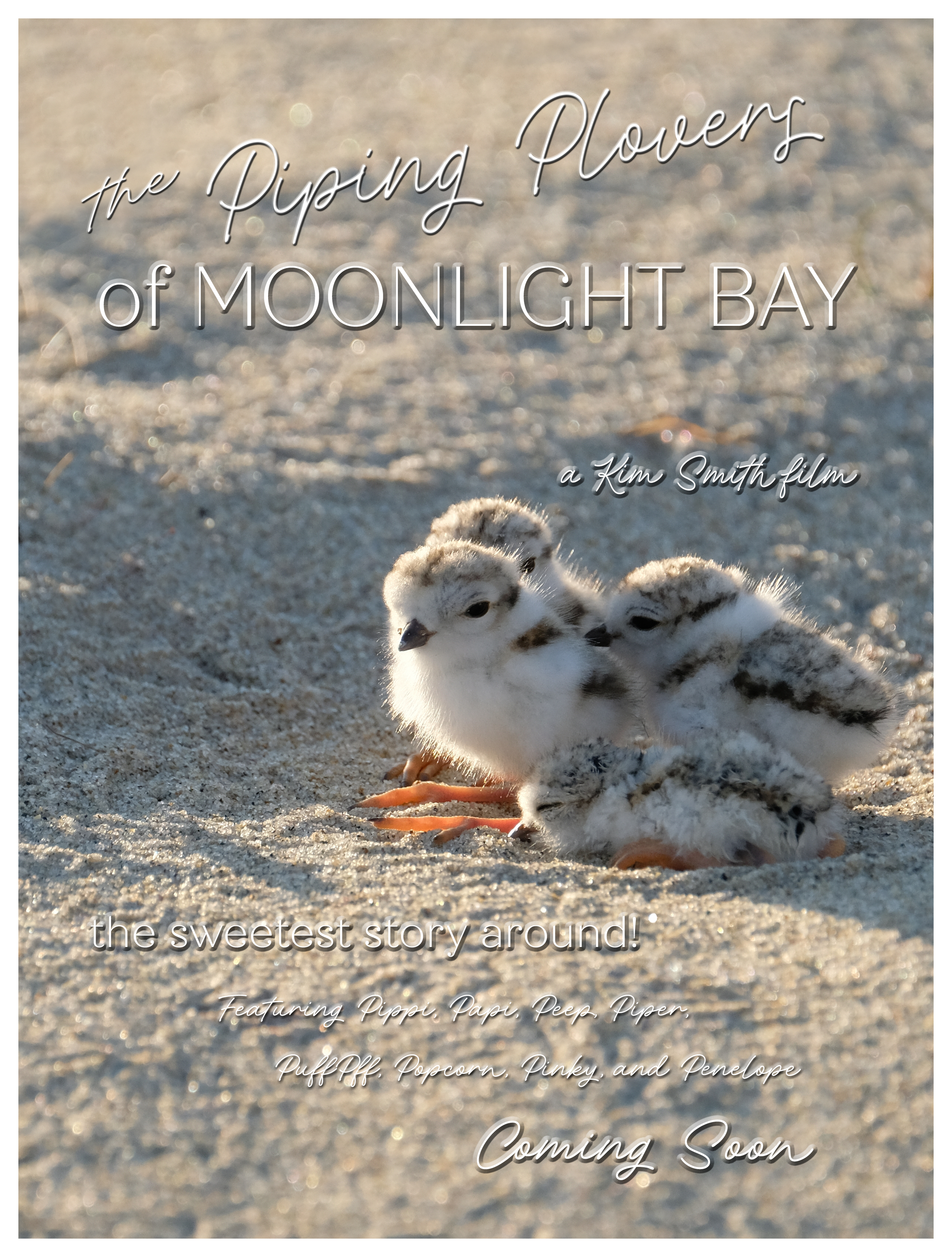
The Piping Plovers of Moonlight Bay – the sweetest story around!

Good Morning PiPl Friends!

We have wonderfully joyful news to share about our forthcoming film, The Piping Plovers of Moonlight Bay. I have started submitting to film festivals and we have already been accepted to three, notably for our community, the local upcoming Newburyport Film Festival!

Equally as exciting is that our film is in consideration for public television. Bringing the documentary to public television requires round two of fundraising. We are looking for Piping Plover Angel Sponsors and this is where your help is needed. We are hoping to connect with environmentally and wildlife conscious individuals, organizations, and corporations to sponsor our film. If you have any suggestions of an organization or individual that may be interested in underwriting The Piping Plovers of Moonlight Bay, please contact me at kimsmithdesigns@hotmail.com. Our non-profit fiscal partner is Filmmakers Collaborative, which is a 501(c)(3). An individual’s or organization’s gift is tax deductible.

Underwriting a program on PBS provides an incredibly unique and trusted opportunity for promoting your organization. We have up to 60 seconds of promotional spots, which means over the three year period that the film airs on PBS, each and every time the film is played, at both the beginning and end of the film, your promotion will air. Based on the national success of Beauty on the Wing, we are confident The Piping Plovers of Moonlight Bay will also play to millions of households across the country. The carriage results for Beauty on the Wing are well-documented.  I am happy to provide all the information needed, including donor levels, budget, and more details about promoting your organization.

We are also planning a fundraising screening event! More about that in an upcoming post. And, if so inclined, here is a link to our on-line fundraiser. All fundraising from this point forward goes towards bringing the life story of the Piping Plover to the wide world of public television.

I would like to give a huge thank you to the Cape Ann Garden Club and to Suki Augusti for the recent very generous contributions to our film. Their contributions are going straight away toward our public television fundraiser. We are so appreciative for all the kind contributions from our community.

With gratitude to the following PiPl friends for their kind contributions – Lauren Mercadante (New Hampshire), Sally Jackson (Gloucester), Cape Ann Garden Club, Brace Cove Foundation (Gloucester), JH Foundation/Fifth Third Bank (Ohio), Jane Alexander (New York), Janis and John Bell (Gloucester), Jennie Meyer (Gloucester), Alice and David Gardner (Beverly), JoeAnn Hart (Gloucester), Kim Tieger (Manchester), Joanne Hurd (Gloucester), Holly Niperus (Phoenix), Bill Girolamo (Melrose), Claudia Bermudez (Gloucester), Paula and Alexa Niziak (Rockport), Todd Pover (Springfield), Cynthia Dunn (Gloucester), Nancy Mattern (Albuquerque), Marion Frost (Ipswich), Cecile Christianson (Peabody), Sally Jackson (Gloucester), Donna Poirier Connerty (Gloucester), Mary Rhinelander (Gloucester), Jane Hazzard (Georgetown), Duncan Holloman (Gloucester), Karen Blandino (Rockport), Duncan Todd (Lexington), Sue Winslow (Gloucester), Amy Hauck-Kalti (Ohio), JoAnn Souza (Newburyport), Karen Thompson (San Francisco), Carolyn Mostello (Rhode Island), Susan Pollack (Gloucester), Peggy O’Malley (Gloucester), Hilda Santos (Gloucester), Maggie Debbie (Gloucester), Sandy Barry (Gloucester), The Massachusetts Daughters of the American Revolution, Mary Keys (Madeira, Ohio), Barbara Boudreau (Gloucester), Suki Augusti, Jonathan and Sally Golding (Gloucester), and my sweet husband Tom 🙂

Although our film has been “locked” for a number of weeks, and will soon be playing at festivals, I have spent the past several months continuing to document Plovers nesting in our region. This summer was exceptionally magnificent at one very special location. Three pairs nested, with the nests situated in a row, across a very short expanse. The dynamics between the three pairs was fascinating and at times I held my breath hoping no one would be severely injured in the Plover rumbles that took place on an almost daily basis. The truly exceptional news is that Pair One laid three eggs and three chicks fledged, Pair Two laid four eggs and four chicks fledged, and Pair Three laid three eggs and three chicks are well on their way to full fledgedom. It has been a remarkable experience documenting these three families.

The pair whose chicks are nearly fully fledged astounded me the most. In nine years of filming and documenting Plovers, I have never seen a nest so completely and utterly exposed, smack dab in the middle of a busy urban beach. Oftentimes, a nest will be tucked behind a clump of beach grass or Sea Rocket, a piece of driftwood, or a seashell; I have even filmed garbage used as camouflage. While incubating the eggs, the parents often toss in dried beach grass, tiny stones, and bits of broken seashells, but this nest contained none of that. Just three little eggs in the bare sand.
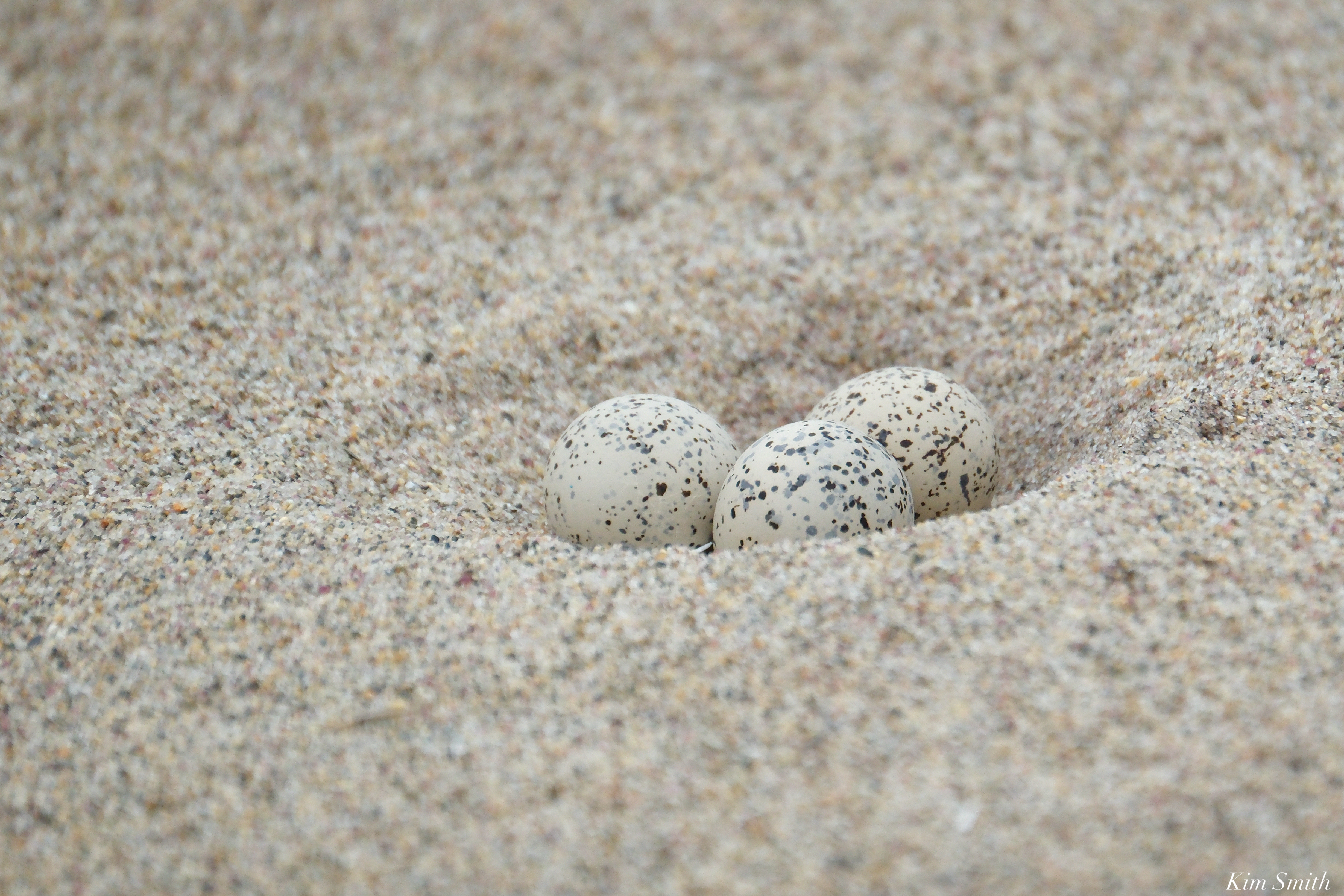
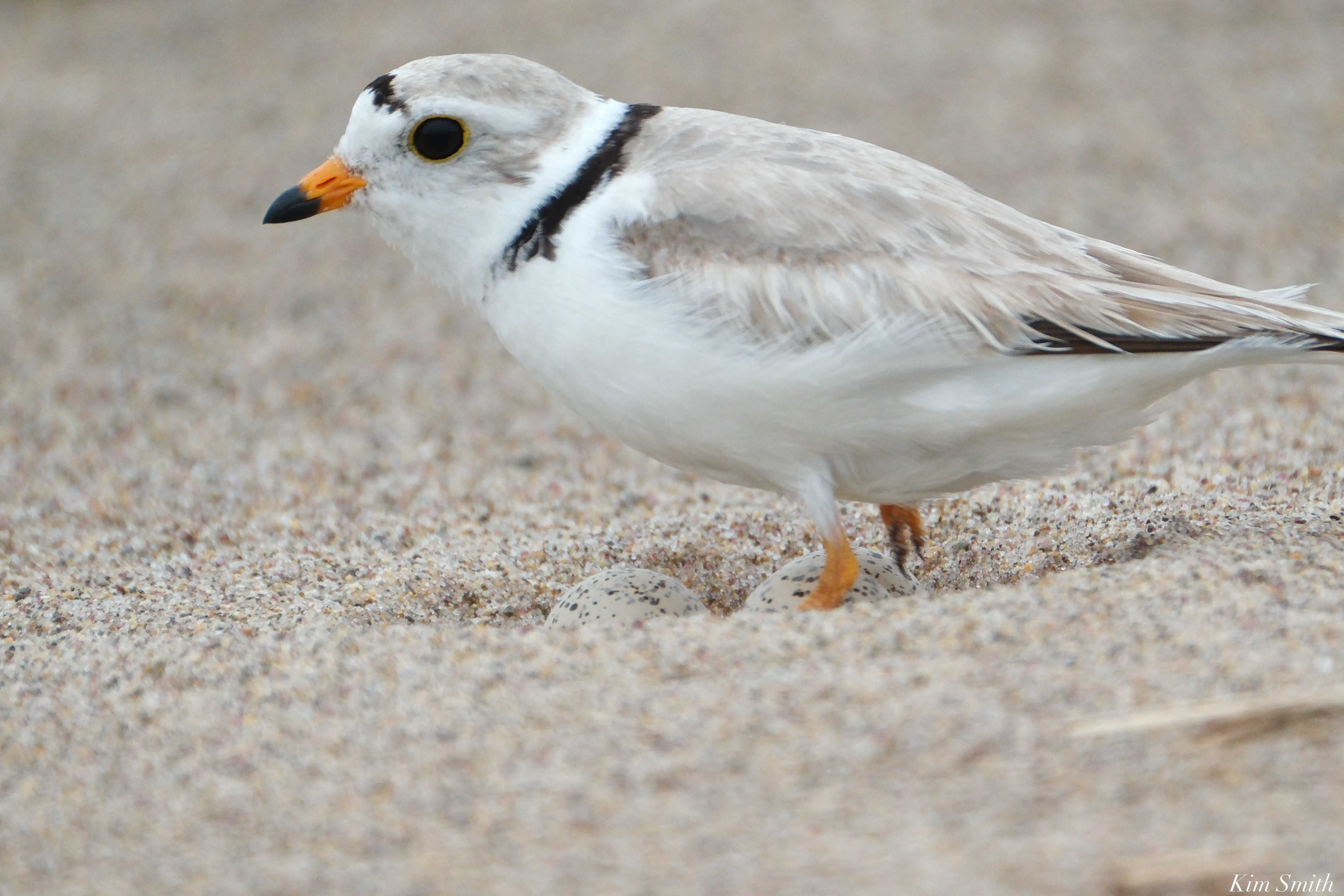
Every time I checked on Pair Three’s nest, there was either Mom or Dad flattened in the sand and hardly noticeable. Incredibly, this is a location that has been severely plagued with predation by Crows. Thankfully, the Crows were not onto this little nest, nor the other two nests.

Hours old hatchlings from the most vulnerable of locations-
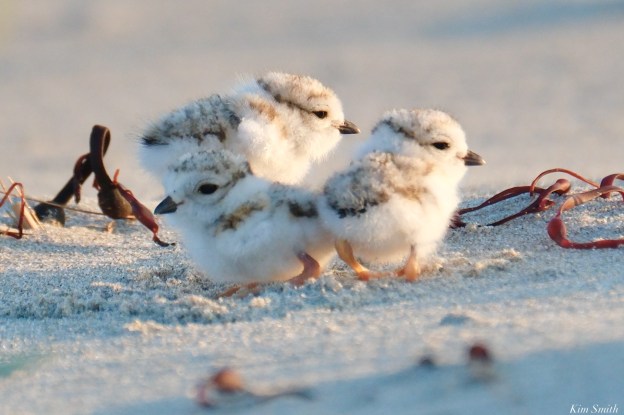
Killdeer Chicks – Four more Plover Beach Babies Getting Ready to Spread Their Wings

Adorably long-legged Killdeer Plover fledgling, one of four Killdeer chicks that hatched at a Cape Ann beach this summer

One of the shorebirds often confused with Piping Plovers are Killdeers, which are another type of Plover that nests on beaches. Killdeers not only nest on beaches, they breed at a wide variety of habitats including grasslands and dunes. They have even been known to nest on rooftops, golf courses, and parking lots! If you see a Piping Plover and Killdeer near to each other, it’s easy to see the difference. Killdeers are noticeably larger and their mantle (upper back) feathers are chocolatey shades of brown, not  the soft tan of the Piping Plovers.

One way to tell whether Killdeer or Piping Plover when they are not side-by-side is to look at the collar bands. Piping Plovers have one; Killdeers have two– a wide band that encircles the neck and a shorter band across the upper front part of its chest. If you are close enough to see the eyes, the Killdeer’s pupil is black surrounded by a red iris , while both the iris and pupil of the PiPl is black. The Killdeers legs are pinkish gray, the Piping Plovers legs are orange. There are many other differences but this will get you started when comparing the two.

Killdeer adult and three chicks – note the double black bands, pinkish legs, red iris, and solid black bill.

Piping Plover adult (Super Mom) with singe collar band, light gray-tan mantle, black-tipped orange beak, and jet black eyesKilldeer chickPiping Plover chick

Listen to the Killdeer parents calling to the fledglings. Killdeers are thought to be named for their distinctive vocalizations. Kill-dee, kill-dee eventually became Killdeer. I think I prefer Killdee 🙂

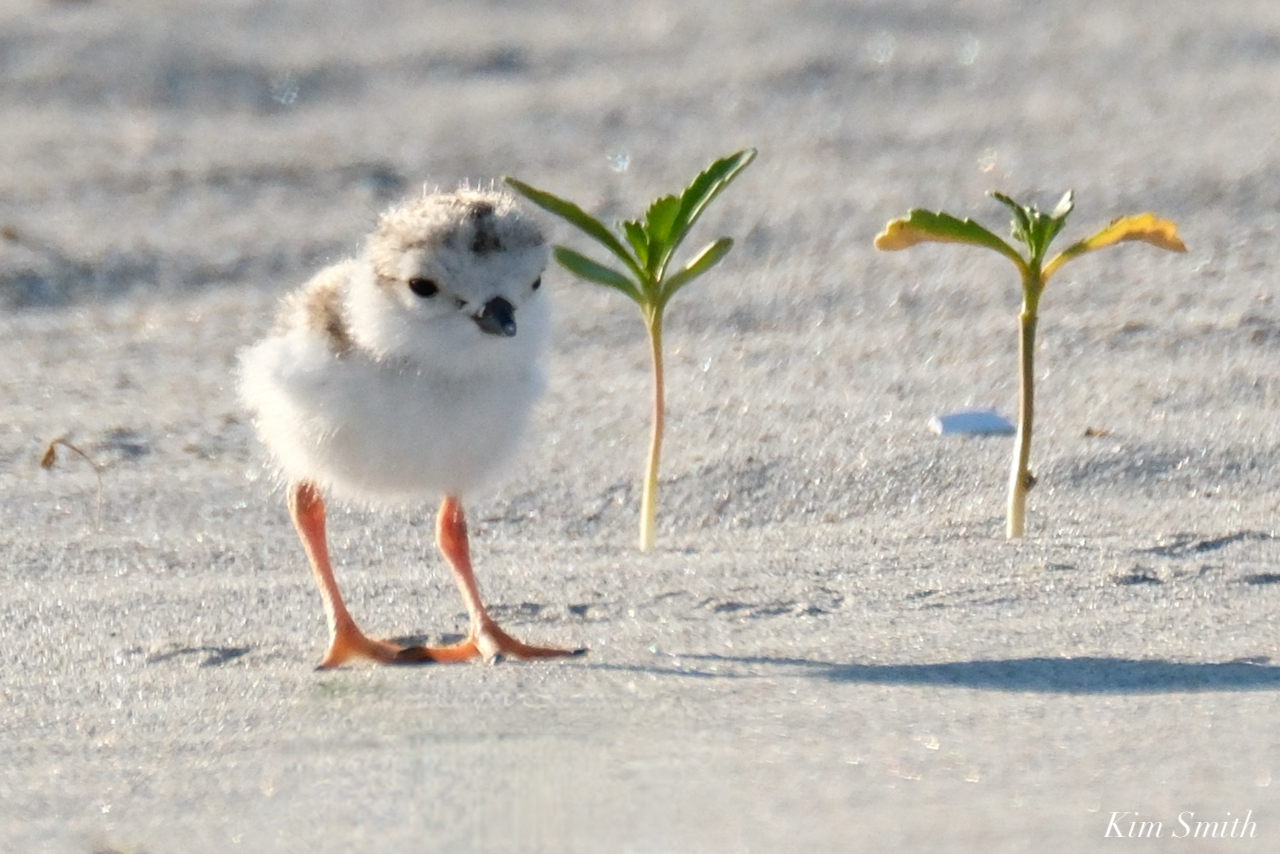
Sprouts!

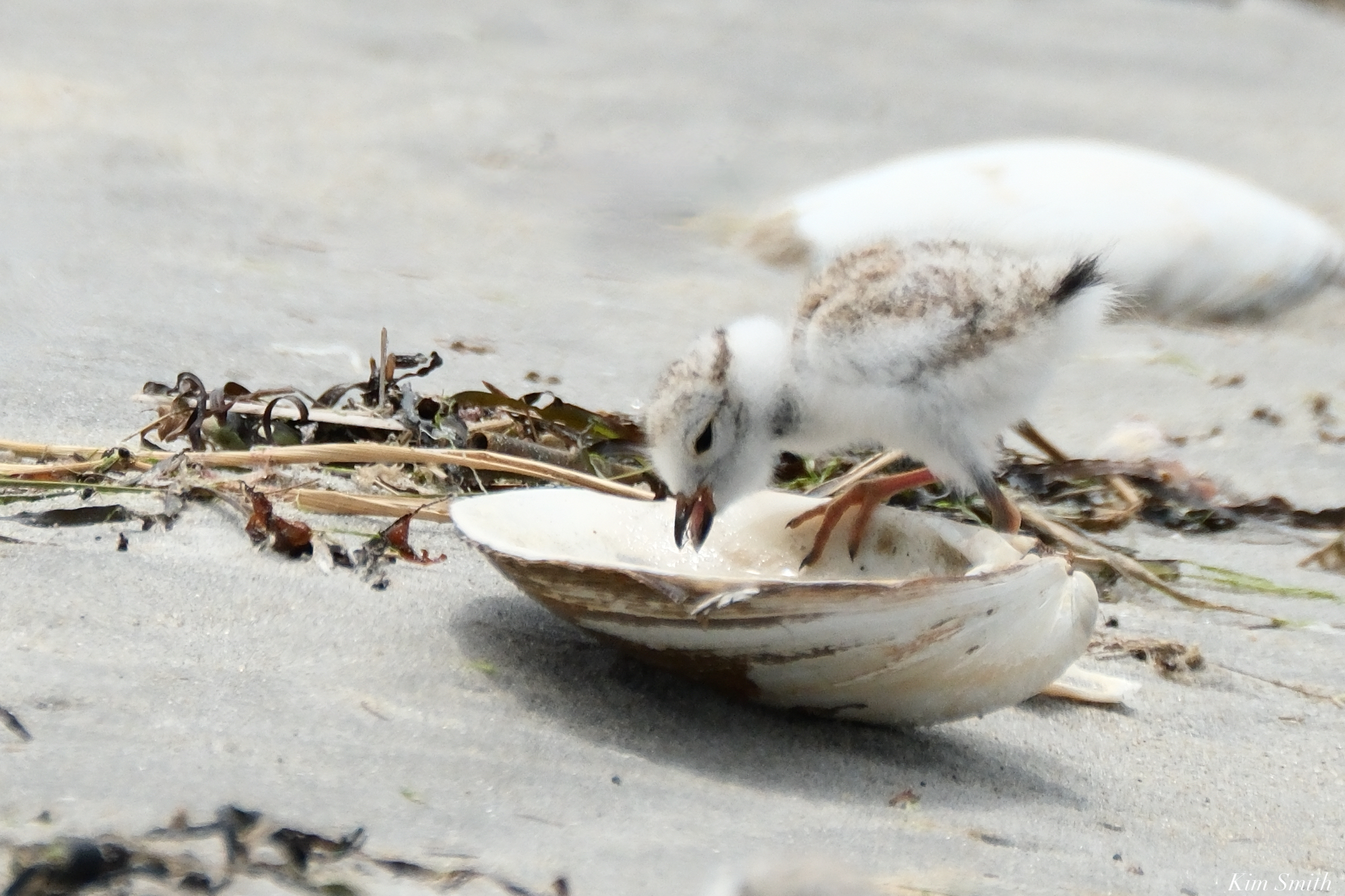
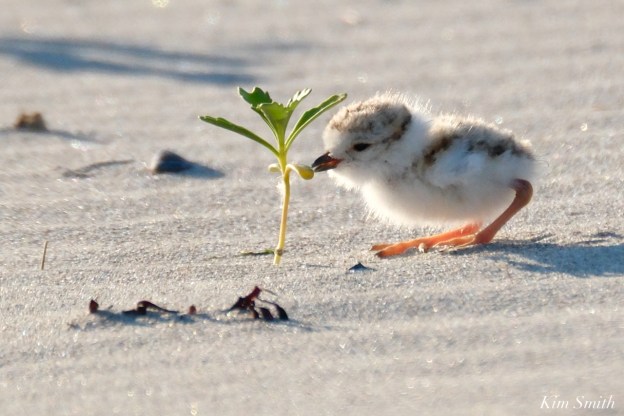
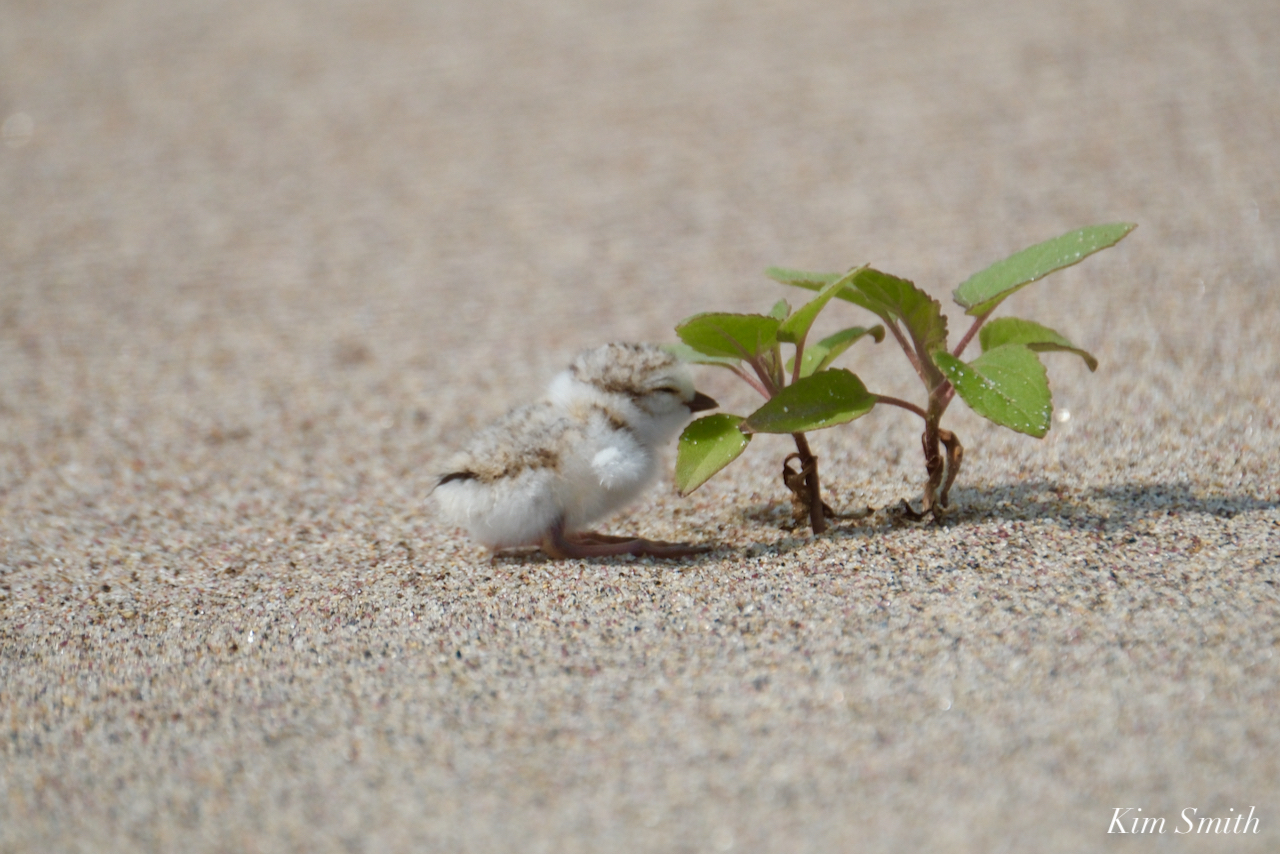
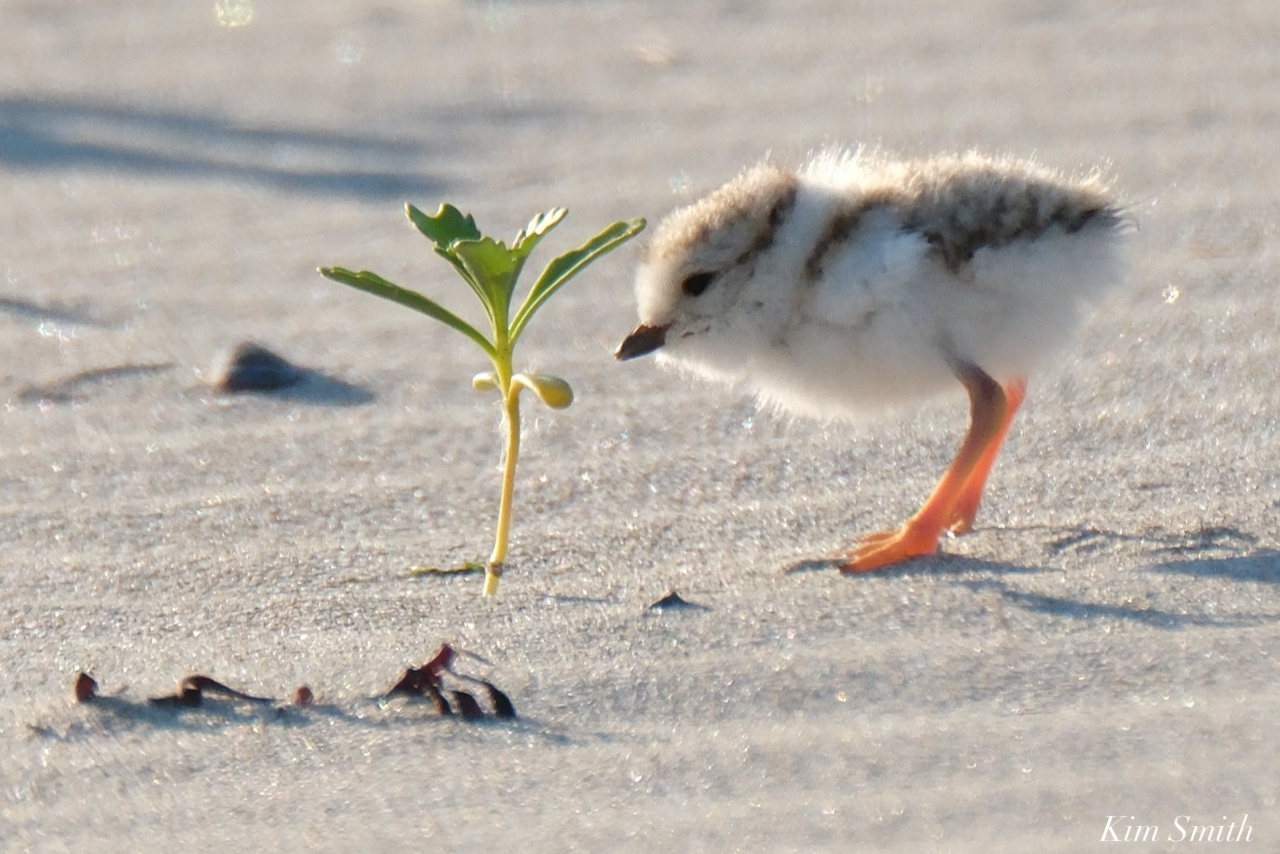
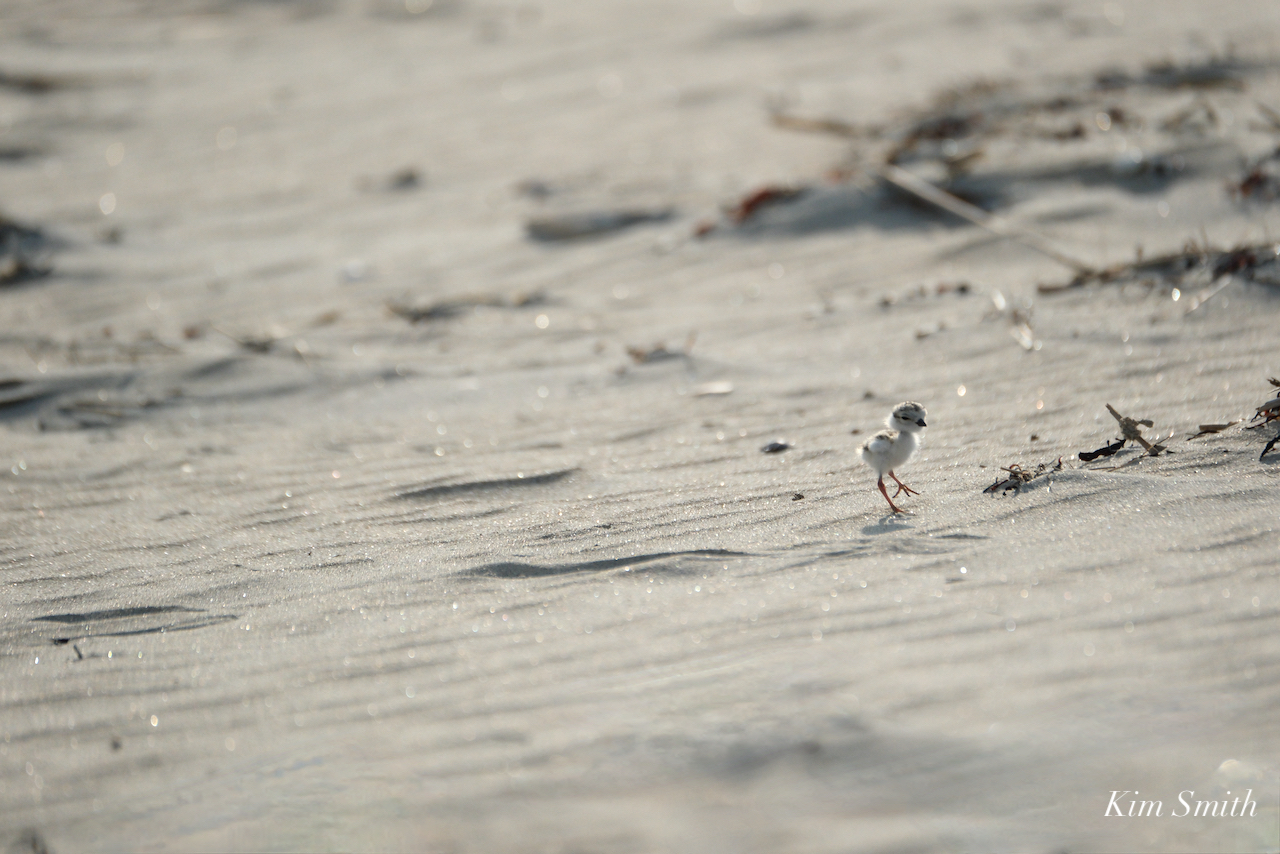
I hope you can get a sense of scale and vulnerability of these tiniest of beach babies. They are navigating the beach within hours after hatching and even the most aware may inadvertently collide. Please give them lots of space

The chicks in the first batch of photos are all less than a week old. The above chick is about three weeks old. My how they grow so quickly (the Sea Rocket, too)!

The Good Harbor Beach Piping Plovers July Update

Dear Piping Plover Friends,

I hope you had an enjoyable extended Fourth of July weekend! Like many of us, I feel we who live on Cape Ann are so very blessed, not only for our fantastic community sharing in celebrations like St. Peter’s Fiesta and Independence Day, but also for the natural beauty that surrounds us, which in turn attracts a bevy of beautiful wild creatures to our shores and wild spaces.

Super Mom and Dad arrived from their wintering grounds in early spring

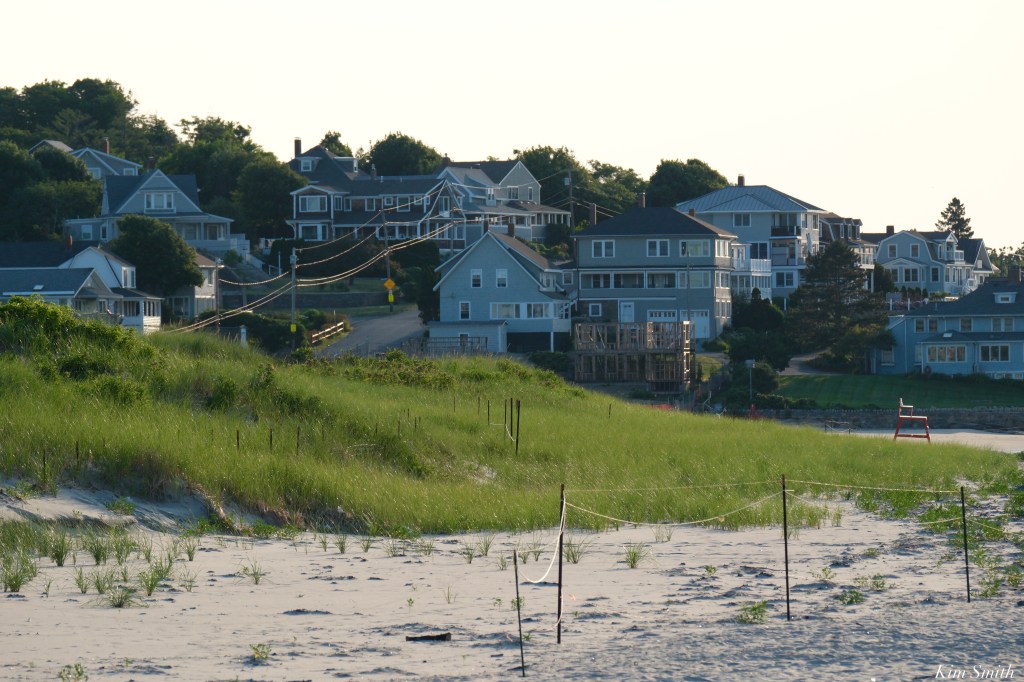
Nine years ago a pair of Piping Plovers began calling Good Harbor Beach home. There is so much good that this intrepid little duo has brought to our community. People have come together to help protect the birds and the community has become more educated about nesting shorebirds. Equally as exciting is the growing awareness of the connection between conserving habitats and wildlife. For decades our dunes have been ravished by storms and a lack of basic protections. Because a narrow corridor that runs the length of the beach was roped off for Plovers, it has largely kept people from recreating close to the dune’s edge. Creating this corridor has allowed beach vegetation to take hold. The areas of the beach that have been consistently roped off for the past eight years are clearly the healthiest.

A vital new habitat has developed in the area of the dunes that has been roped off consistently for eight years.

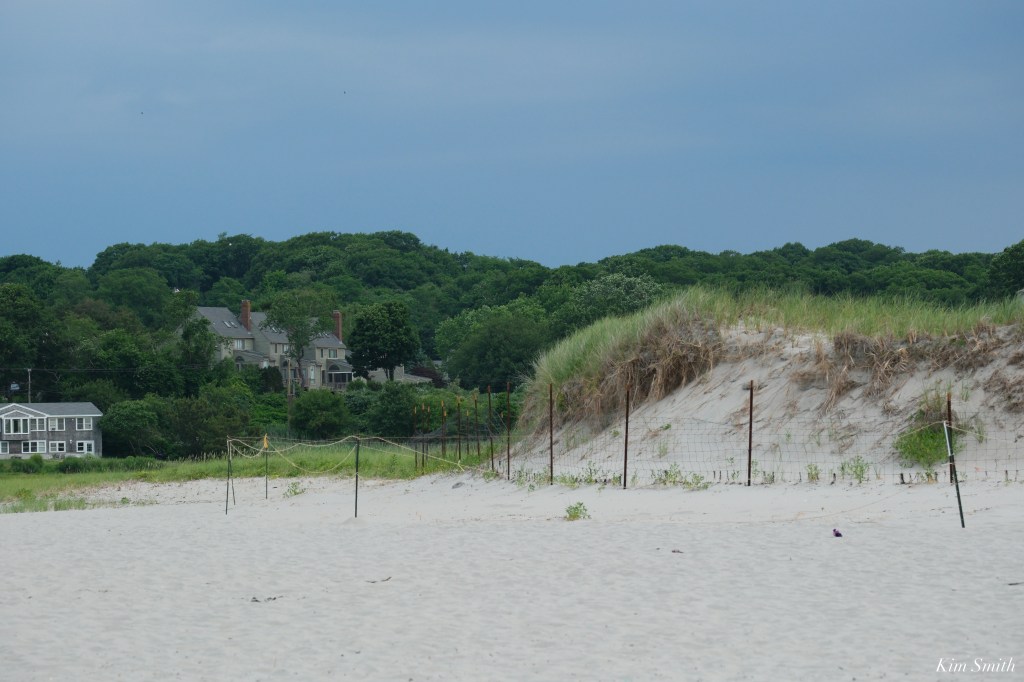
The above area has only this year begun to be roped off. Notice how ravaged is the edge of the dune. That is what the edge of the dunes looked like along the length of the entire beach prior to creating protective corridors. You can see that one of the first plants to begin to take hold is Sea Rocket. The same exact sequence of revegetation happened in the area depicted in the first photo – Sea Rocket, followed by beach grass.

It is one of our greatest hopes that the City will continue to leave the roping in place year round. There is a tiny, and fortunately, diminishing, minority of sour anti-Plover/anti-conservation types however, no matter how one feels about making space for Plovers, it is undeniable that by creating protective corridors, the dunes have never looked as lush and as healthy as they do today. I urge you to go and see for yourself!

Additionally, roping off the areas for the Plovers has had zero economic impact on beach attendance. As a matter of fact, since the Blinkay system was implemented, beach revenue has gone up in the past few years.

We have a wonderfully dedicated crew of Ambassadors hourly monitoring the Plovers and educating beachgoers about the presence of Plovers. I’d like to give a heartfelt thanks to Deborah Brown, Jennie Meyer, Jill Ortiz, Paula and Alexa Niziak, Barbara Boudreau, and our newest Ambassadors, Kim Bouris and Sandy Barry. If you see them around town, please thank them for their hours and hours of dedication to our teeniest neighbors.

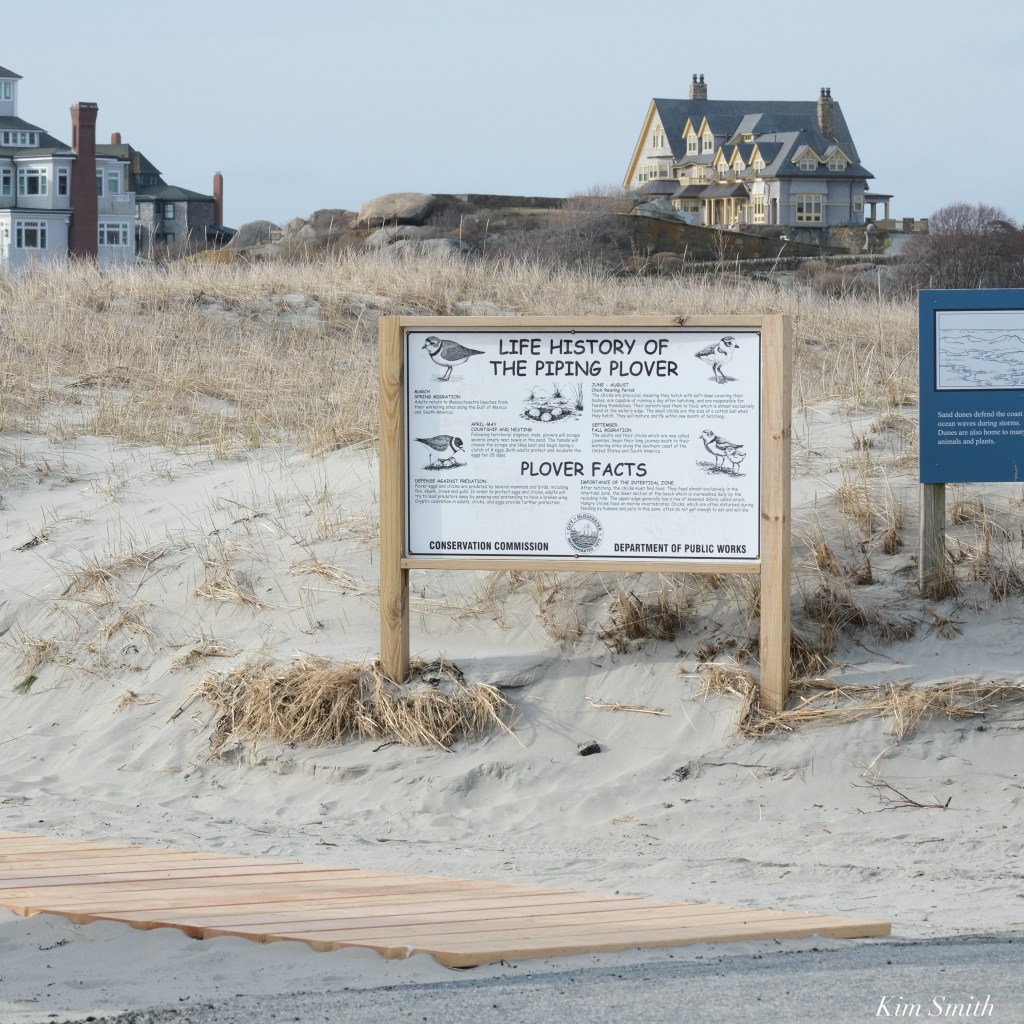
Last year, the City hired Mass Audubon to oversee Plover monitoring. The Audubon team is phenomenal -so well-educated, enthusiastic, conscientious, and kind. I can’t say enough good things about Lyra Brennan, Malarie Markowitz, and the entire Audubon crew! The Gloucester DPW has been a tremendous partner as well. The DPW did an outstanding job installing the roped off corridor last spring, not once, but twice, as the first installation was destroyed by a late season storm. We are so fortunate to all be working together for Plover protections, from sunup to sunrise!

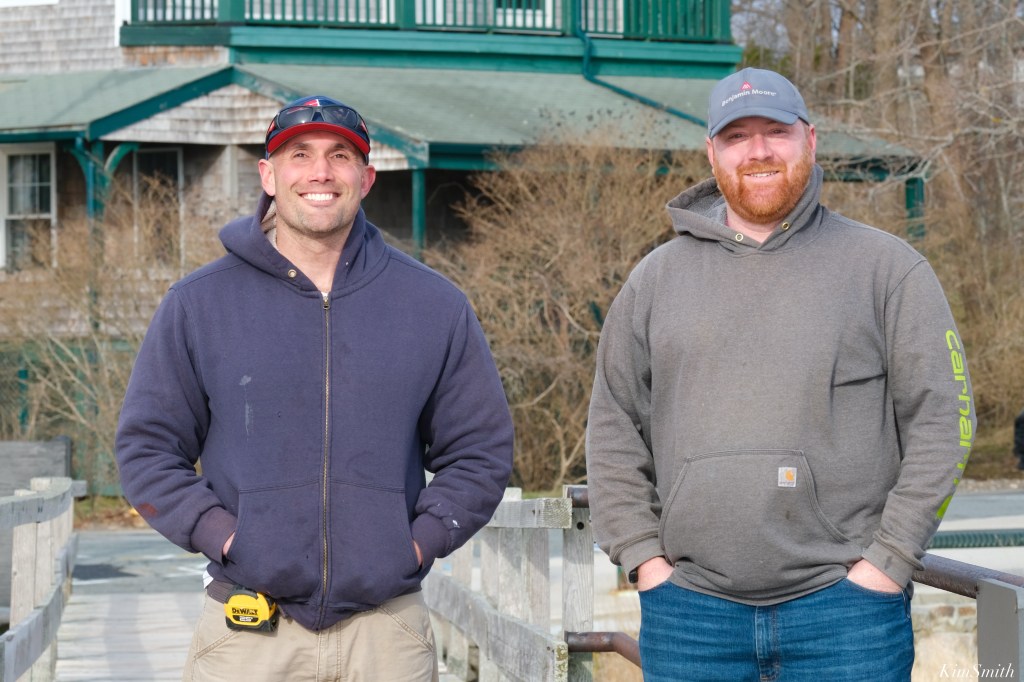
Gloucester’s DW Crew Mike Tarantino and Tyler Curtis

Not all monitoring of Plovers is successful (I’ll write more about that in a future post); we did want to share though the joyful news that our Super Mom and Super Dad have fledged two healthy chubby little chicks. We are so proud of Mom and Dad. No matter what curveballs life throws their way, the pair continue to be phenomenal parents!

From a nest of four eggs, one chick did not survive the very first night. A second chick was lost about a week later. The two remaining chicks thrived and grew to fly. We have lots of wonderful stories to share about their adventures 🙂

The maiden voyage of the Plovers is the most dangerous. We wish our tiny tender fledglings safe travels.

I’ll be posting more about Plovers in the coming weeks. Our Plover documentary is progressing beautifully (updates about that soon,) and I am dropping off new Plover tees and stickers this week at Alexandra’s Bread. 

Warmest wishes,

Kim

Happy Easter!

The best kind of Peeps – Plover Peeps. Happy Easter, Happy Spring friends!

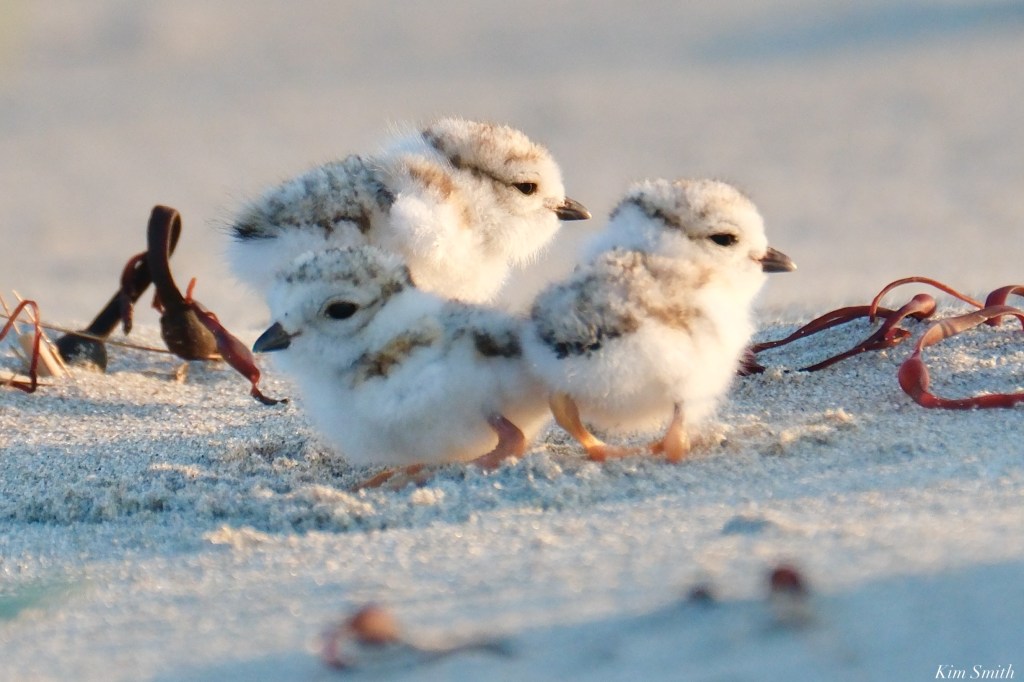
Piping Plover chicks one-day-old

PIPING PLOVER PEEPS AT ALEXANDRA’S BREAD!

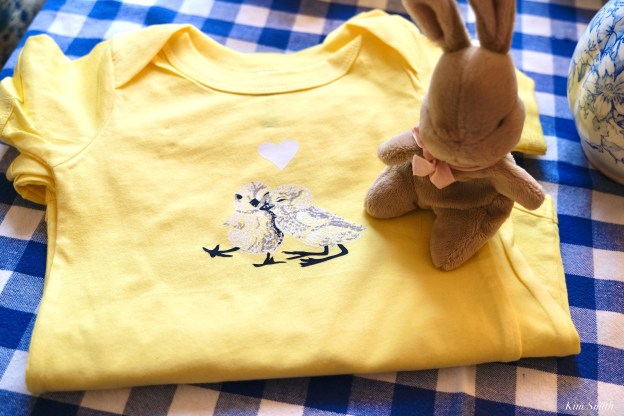
Just in for spring, we have a limited edition of Plover PEEP yellow unisex tees and onesies, perfect for your Chicks, big and small!

The T-shirts  are a great length, longer than average, and both the tees and onesies are a beautiful super quality 100 percent cotton.

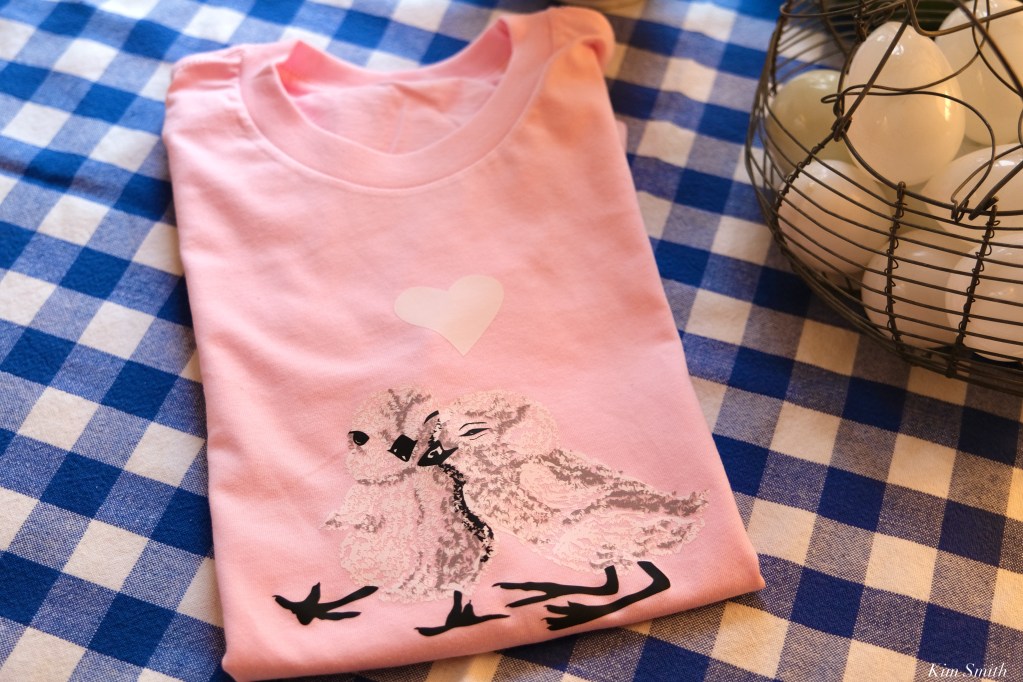
Question – do you think we should order kids sizes in the tees?  I had one made for Charlotte in pink and i think it’s adorable. Let me know if you are interested in youth sizes.

And, Alexandra has a replenished batch of Cape Ann Piping Plover Project stickers!

All profits from the sale of the tees and stickers goes towards replenishing stock and toward our documentary, The Piping Plovers of Moonlight Bay, coming soon!

Alexandra’s Bread is located at 265 Main Street, Gloucester. 

Open from 8:30 until 2:00 Wednesday through Saturday

SUPER MOM AND SUPER DAD RETURN TO GOOD HARBOR BEACH #ploverjoyed

Good morning PiPl Friends!

We are overjoyed to share that handicapped Mom and Super Dad have returned for their ninth year nesting at Good Harbor Beach!!! The pair were spotted by Tom on Sunday, the 24th. I raced over to meet him and we watched with delight as they foraged hungrily at the Creek shoreline. This is a record for Mom and Dad, by one day. We have been checking daily and know for certain that they flew in sometime the night before. At first I thought it was not handicapped Mom because the two were running so vigorously along the water’s edge but I was mistaken and it is our Mom!  Plover pairs don’t always arrive on the exact same day, together. We know from banding programs that pairs don’t necessarily share the same wintering grounds; it’s wonderfully mystifying when they do share the same arrival date.

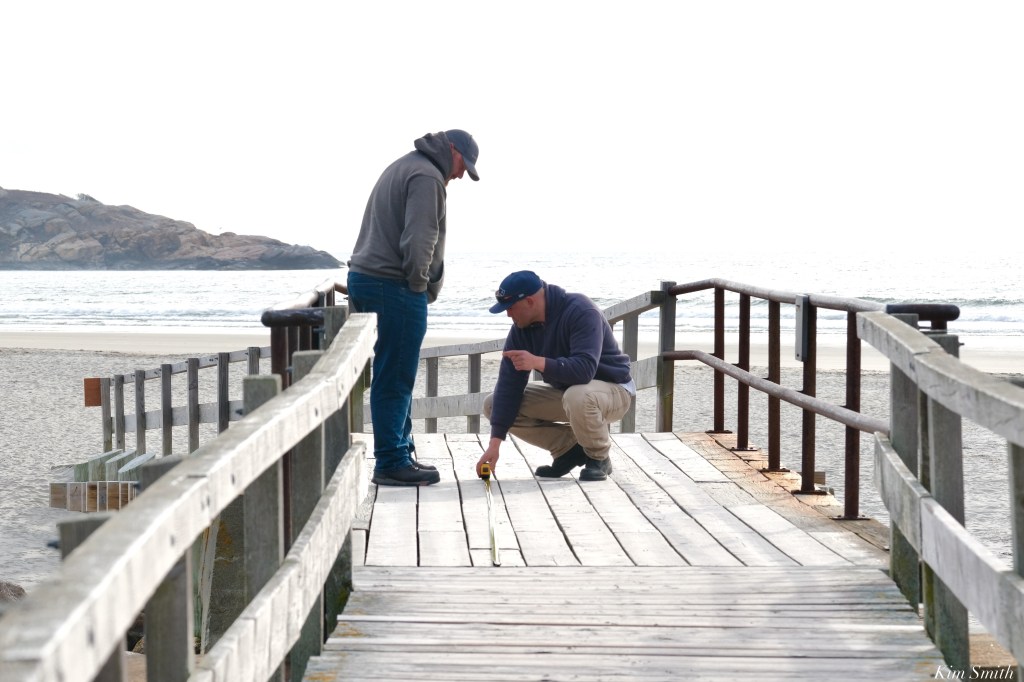
Second bit of good news is that the DPW crew is at the beach now as I write this, installing the roping. Unfortunately, we do not yet know if Audubon is going to be working at GHB this summer. Trying to obtain a clear answer has been challenging.

I apologize for the delay in letting you all know and thought it best to wait until the symbolic fencing went up and they had a safe zone.

If you would like to join us this summer volunteering as a Piping Plover Ambassador, please leave a comment in the comment section or email at kimsmithdesigns@hotmail.com.

I am working non stop on the PiPl documentary through Friday, when it goes back to the film finishing editors in Boston. I won’t be able to respond to emails until Saturday, unless it’s a PiPl emergency 🙂

Happiest of Springs ❤

xoKim

P.S. I just dropped off a batch of cheery Plover Peep yellow tees and onesies at Alexandra’s if you are in need of an Easter gift 🙂

ENDANGERED SPECIES ACT AT 50 YEARS OLD!

This year marks the 50th anniversary of the Endangered Species Act. In its first 50 years, the ESA has been credited with saving fully 99% of listed species from extinction, thanks to the collaborative actions of federal, state, and local agencies, Tribal governments, conservation organizations, and private citizens. Read here for some very notable successes. 

Bald Eagle Soars Over Gloucester

From the US Department of Interior, “The Act has saved hundreds of species from extinction and continues to protect and preserve some of our most beloved animals and plants. It has also helped to create a better understanding of how human activities can impact the environment and how we can work together to protect it. Perhaps most importantly, this anniversary is a reminder that conservation efforts are essential for stemming the worsening impacts of climate change, protecting biodiversity and preserving our planet for ourselves and future generations.”

Did you know that when the ESA first listed the Piping Plover, in 1985, there were fewer than 4,000 breeding pairs nationwide? Today, in Massachusetts alone, we are currently hosting over 1100 nesting pairs. Our PiPl Friends at the New York City Plover Project were recently featured in “Ten Stories of Hope: The Endangered Species Act at 50” a new report by the Endangered Species Coalition. To read more about Plovers and all of the stories of hope,  you can download a pdf of the article here.

Building on the success of Piping Plovers in recovery, please consider making an end of the year tax deductible donation to our ongoing documentary funding efforts for The Piping Plovers of Moonlight Bay. Your contribution goes directly to the cost of finishing the film and is absolutely invaluable!

Donate here to our Network for Good online fundraiser .

We are deeply appreciative of every gift given, small and large. For large contributions, your name and organization’s logo is prominently displayed at the beginning and end of the film, with opportunities for up to 30 second promotional spots.  Please feel free to call or write with any questions regarding sponsorship. 

With gratitude to the following PiPl friends for their kind contributions – Lauren Mercadante (New Hampshire), Jennie Meyer (Gloucester), Alice and David Gardner (Beverly), JoeAnn Hart (Gloucester), Kim Tieger (Manchester), Joanne Hurd (Gloucester), Holly Niperus (Phoenix), Bill Girolamo (Melrose), Claudia Bermudez (Gloucester), Paula and Alexa Niziak (Rockport), Todd Pover (Springfield), Cynthia Dunn (Gloucester), Nancy Mattern (Albuquerque), Marion Frost (Ipswich), Cecile Christianson (Peabody), Sally Jackson (Gloucester), Donna Poirier Connerty (Gloucester), Mary Rhinelander (Gloucester), Jane Hazzard (Georgetown), Duncan Holloman (Gloucester), Karen Blandino (Rockport), Duncan Todd (Lexington), Sue Winslow (Gloucester), Amy Hauck-Kalti (Ohio), JoAnn Souza (Newburyport), Karen Thompson (San Francisco), Carolyn Mostello (Rhode Island), and my sweet husband Tom 🙂

The art of camouflage – one-day-old chicks

Good Morning Sweet Chick!

Dear Piping Plover Friends,

I hope you are having a joyous holiday season.  If you live in the area, please be sure not to miss Gloucester’s Lobster Trap Tree. It’s extra magnificent this year, with 400 traps to honor Gloucester’s 400th anniversary. The tree is fancifully decorated with hundreds of buoys hand painted by local kids. Very generously, the traps for the tree were permanently given to the community by Jim Knott, CEO of Riverdale Mills, with the labor for making the traps donated by Brooks Trap Mill. Every year  the tree is built by David Brooks, Shawn Henry and a fantastic group of local volunteers.

The clip is of a young Plover chick and his Dad. I love watching the little ones pop up from the warming wings of an adult. You never know what direction they are going to zoom off to but often enough, they stretch their tiny developing winglets and give a yawn after emerging from thermo-snuggling.

This is just one of hundreds of clips from our forthcoming documentary. Film finishing editing is going beautifully and we are planning to have a cut ready to submit to festivals in January.

Please consider making an end of the year tax deductible donation to our ongoing film funding efforts. Your contribution goes directly to the cost of finishing the film and is absolutely invaluable!

Donate here to our Network for Good online fundraiser .

We are deeply appreciative of every gift given, small and large. For large contributions, your name and organization’s logo is prominently displayed at the beginning and end of the film, with opportunities for up to 30 second promotional spots.  Please feel free to call or write with any questions regarding sponsorship. 

With gratitude to the following PiPl friends for their kind contributions – Alice and David Gardner (Beverly), JoeAnn Hart (Gloucester), Kim Tieger (Manchester), Joanne Hurd (Gloucester), Holly Niperus (Phoenix), Bill Girolamo (Melrose), Claudia Bermudez (Gloucester), Paula and Alexa Niziak (Rockport), Todd Pover (Springfield), Cynthia Dunn (Gloucester), Nancy Mattern (Albuquerque), Marion Frost (Ipswich), Cecile Christianson (Peabody), Sally Jackson (Gloucester), Donna Poirier Connerty (Gloucester), Mary Rhinelander (Gloucester), Jane Hazzard (Georgetown), Duncan Holloman (Gloucester), Karen Blandino (Rockport), Duncan Todd (Lexington), Sue Winslow (Gloucester), Amy Hauck-Kalti (Ohio), JoAnn Souza (Newburyport), Karen Thompson (San Francisco), and my sweet husband Tom 🙂

Thank you so very much for your support and for seeing the tender beauty in the life story of the Piping Plover.

Very best wishes,

xxKim

https://filmmakerscollab.networkforgood.com/projects/55077-filmmakers-collaborative-the-piping-plovers-of-moonlight-bay