Dear PiPl Friends,
The anticipated update for the 2025 season with these most beautiful and most vulnerable of mini beach friends I feel is finally ‘safe’ to write. I only write safe because we try very hard to find a balance between sharing information to help create an awareness about the Plovers and also not bringing too much attention to the nesting birds.
First off I would like to thank our outstanding crew of kind-hearted volunteers, especially our core group who sign up for shifts that are an hour or longer and come everyday. This summer we had a very extended season with the chicks (more about that below) yet despite that, they stuck it out to the very end. Thank you to Jennie Meyer, Paula and Alexa Niziak, Kim Bouris, Steve Spina, Sandy Barry, Deborah Brown, Barbara Boudreau, Jill Ortiz, and Marty Coleman. We’d also like to thank our subs Heidi, Velia, Sally, and Jonathan.
If you see these kind and caring people around town, please thank them for their dedicated wildlife conservation work that they do so graciously and so tirelessly.
Thank you to Lyra Brennan, Rose Caplan, Jamie Infanti, and all our Audubon partners. We saw a great deal of Emma this summer and she is wonderful, staying extra long hours in the summer’s heat to watch over the chicks. Audubon does such great work and are responsible for not only Good Harbor Beach, but many other shorebird nesting areas all along the Massachusetts coastline. We appreciate their thoughtful and action oriented responses so much, especially when it comes to some of the more serious issues that arise over the course of the season. With thanks and gratitude to Lyra, Rose, Jamie, Will, Emma, Charles, and Claudia.
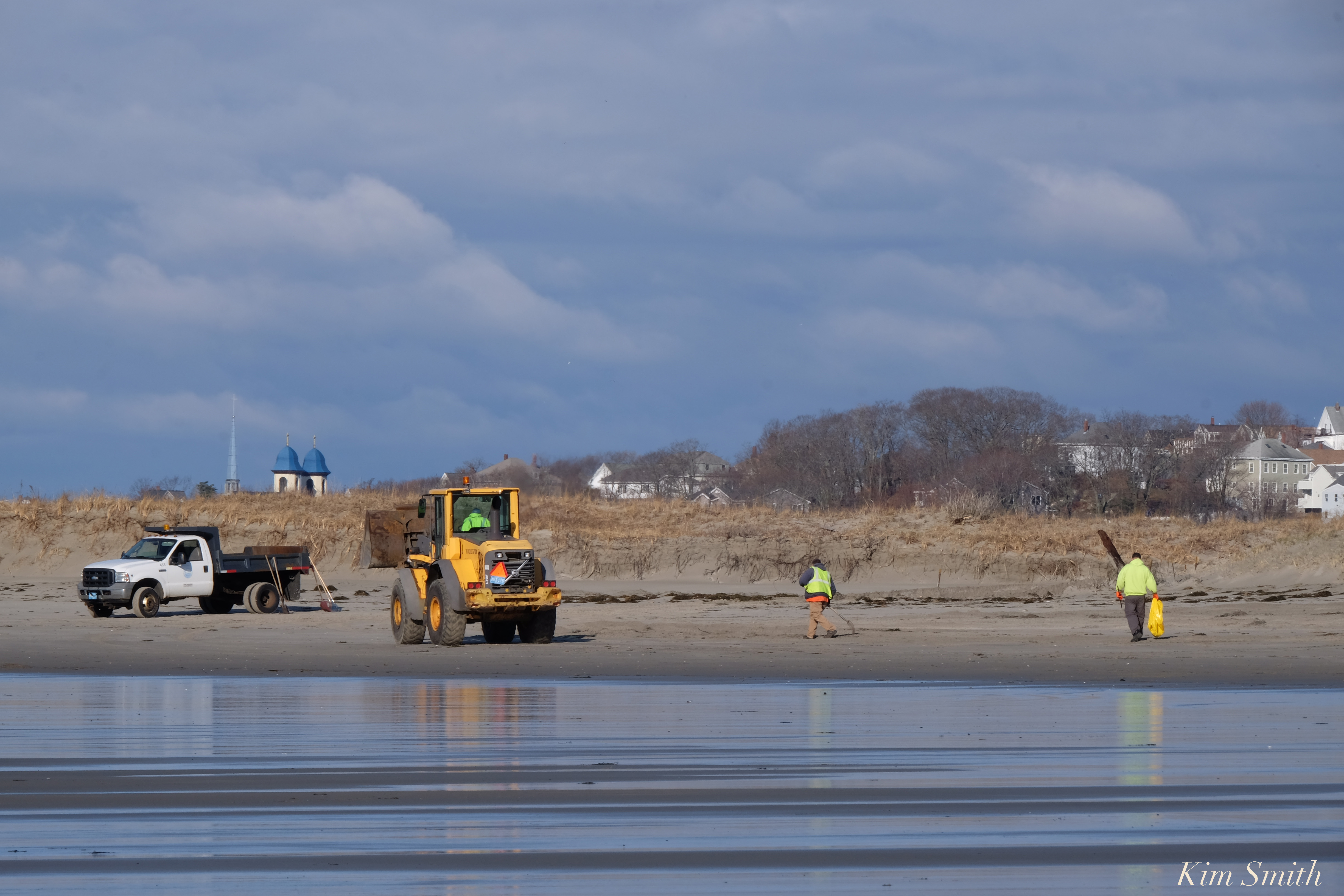
Thank you also to Gloucester’s Joe Lucido, Tom Nolan, and the entire DPW Crew. These guys are amazing and are always working so hard to make our beaches safe and presentable. Despite the double load imposed on the Crew (because of the additional work they are doing during the garbage strike), they are ever present and so very much appreciated.
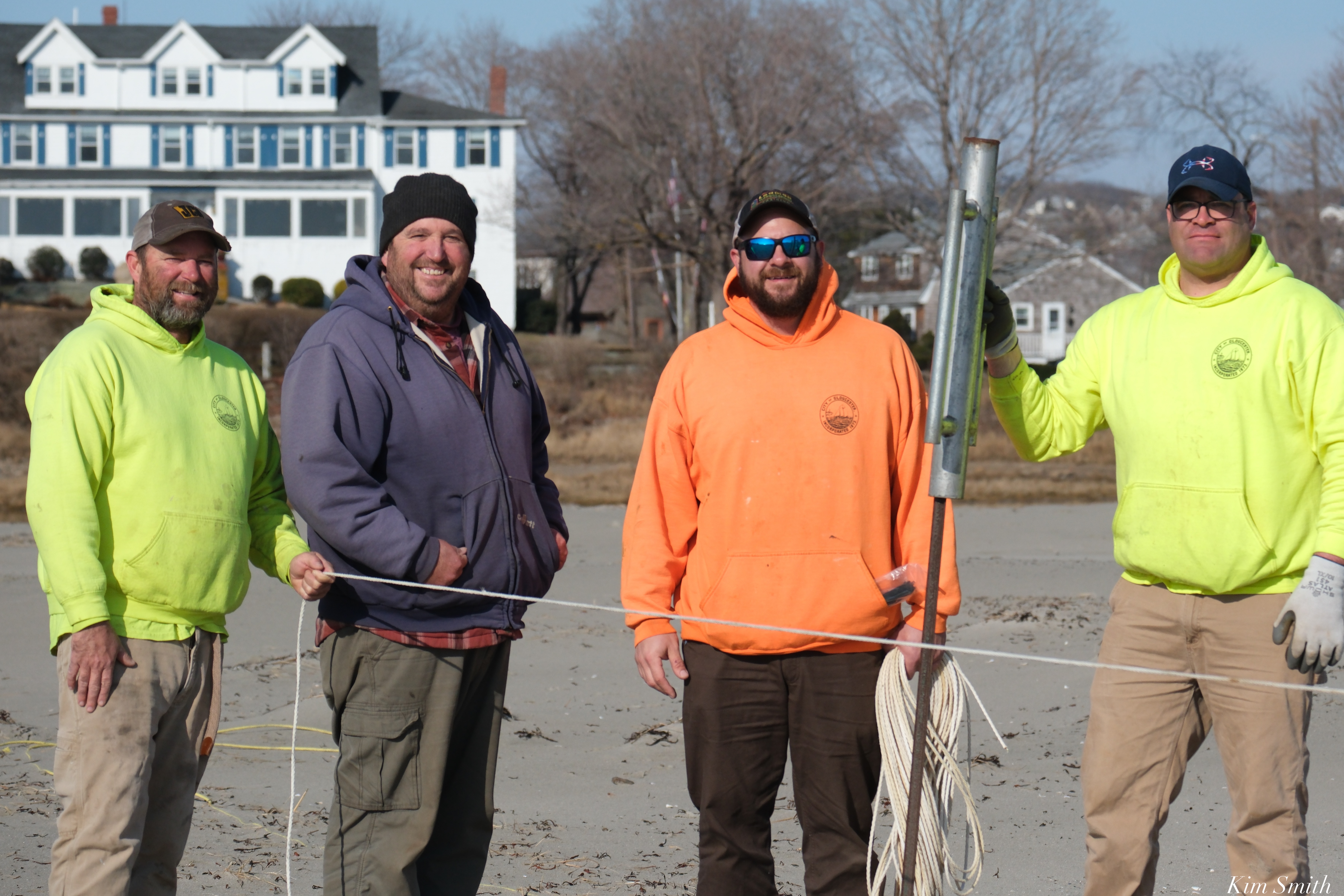
DPW Crew setting the roping in place n March
We’d also like to thank several gentlemen who are at GHB nearly every single morning, starting in the spring. While most beach visitors are still sleeping, these gentlemen voluntarily pick up the plethora of garbage found littering the beach leftover from the previous day. They ensure our beaches look pristine by the time the gate opens at 8am. Chris Cefalo, his brother Fred, Michael Cook (and there is a fourth gentleman whose name I don’t know), work tirelessly cleaning the beach, from the tiniest bits of plastic to hauling off the larger items like chairs, tables, umbrellas, and tents. If you see these gentlemen around town, please thank them for the good work they do.
And a huge shout out to all the many, many beachgoers who express interest in the Plovers, want to learn more, give the chicks lots of space, and respect the cordoned off areas.
Piping Plover Smooshies
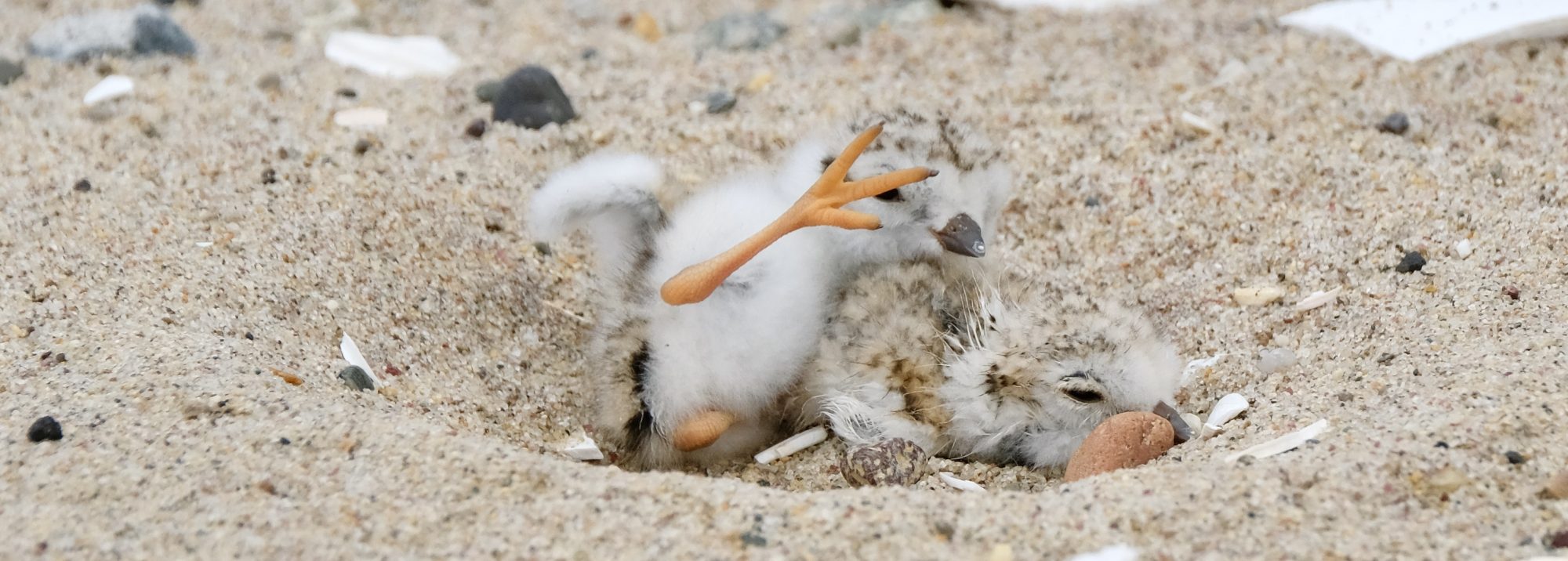
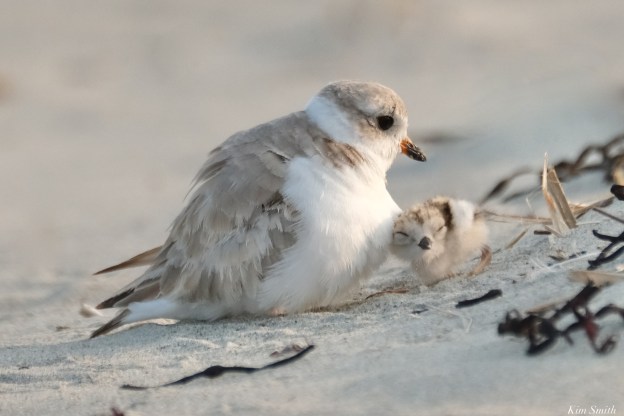
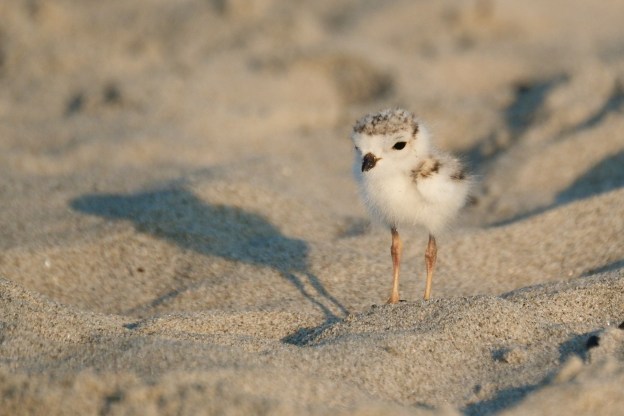
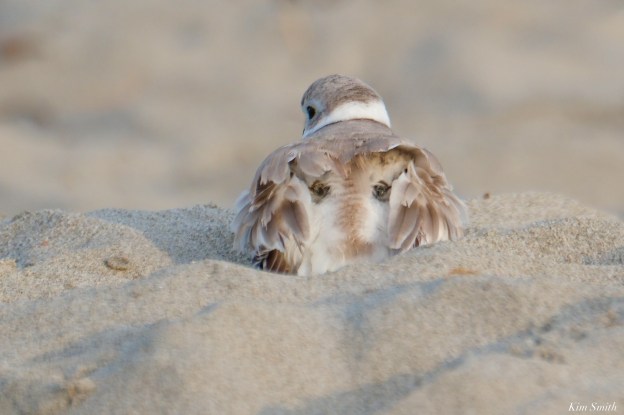
One of the many gifts we receive as Plover Ambassadors is watching tiny baby birds the size marshmallows develop into beautiful little flyers. The clips are of Fierce Dad and FairFeathered Mom’s offspring; the first clip is of two-day-old hatchlings, the second clip is of two-week-old chicks, and the last clips of the three- and a half-week-old chick. When Plovers hatch they can feed themselves entirely independent of the parent however, they need to thermoregulate to keep warm (otherwise known as thermo-snuggles and smooshies). The birds instinctively know to tuck under Mom and Dad’s wing to keep warm.
The 2025 Piping Plover Season at Good Harbor Beach
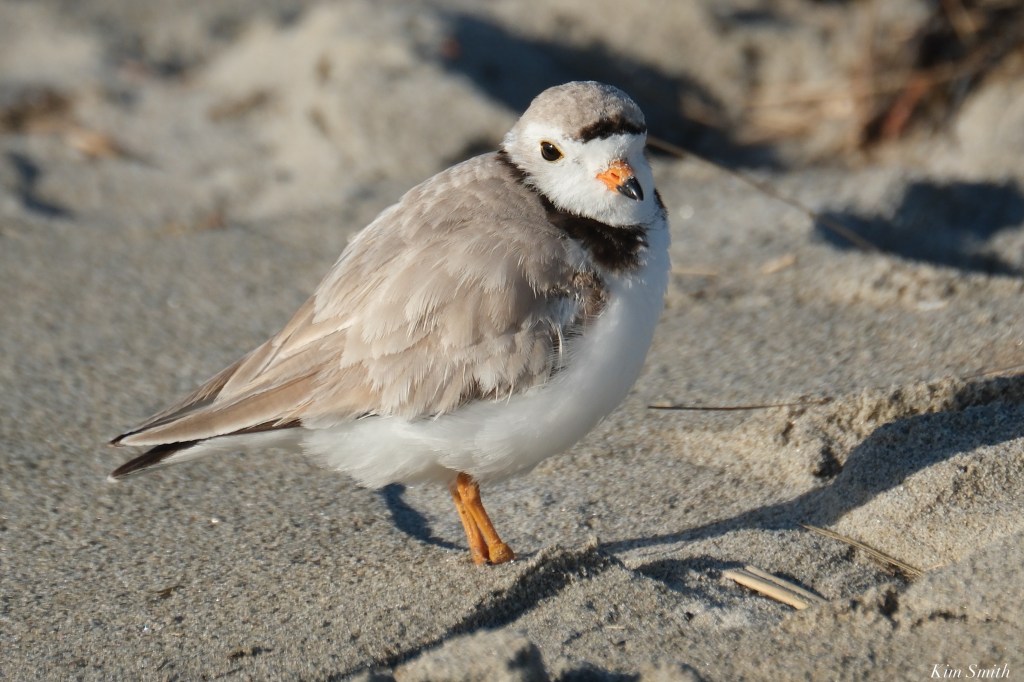
The season started phenomenally well, with the earliest arrival ever of Super Dad and our footless Handicapped Mom. Fierce Dad also arrived on the very same day as this original pair. It is always a much anticipated and joyful moment when we begin to see the first Plovers returning, especially Super Mom and Dad. This resilient little pair are at least 11 years old. We know this because they began nesting at Good Harbor Beach in 2016 and Plovers have to be at least one year old before they can begin breeding. Each year its become more and more tenuous as to whether or not we will see the return of our wonderful original pair. Plovers only live on average 3 to 5 years and this pair, at 11 years young, are quite a respectable age for their species.

Piping Plover Courtship

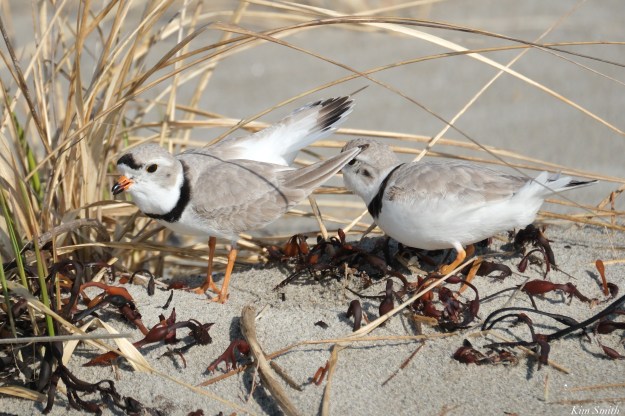
Fierce Dad and Original Dad spent a good part of the first few weeks in competition for territory and for Super Mom, with Fierce Dad even putting the moves on Mom several times. At one point we had nine Plovers, and four were nesting pairs, the most ever! There were lots of territorial disputes, some ending in serious smackdowns but for the most part, the birds began to settle in to brood their eggs.Piping Plovers Mating

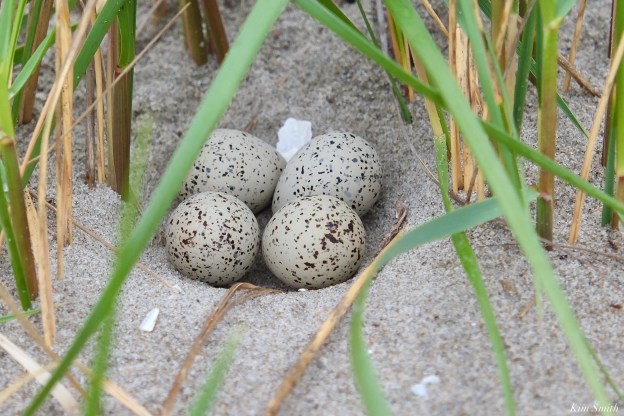
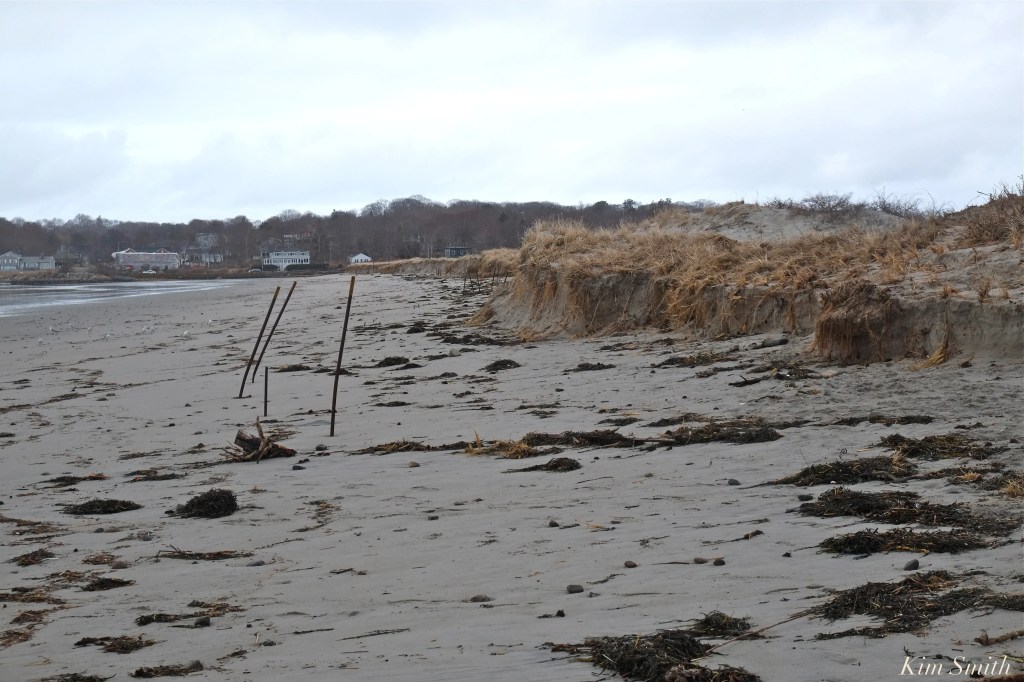
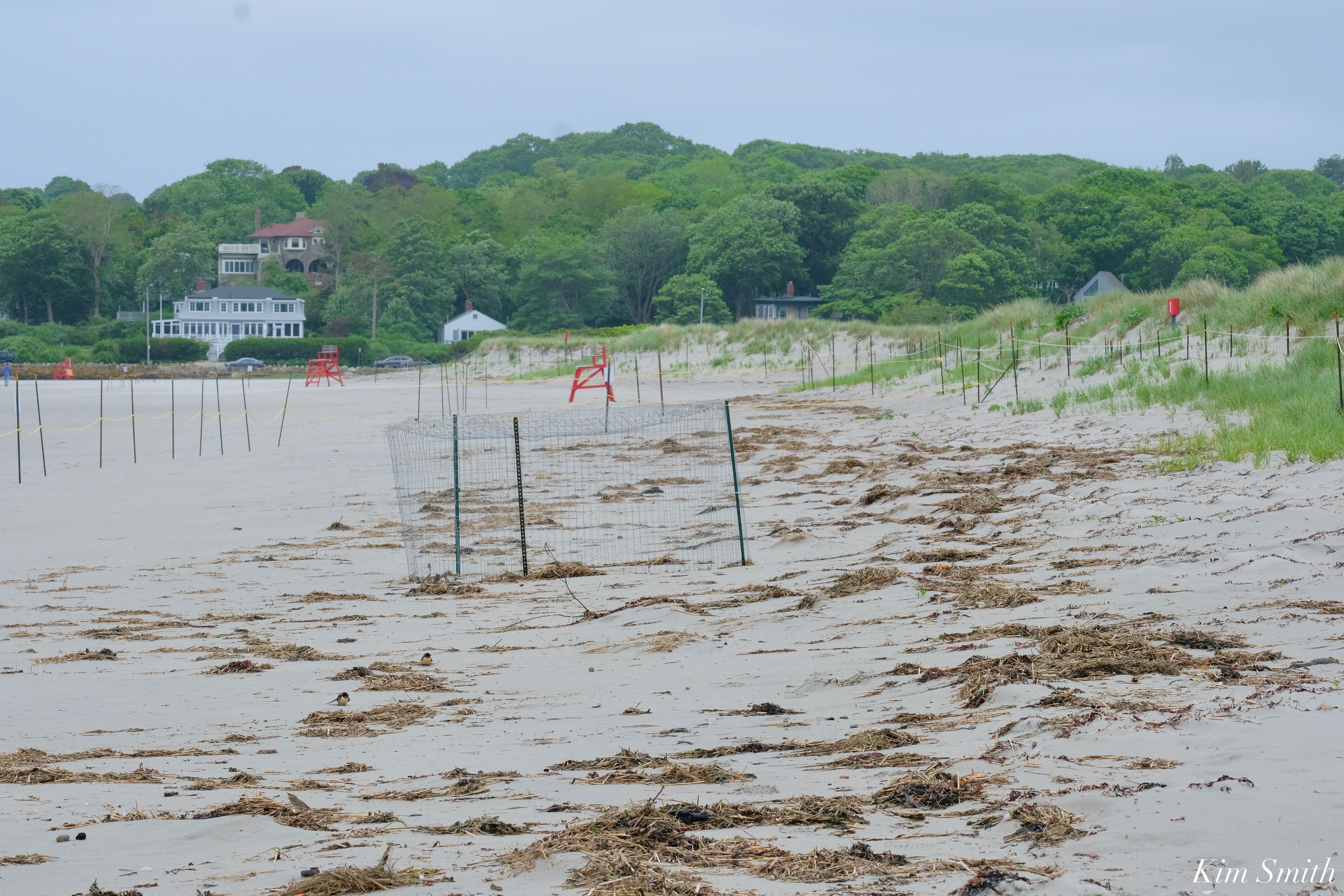
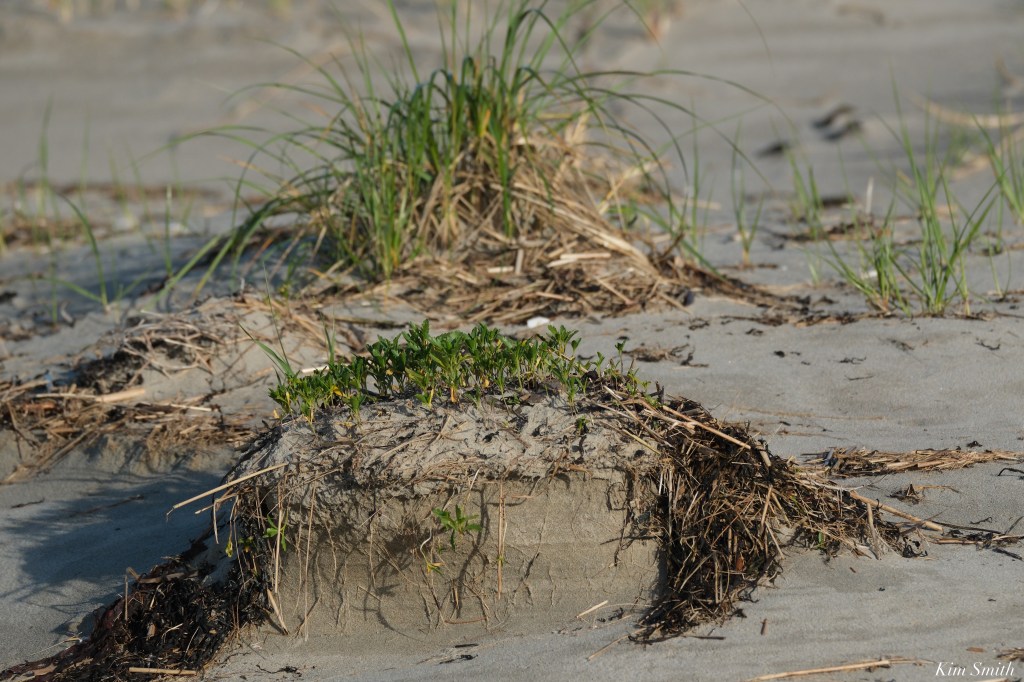
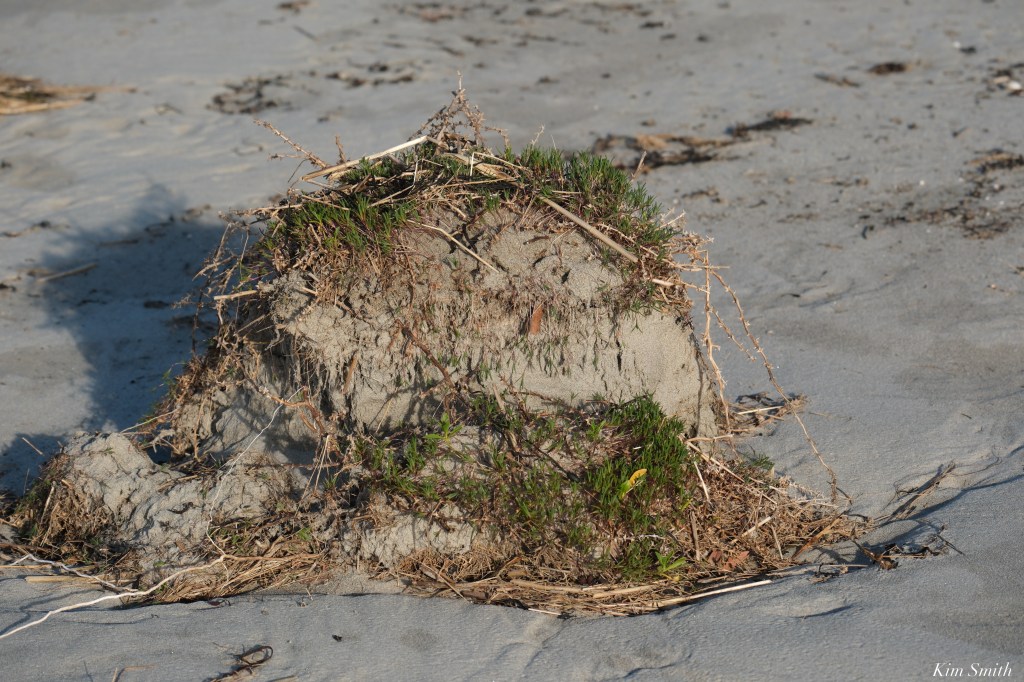
Original Mom and Dad’s clutch was nearing hatch date when on May 22nd, the coast of Massachusetts was walloped by a late season nor’easter. The tide rose higher than we have ever seen in late May and three of the four nests were washed away. As devastating as that was, it was a joy to find one remaining nest, the young parents that are a new pair to Good Harbor Beach. From their nest of three eggs, two chicks hatched.
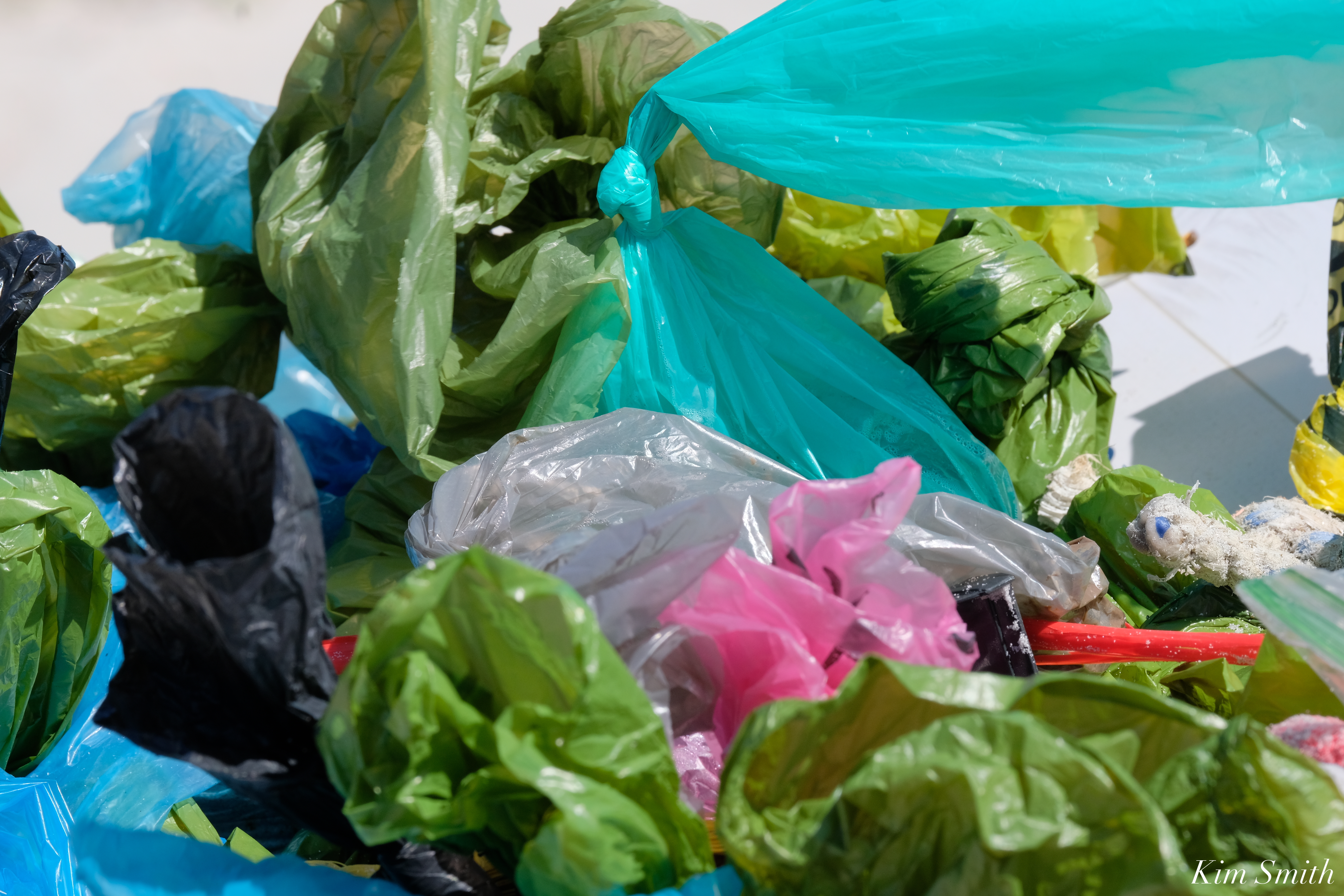
Over time original Mom and Dad attempted to re-nest. After a brief recovery period, Mom laid a new clutch of three eggs. However, this second clutch of eggs was predated by a Crow. As the season progresses there are more and more Crows and gulls scavenging the beach, seeking garbage left behind by people. We know it was a Crow from the tracks found around the nest.
Remarkably Mom and Dad laid four more eggs, a grand three clutches, 11 eggs in total. Once again, the eggs were snatched and Crow tracks were found encircling the nest scrape. Our Handicapped Mom left shortly after the third nest was lost. Super Dad hung on for a bit longer but he too departed. All was not lost as the one remaining chick from the young parents grew and developed into a lovely, albeit super chunky, fledgling and has begun its southward migration. Note – we love super chunky fledglings. They’ll have lots of stored fat reserves to get them through their first migration.
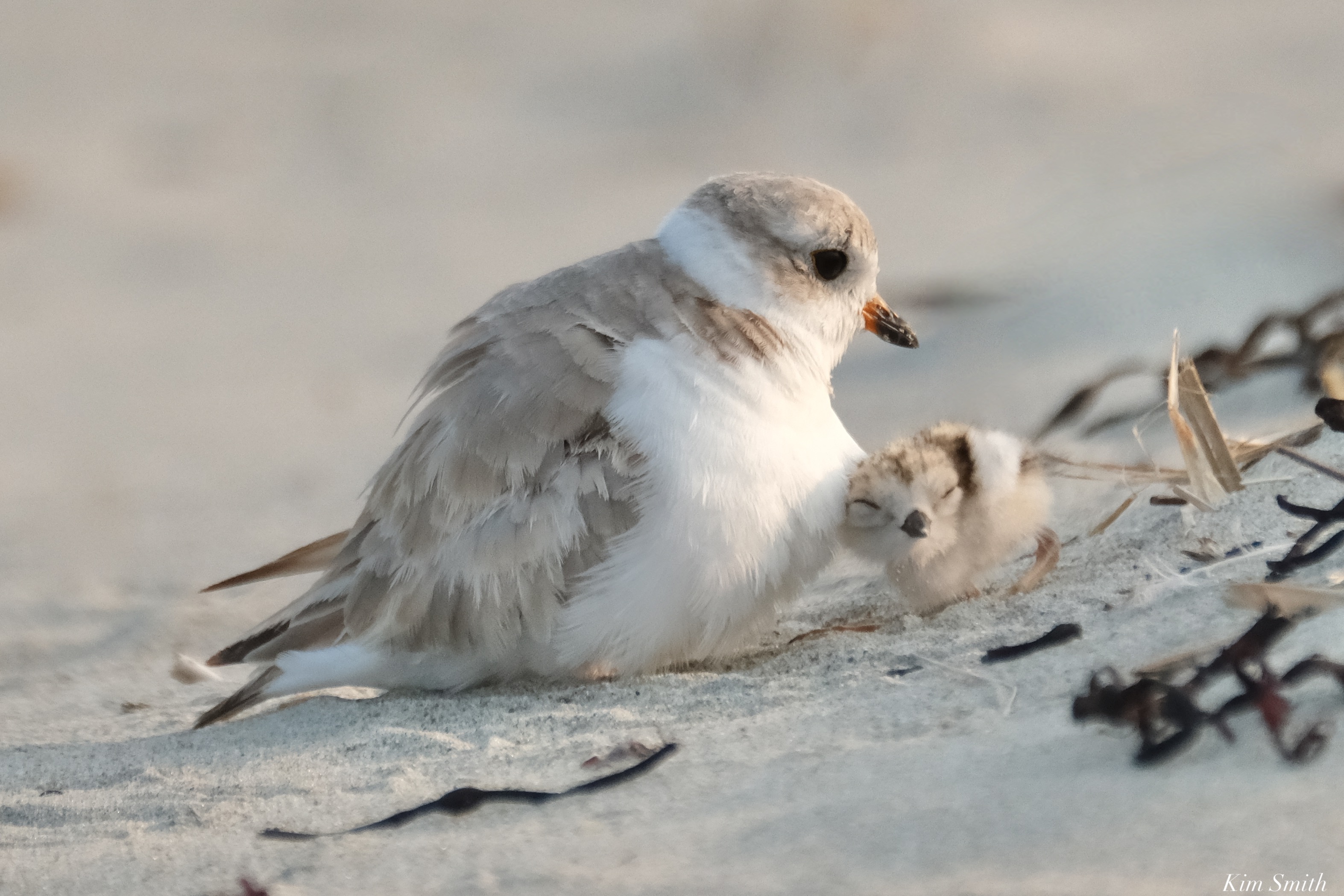
FairFeathered Mom and one-day-old hatchling

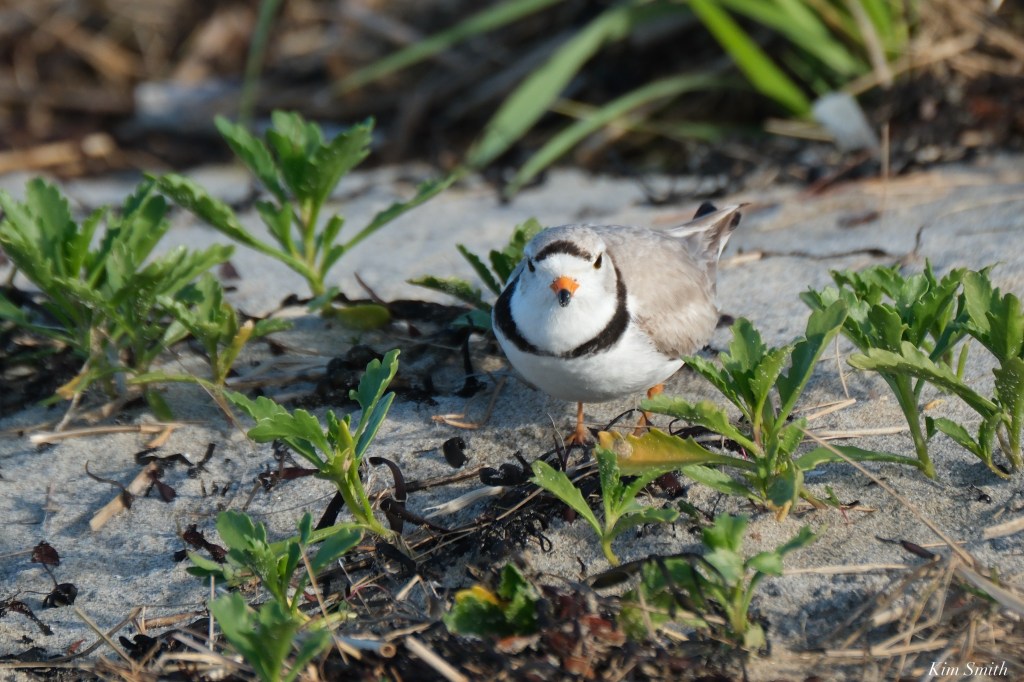
Today we still have one almost-fledged chick remaining at Good Harbor Beach. This little chunkola is Fierce Dad and FairFeathered Mom’s offspring, from their re-nest. Because the eggs hatched so late in the season and the females usually begin migrating before the males, FairFeathered Mom left when her chick was only five days old, leaving Fierce Dad to raise the chick solo. Fierce Dad has lived up to his name, fighting off every gull, crow and even other shorebirds that dare to come within 100 yards of his offspring. He is still parenting the chick who is quite independent at this point. Nonetheless, the almost fledged chick still goes in for snuggles and smooshies and relies on Dad to keep the gulls at bay.
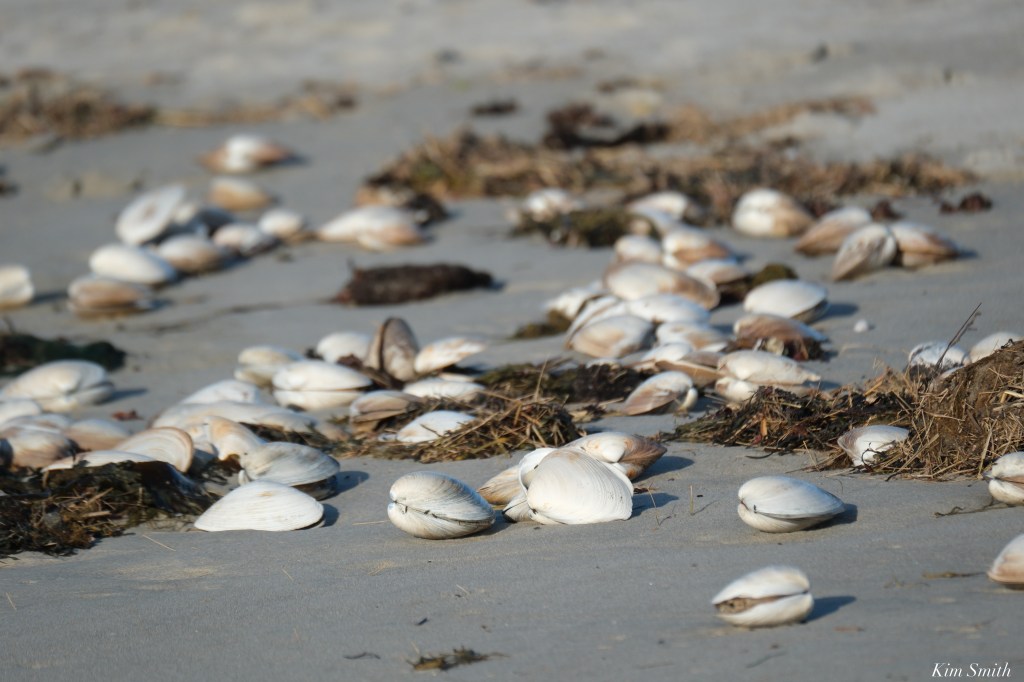
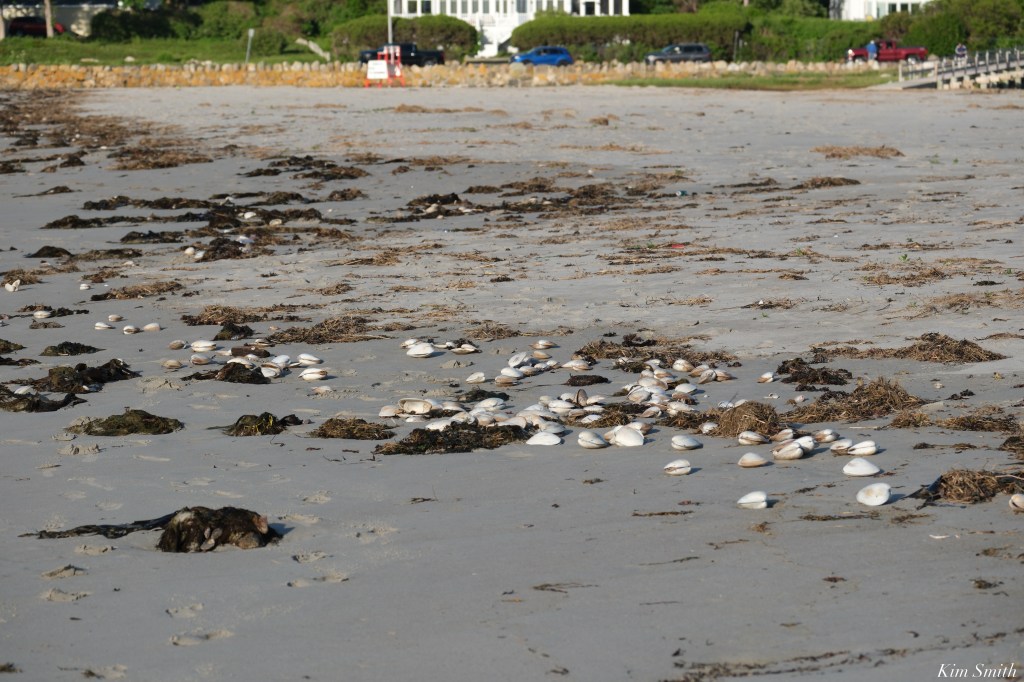
Along with a great bounty of seaweed washed in with the late May nor’easter, the seaweed was littered with zillions of pieces of small yellow and green plastic
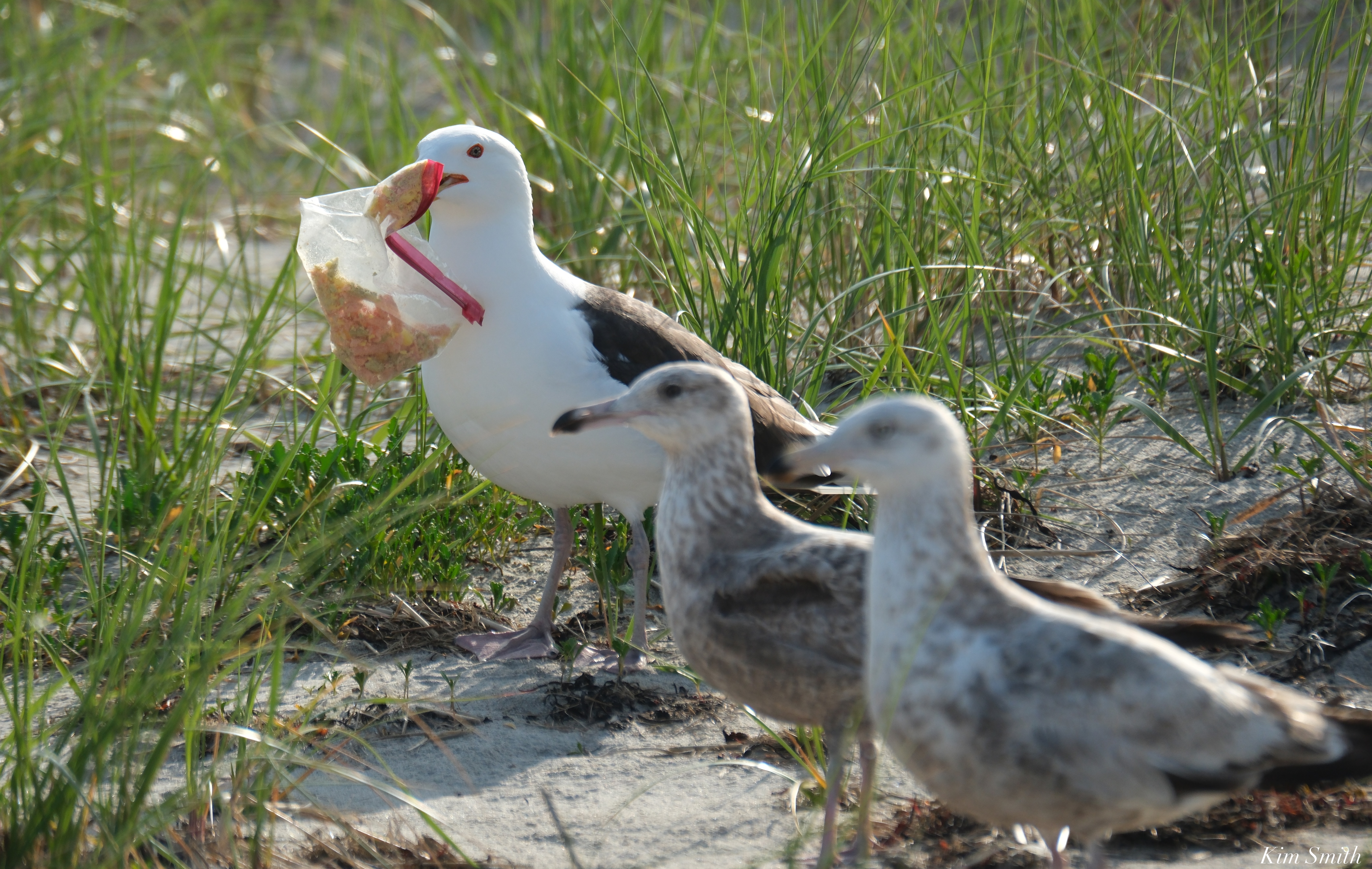
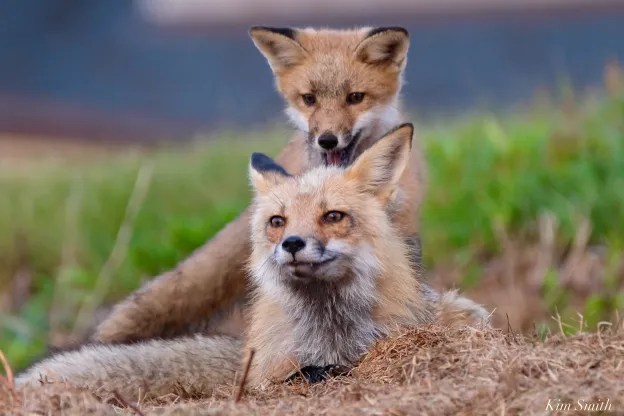
Just as has happened at GHB this summer, nests were washed out along the entire coastline of Massachusetts. With many pairs re-nesting, the conservation biologists from every Mass coastal region saw much lower productivity with these second nests, and in some cases (Super Mom and Dad), third nests. What does low-productivity mean? Not as many eggs were laid and of the eggs that were laid, fewer than usual hatched. So, for example a second clutch with only three eggs, only one or two of the eggs may hatch. And all coastal areas across the region experienced higher than usual heavy predation by Herring and Great Black-backed Gulls, Crows, and Eastern Coyotes. My own theory for that is because when chicks hatch in May for example there are far fewer flocks of seagulls on the beach. But when chicks hatch in July and August, Crows, Gulls, and Coyotes are acclimated to finding free food, i.e. garbage, at the beach, which leads to greater interest in shorebird eggs and chicks. Also at this later time in the summer, there are thousands of hungry fledglings on beaches begging their parents for food.
We are hopeful that next year we won’t have another late, late nor’easter and all the pairs that attempted to nest at GHB this season will return and try again. If you would like to join our volunteer team of Plover Ambassadors, please contact me either by leaving a comment or emailing me at kimsmithdesigns@hotmail.com. We would love to have you!
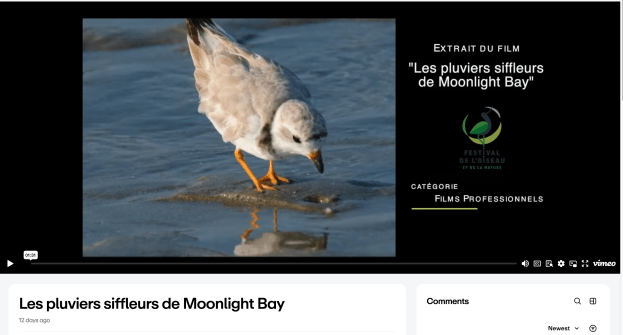
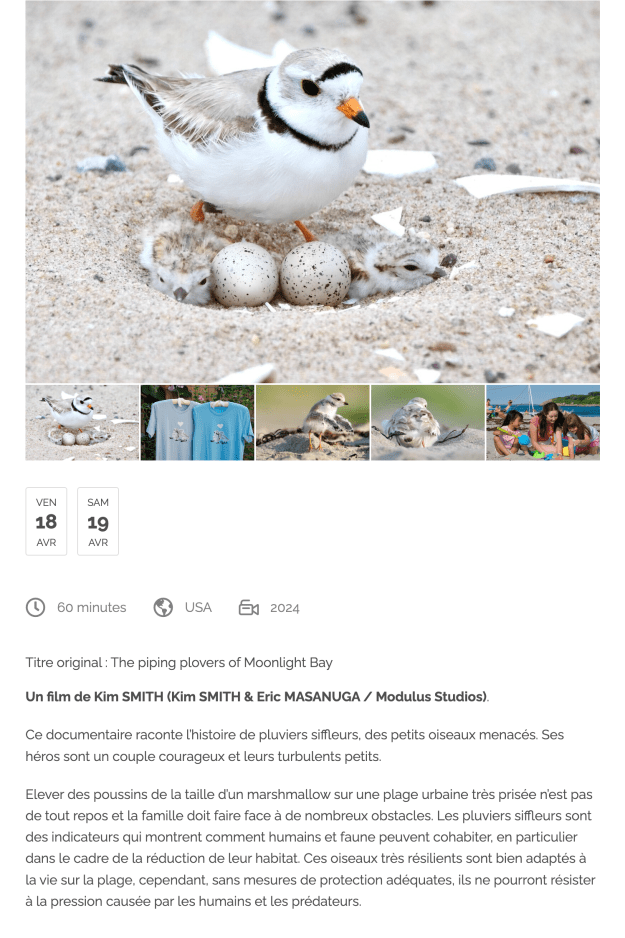
If you would like to learn more about how we can all help protect shorebird wildlife and their habitats, please watch our film The Piping Plovers of Moonlight Bay. Our documentary is streaming on the PBS Passport AP anytime you would like to watch it. Everyone can become a member of PBS Passport by donating to PBS. It’s so worthwhile, especially for young children with curious minds. What other streaming service can you get for $5.00 a month!!
















 The Piping Plover Project