Category Archives: Piping Plover Ambassador

LAUNCHING OUR PIPING PLOVER FILM FUNDRAISING EVENT TODAY!

Dear PiPl Friends,

As many of you know that while we Piping Plover Ambassadors have been looking out over Cape Ann’s PiPls, I have also been working on a documentary film about Plovers nesting in Gloucester, along with filming Plover populations found at communities all around the north of Boston coastal region. Our GHB Plovers first arrived in Gloucester in 2016 and it was evident from the very first days that they were struggling to survive under the pressures of human and pet disturbances. As we were learning how to best help the Plovers nest undisturbed, I began to document Plovers at many other beaches to learn how other communities managed their Plover populations. I focused mostly on urban beaches as they are most similar to Good Harbor Beach.

Over the course of filming, I have spent several years documenting nesting Piping Plovers pairs that are extraordinary in their parenting skills, similar to our original pair of GHB Plovers, Super Dad and Super Mom. The documentary, The Piping Plovers of Moonlight Bay, is based on true life stories and is set in a fictional Massachusetts coastal town to protect the location of the Plovers.

Today we are launching our fundraising campaign. I am very proud to share that we have received our very first grant, from the Massachusetts Division of Fisheries and Wildlife. Here is a link to our online fundraiser:

Link to our 501c fiscal sponsor Filmmakers Collaborative: https://filmmakerscollab.org/films/piping-plovers-of-moonlight-bay/
Link to the trailer: https://vimeo.com/818861213
Link to the Piping Plover Project website: https://wordpress.com/view/pipingploverproject.org

Gifts for The Piping Plovers of Moonlight Bay will support post production and distribution costs, including re-recording voiceover narration, color and sound editors, picture mastering, studio time, festival fees and applications, music and map rights, and an underwriting agent to bring the film to the wide audience of public television. Our goal is to raise $80,500.00 for post production with a total of $115,000.00 if the film is accepted to air on public television.

The names of underwriters contributing $10,000.00 and above will be proudly listed in the film’s special underwriting credit pod. What does it mean to be an underwriter? When you watch a film on public television and the announcer says (for example), “This program was made possible by gifts from Katherine and Charles Cassidy, by The Fairweather Foundation, by Lillian B. Anderson, and by The Arnhold Family, in Memory of Clarisse Arnhold,” that’s where your name, or the name of your foundation, will appear, at both the beginning and at the end of the film.

If you are interested in becoming an underwriter, please feel free to phone (978-290-3804) or email and I will be happy to send the formal proposal and budget.

All supporters, no matter how large or small the donation, will be listed on the film’s website. Any amount contributed is tremendously appreciated.

Thank you for being part of launching The Piping Plovers of Moonlight Bay!

Very best wishes,

Kim
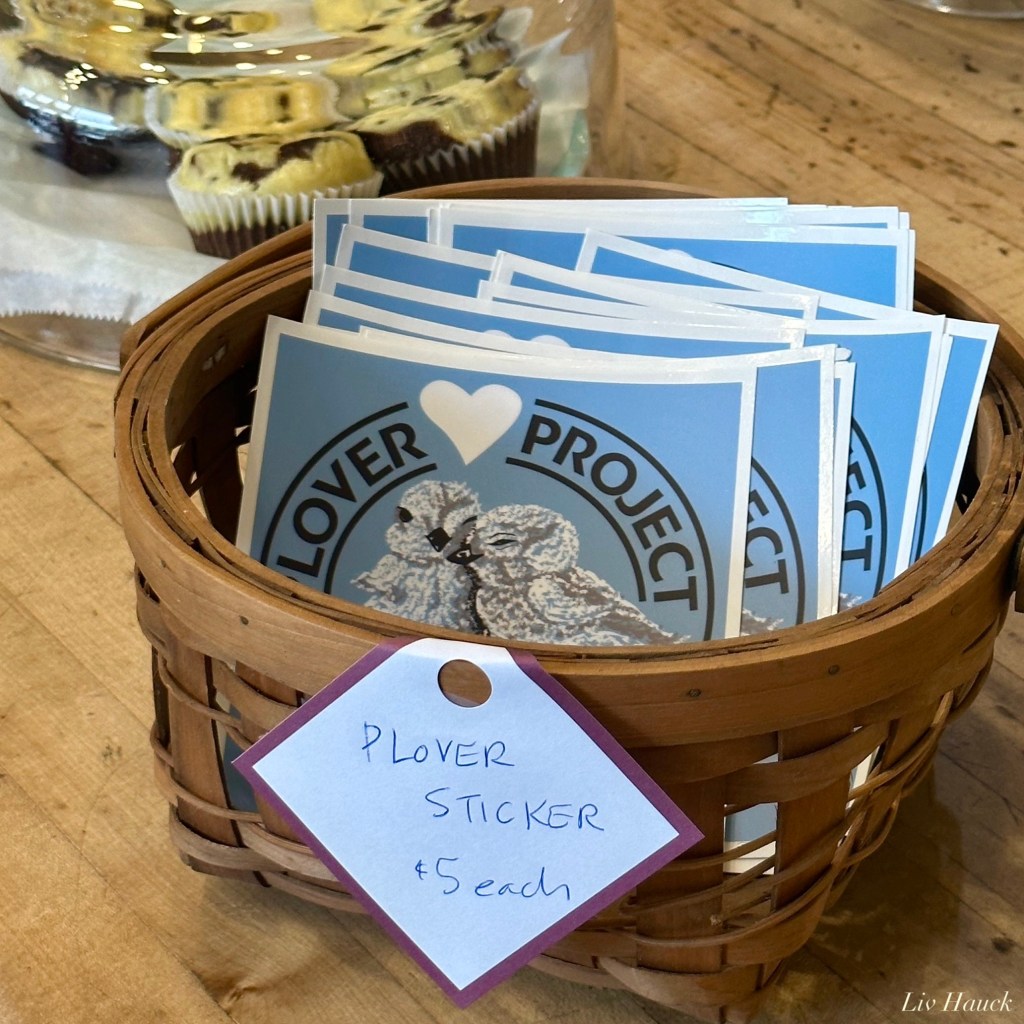
OUR CAPE ANN PIPING PLOVER STICKERS ARE IN AT ALEXANDRA’S BREAD! #ploverjoyed

Our long wished-for Cape Ann Piping Plover Project stickers/decals are now available to purchase at Alexandra’s Bread. They are beautiful, so sweet, and I think you will love them!

The stickers are the highest quality vinyl, very durable, and suitable for both indoor and outdoor use. The cost is $5.00 per sticker. Alexandra’s Bread is located at 265 Main Street, Gloucester.

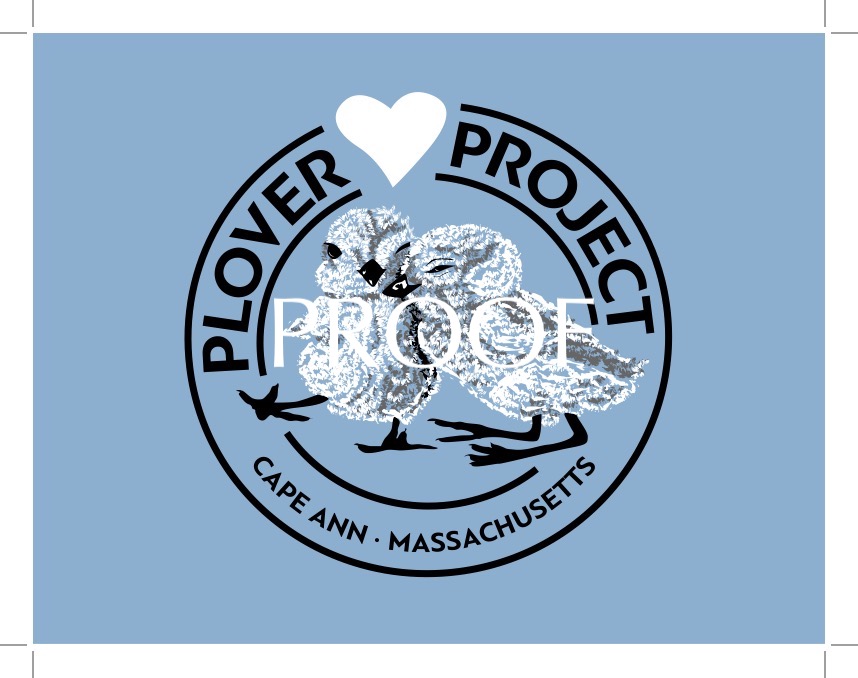
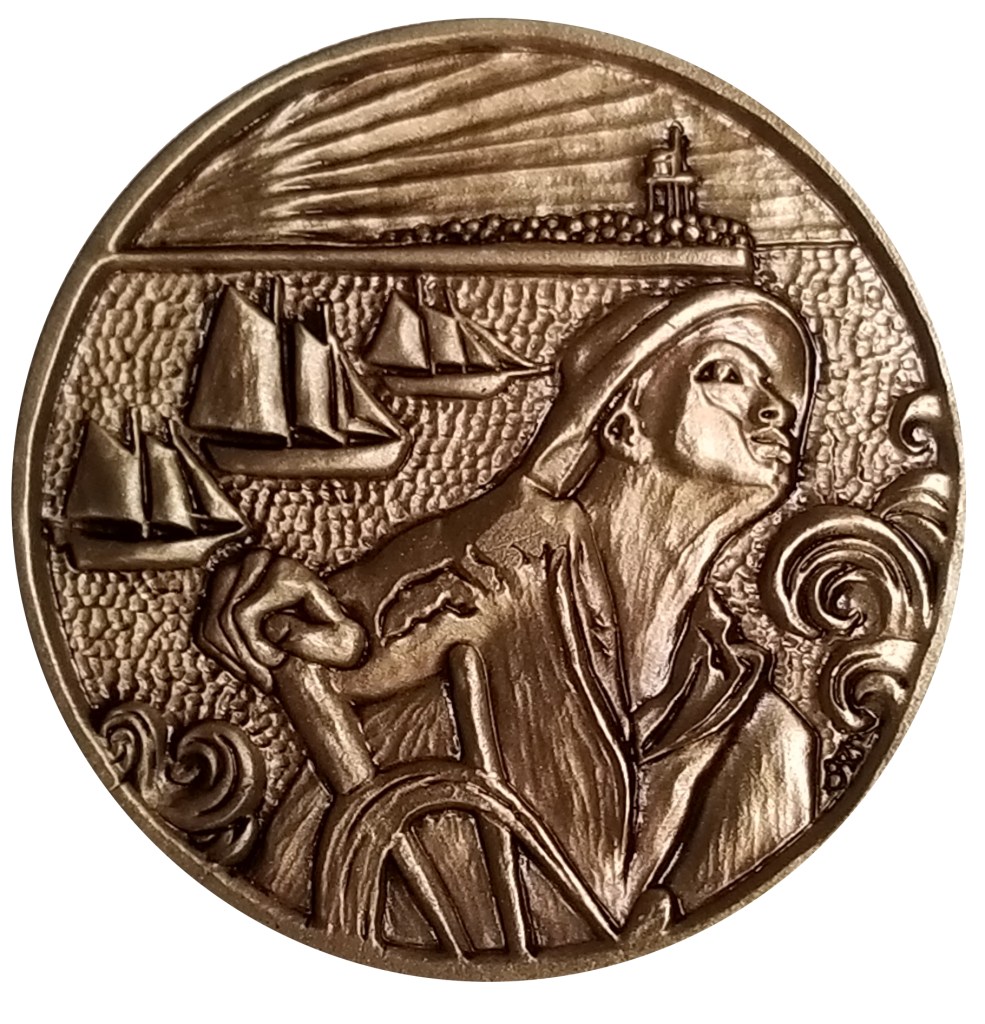
Local designer Beth Swan, who also created the Gloucester 400th commemorative medal, designed the logo. She is wonderfully talented and extremely generous and we are so appreciative of her gorgeous, thoughtful, and super fun logo. Tee shirts, with Beth’s logo, are in the pipeline and we will be featuring the tees in the coming weeks.

Beth Swan’s stunning Gloucester 400 commemorative medal

GOOD HARBOR BEACH PIPING PLOVERS FEATURED IN TODAY’S GLOUCESTER TIMES!!

Many, many thanks to Gloucester Daily Times’s writer Ethan Forman and Editor-in-Chief Andrea Holbrook for today’s story about out GHB Plovers.  Ethan always takes the time to get it right. Thank you!!!

By Ethan F orman Staff Writer

Despite the loss of some tiny chicks to storms this summer, efforts to protect the threatened piping plover shorebirds at Gloucester’s Good Harbor Beach by the Piping Plover Ambassadors and Mass Audubon were deemed a success this summer.

Three pairs of piping plovers nested at Good Harbor Beach, one more than usual.

Those watching over the piping plovers said they again spotted Super Mom, the onelegged piping plover who has been coming to the beach since 2016.

“It was fantastic in many ways,” said Gloucester resident Kim Smith, who heads up the efforts of about 20 Piping Plover Ambassadors. She believes climate change affected the piping plovers “in a funny way this year.”

“I think because of the extreme storms that we had,” she said. “We lost basically six chicks during extreme weather. That’s a lot.”

Despite the loss of those chicks, efforts to protect them and the survivors were successful, Smith said.

“We worked with Mass Audubon this year, we had many more eyes on the chicks, and if we hadn’t had those storms, we would’ve fledged

READ THE FULL STORY HERE

WHERE DO PIPING PLOVERS GO AFTER DEPARTING MASSACHUSETTS AND NEW ENGLAND BEACHES?

Dear PiPl Friends,

As our Cape Ann Piping Plovers will be departing soon, our thoughts turn to where the adults and newly minted ace flyers will spend the winter months?

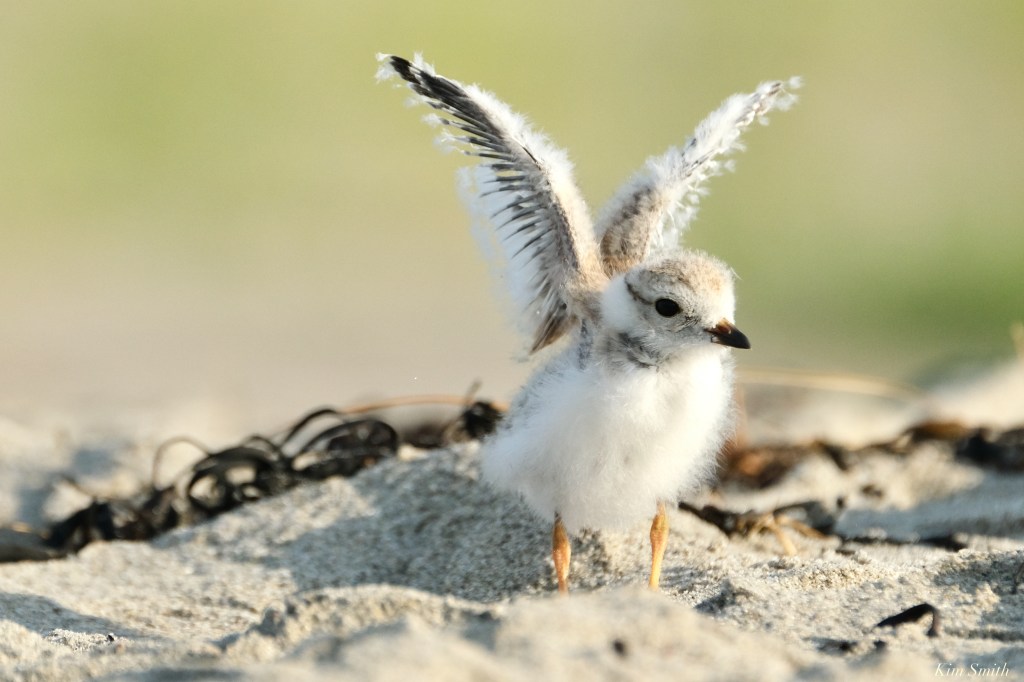
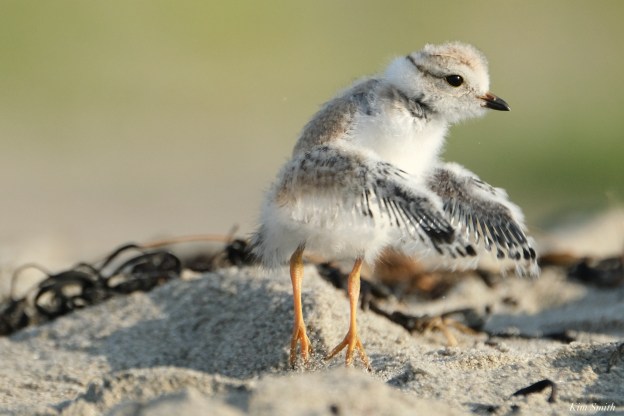
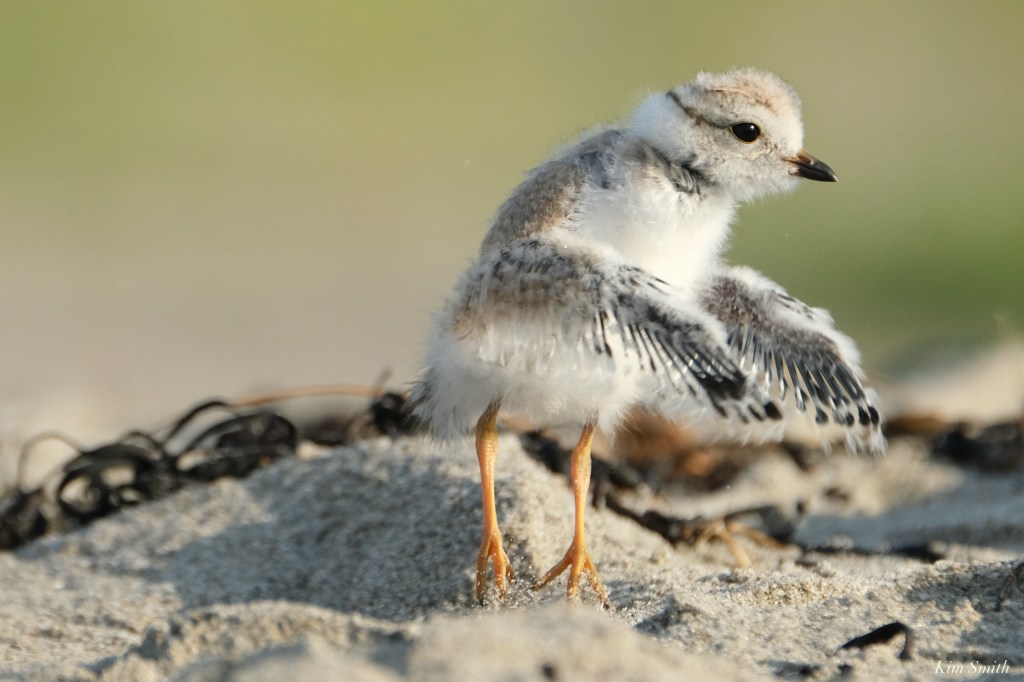
Practicing lift-off – snapshot of one of the chicks that fledged Good Harbor in July

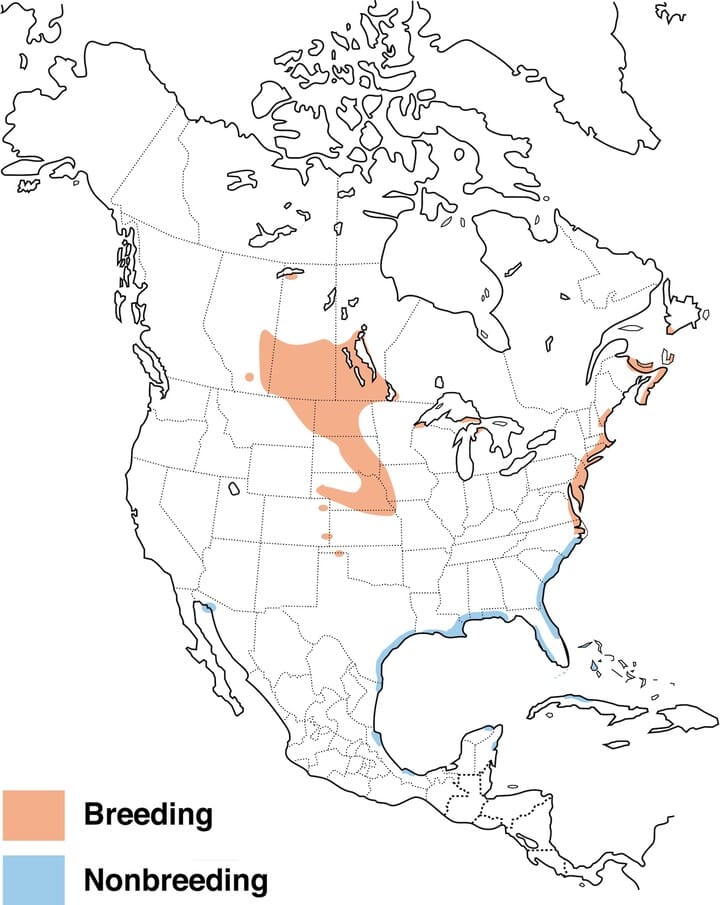
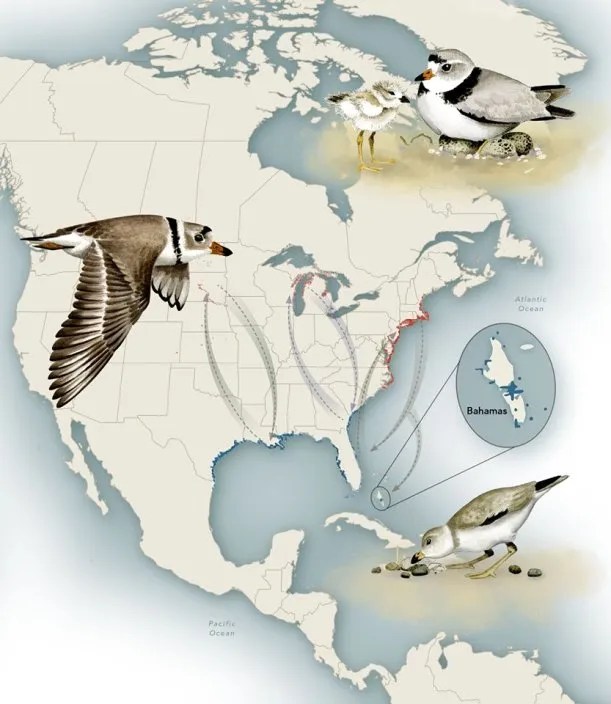
Where do Piping Plovers migrate to when they leave their northern breeding grounds?

Like all migratory species of birds (and butterflies), the chicks must first build their lipid, or fat, reserves before undertaking the journey. We know from Plover banding programs conducted at the University of Rhode Island that the majority of Massachusetts Piping Plovers fly non-stop to the outer banks of North Carolina. Here they will stage for about a month, undergoing a semi-molt, where they lose their old worn out feather and grow fresh new feathers. After fattening up for the next leg of their journey, many Plovers from the north Atlantic region migrate to the Bahamas, Cuba, and the Turks and Caicos.

Just as Piping Plovers are site faithful to their breeding grounds, so too are they are site faithful to their winter homes.

Gloucester Ambassadors First Full Week Working with Mass Audubon – June 11th Plover Lover Weekend Update

Dear PiPl Friends,

As many of our PiPl followers are aware, this year the City of Gloucester hired Mass Audubon to help manage Cape Ann’s Plover population. We’ve had our first full week of collaborating with Mass Audubon and I have to say it just could not be better for all involved, but most importantly, for the Piping Plovers! The Mass Audubon staff is tremendously professional, kind, friendly, dedicated to wildlife conservation, and very personable. Lyra, who heads the coastal waterbird program for Mass Audubon, and Devon, Gloucester’s assistant conservation agent both have a great deal of experience managing Piping Plovers and are quick to respond to questions and challenges as they arise.

A few changes have been made to the beach. The roped off Plover areas to protect the Plovers has increased, however, there is still loads of space for beachgoers. An added bonus to creating safe spaces for Plovers is that over time, we have seen how the established protected areas for the Plovers has vastly improved the overall health of the beach. Why is that? Because when people and pets aren’t recreating up against the dunes, new vegetation is allowed to take hold including native American Beach Grass (Ammophila breviligulata), American Sea-rocket (Cakile edentula), Common Milkweed (Asclepias syriaca), Beach Pea (Lathyrus japonicus) and Seaside Goldenrod (Solidago sempervirens). Protecting the dunes is one of the best coastal strategies for combating a warming climate. It’s truly a beautiful thing to see how much healthier are our dunes!

Another change that has taken place are the guidelines in how close we should stand when observing the Plovers. One of the most important ways to help the Plovers is to give them lots and lots of space. If we hover/stand/place camera gear for long periods of time pointing to the Plovers, wildlife biologists working with Mass Audubon have documented that this activity attracts Crows and Gulls! You may ask, “why is that a bad thing?” Crows voraciously eat Plover eggs and hungry seagulls eat Plovers at all stages of development, including eggs, hatchlings, and even 3 week old chicks.

The best way for we beachgoers to help the Plovers is to watch from a distance and not hover near the birds. With a half-way decent lens and a camera sensor with a good crop factor we can get beautiful shots from a safe distance. The City, Mass Audubon, and we Ambassadors are all asking this of the community and we are deeply appreciative of your help.

Piping Plover smackdown – The video is of our handicapped Super Mom. Her disability does not impede her determination nor ability in defending her territory. She is perhaps Good Harbor Beach’s most fierce Plover, despite her missing foot.

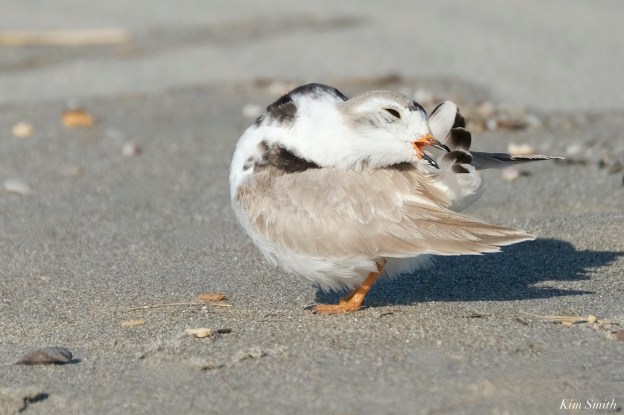
Piping Plovers ferociously defend their nesting territory from intruders of every shape and size; puffing up their feathers to appear larger, chasing, and even biting the offender. Here she is in early spring defending her little slice of Good Harbor Beach from Scruffy Boy’s shenanigans!

THE BEST PLOVER NEWS! #ploverjoyed

Hello PiPl Friends!

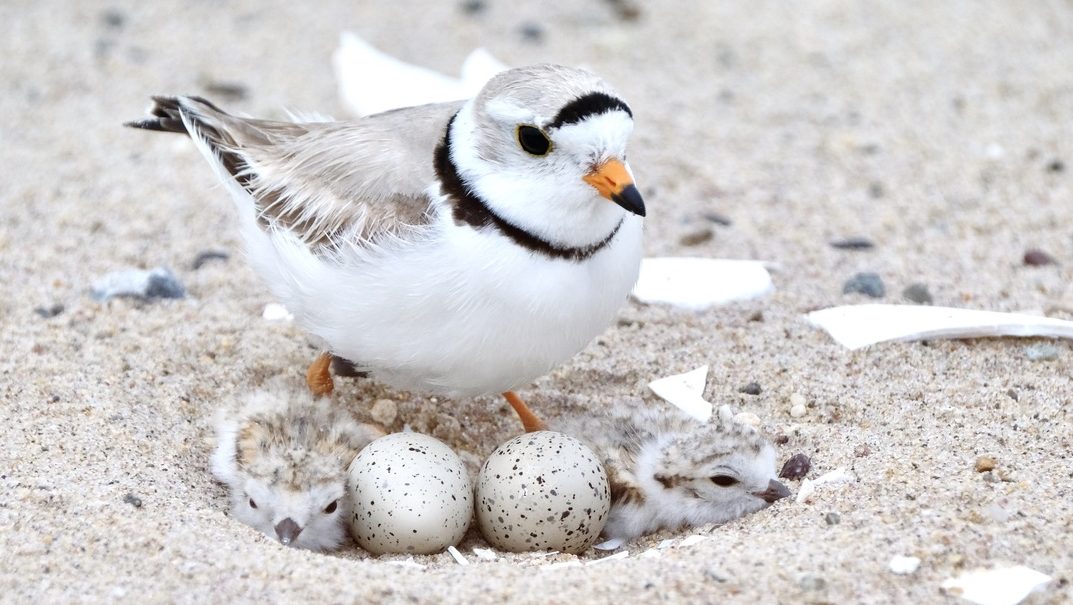
Joyful update to share – Super Dad and Handicapped Mom have done it again!! We have a nest! Our Super Couple has been nesting at GHB since 2016, making this their 8th nest in 8 years. We are so blessed to have this valiant, beautiful little pair of PiPls that call GHB their home ❤

Nesting is going more slowly at other areas of the beach. We are consistently seeing 3 males duking it out, from one end of the beach to the opposite end. The females that have stopped at GHB have not stayed long. I think we should keep a strong eye out at Cape Hedge because it is only one beach further north and because one of the females that was briefly at GHB had very pale markings, similar to the female that nested at Cape Hedge.

I am very behind in updates and apologize for that! My butterfly and native plants ABC garden for the elementary kids at Phillips Academy campus in Andover needed much attention after a period of neglect due to Covid. This past week, we had a team of FORTY EIGHT volunteers from Liberty Mutual come and help clean up the campus and dig new beds. They were beyond unbelievable. This is a program offered by Liberty Mutual to help nonprofits. Even the CEO was there pitching in, working just as hard as everyone else, digging and carting away wheelbarrows of soil. It was a whirlwind cleanup, amazing, and I am still reeling from the amount of work they accomplished.

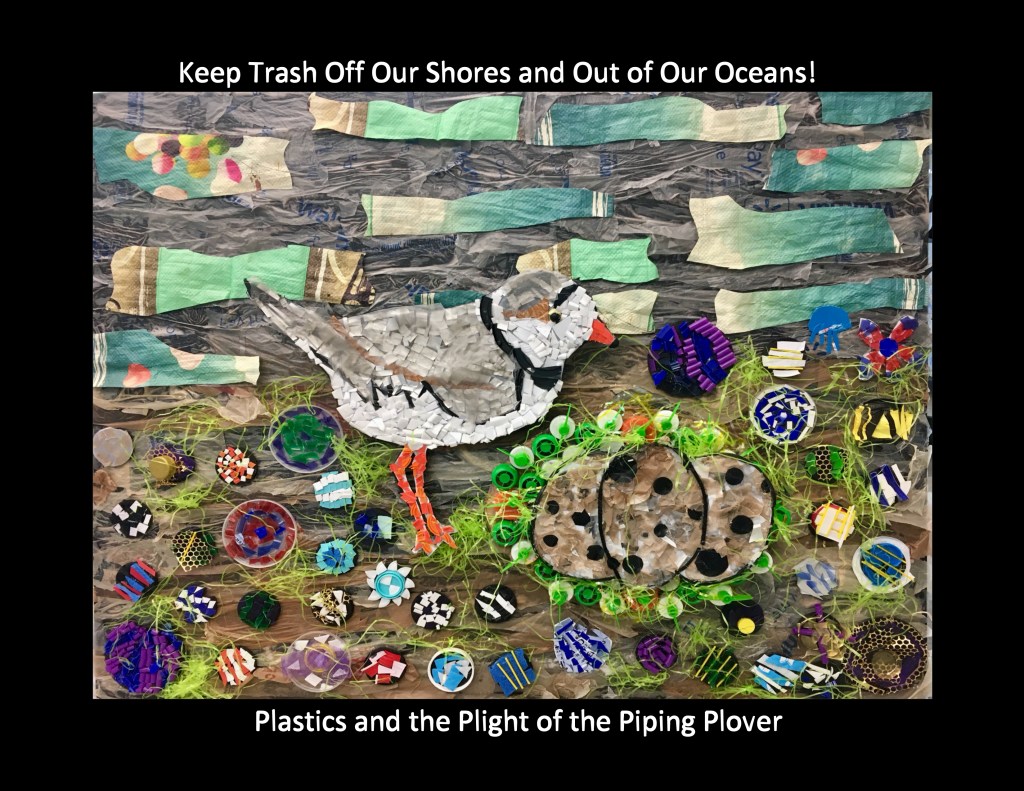
This fantastic illustration was shared by our dedicated and long-time PiPl Ambassador Jill Ortiz.

“This submission is a photograph of a poster sized piece of artwork created by students from Hanscom Primary School on Hanscom Air Force Base.
Students learned about the piping plover and the impact of plastics on shore and marine life. Students drew the bird, nest and eggs. They used plastics that were to be trashed and repurposed them to create this collage. Every student then made a shell to add to the creation.”

Happy Mother’s Day to all our PiPl Friends that are Moms!
xoxo Kim

P.S. Did you know that we have Water Snakes at nearly every body of water on Cape Ann and in Massachusetts? I did not, but became interested in learning more after seeing several while working on my pond film. May is an amazing time of year for wildlife in New England! Scroll through to see just some of the wildlife happenings taking place right here in our midst – – https://kimsmithdesigns.com/

HAPPY UPDATE FROM PLOVERVILLE #ploverjoyed!

Dear PiPl Friends,

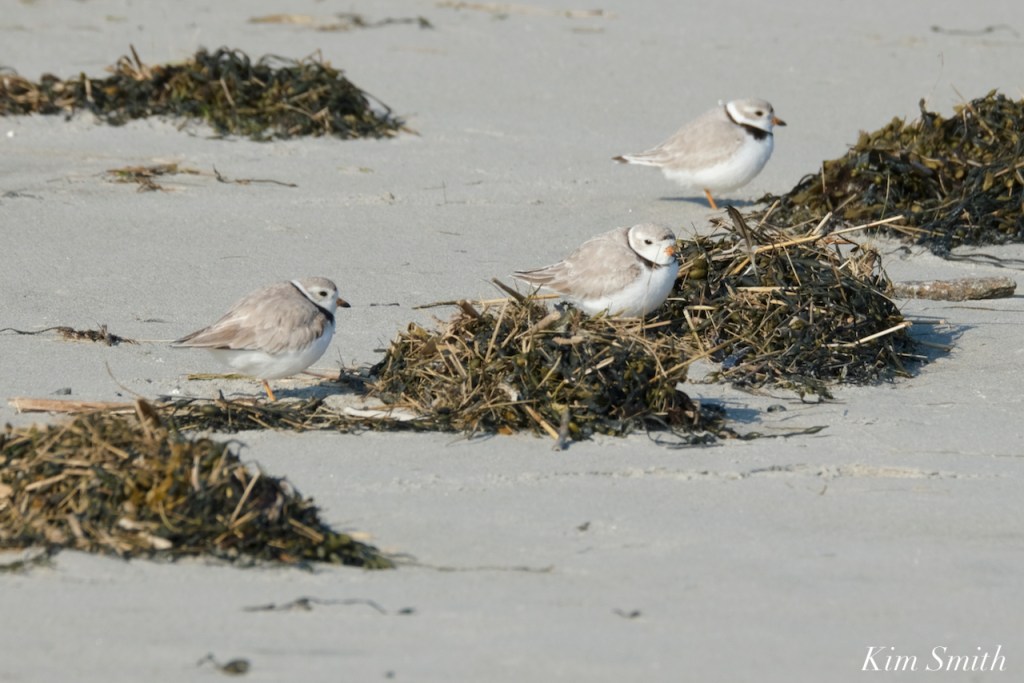
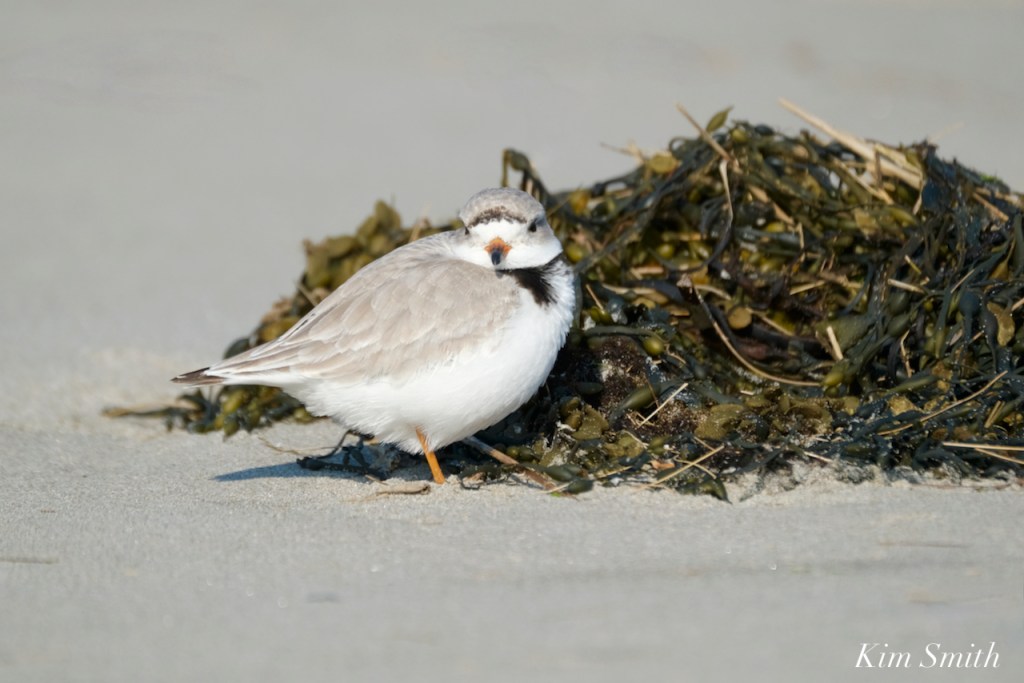
FIVE PiPls are currently on the scene! The additional two appeared Wednesday morning, as shared by ACOfficers Teagan and Jamie. I located all five yesterday afternoon. It was cold and very windy and all (except our freewheeling scruffy male), were huddled behind clumps of seaweed, on the opposite side of the incoming wind. The two newest arrivals are definitely one male, but I couldn’t tell conclusively if the other was a very light male or a dark female (I hope so much he/she is a female!).

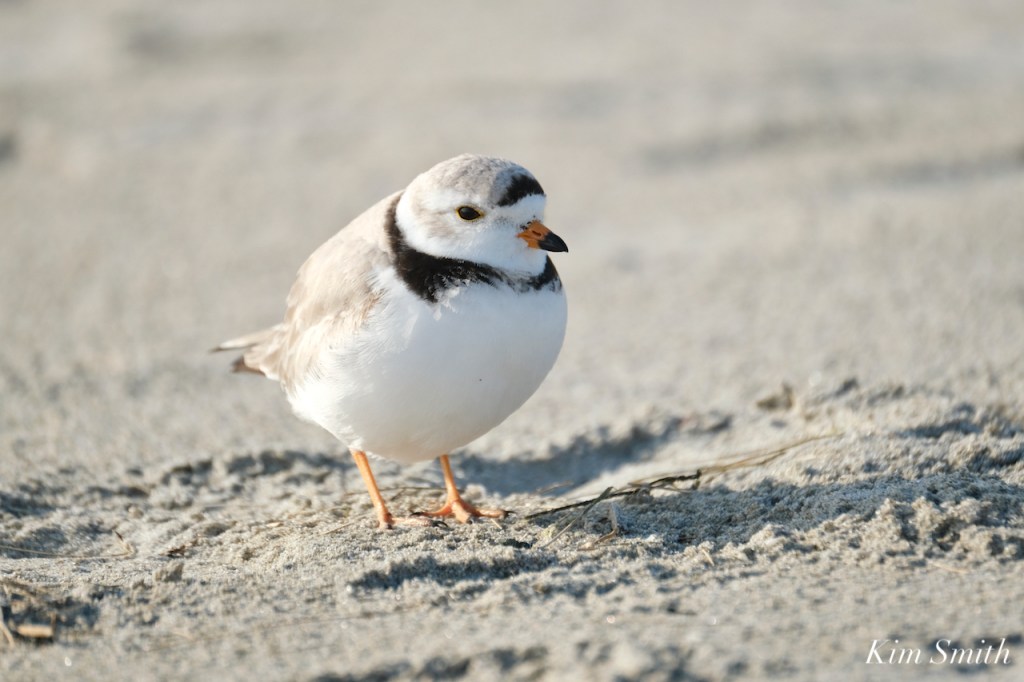
Super Mom flanked by Super Dad (left) and newly arrived PiPl, either female or male?

At first I only spotted four but then I heard a sharp peep. I thought that’s weird, the four are quietly resting, and it sounded like the peep was from behind. Where did it come from? Must be the wind playing tricks with my hearing. A few minutes later I got up to leave, and the fifth one was resting in the sand about four feet away!

We’re heading into peak spring migration so stay tuned!

Male arrived overnight 

I have been chatting with the Mass Audubon field agents in the morning and am just so inspired by these young earnest biologists, so eager to help and make an impactful difference. They are much like the field agents that I meet at DCR beaches, really kind people. I am looking forward to our Ambassadors and beachgoers meeting the Mass Audubon group!

Recently I attended a virtual meeting for the NYCity volunteer Plover ambassadors. It’s fascinating to learn how other urban beaches manage their PiPl populations, both the positive and the negative aspects. They encounter nearly the exact same responses and issues as do we. Ninety percent of their encounters are positive and people love the birds. They have the same negatives as well – namely dogs and people running through the nesting areas and dunes.

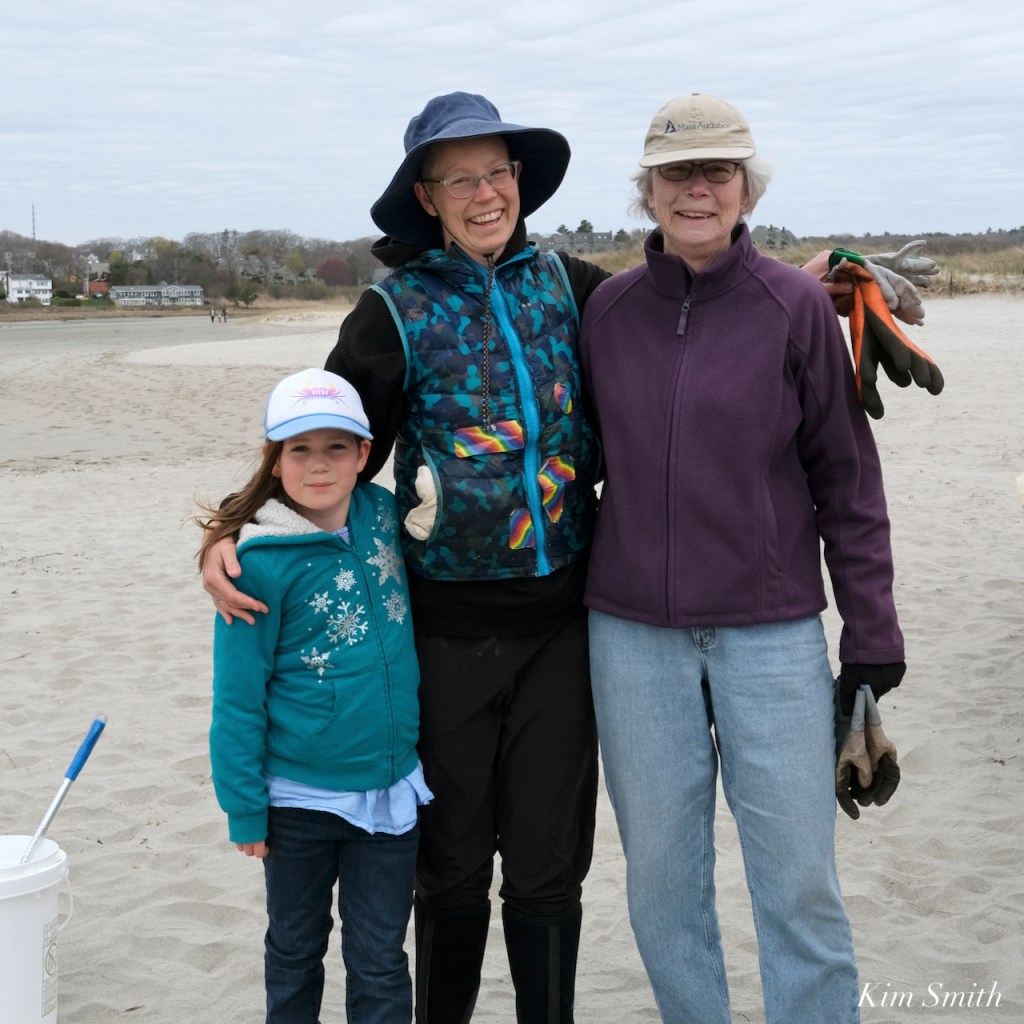
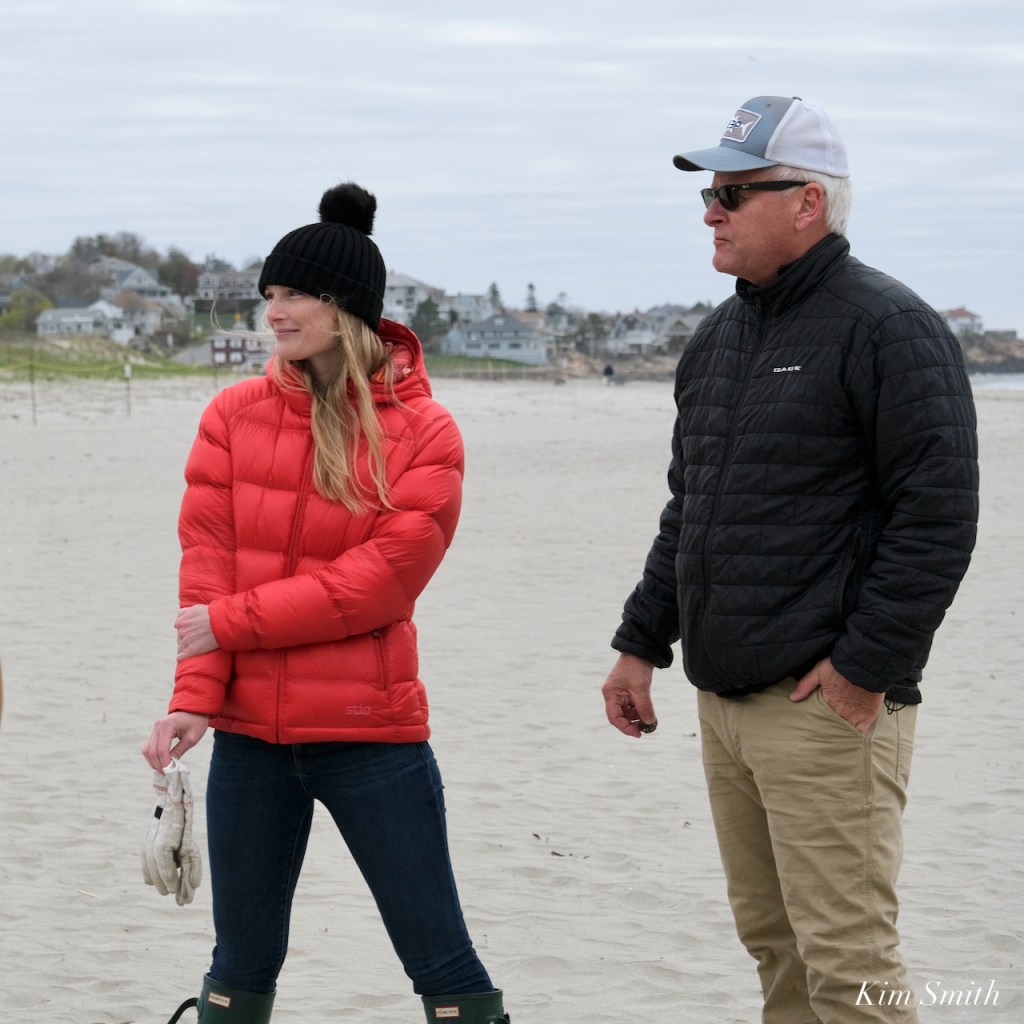
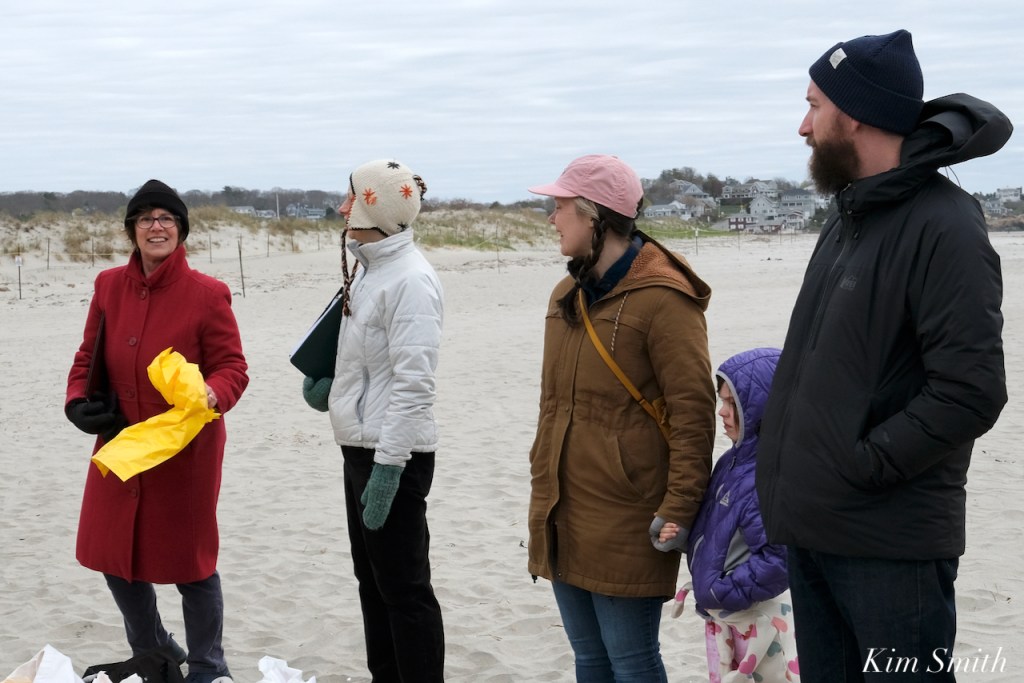
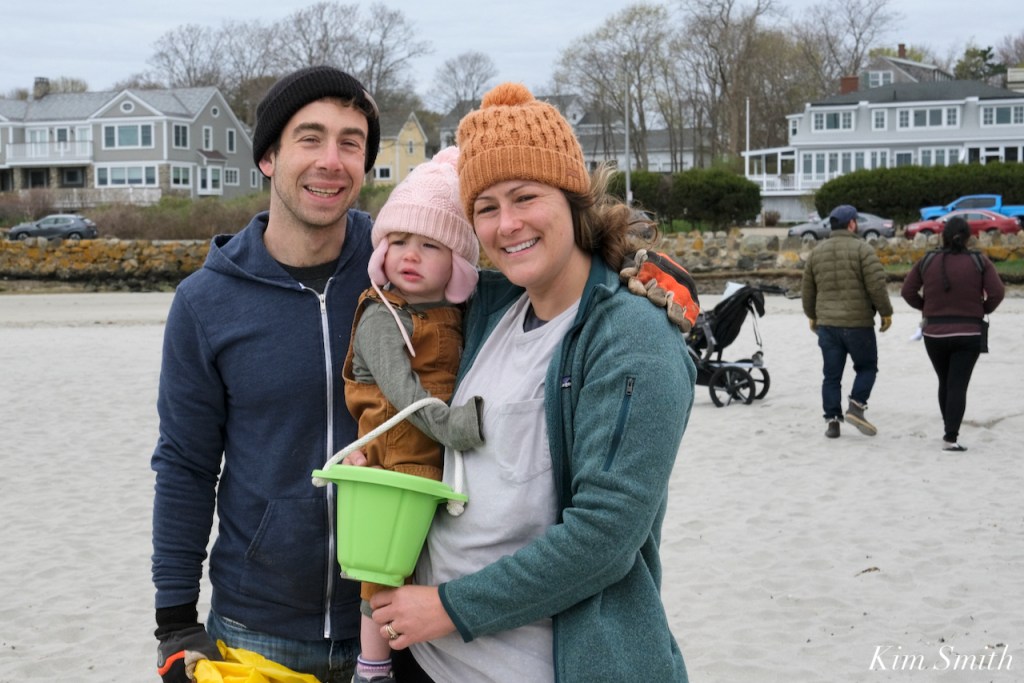
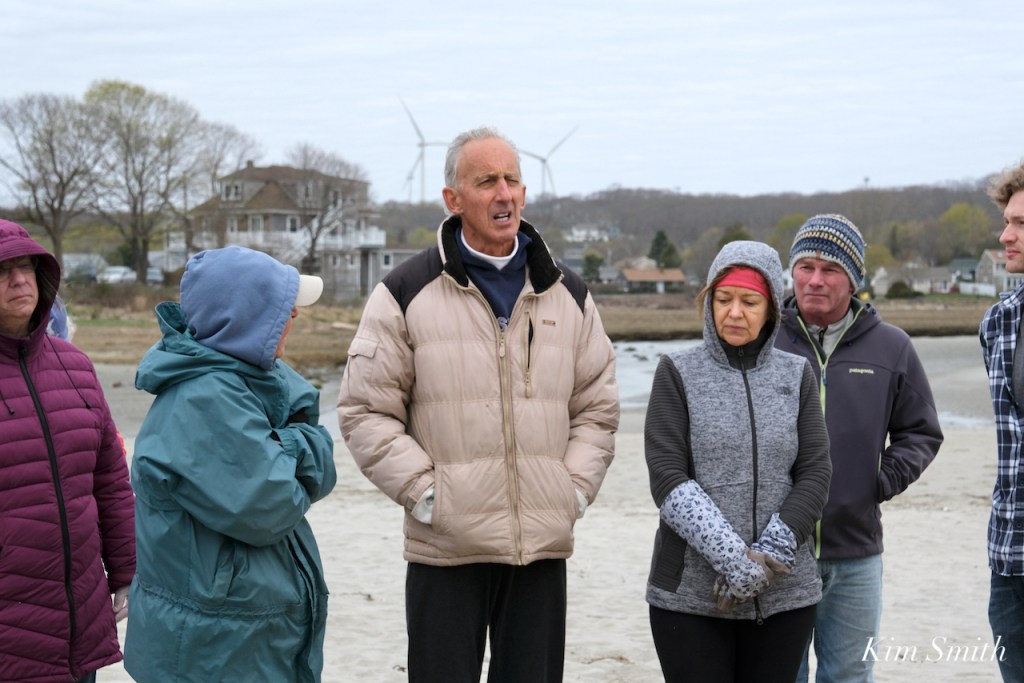
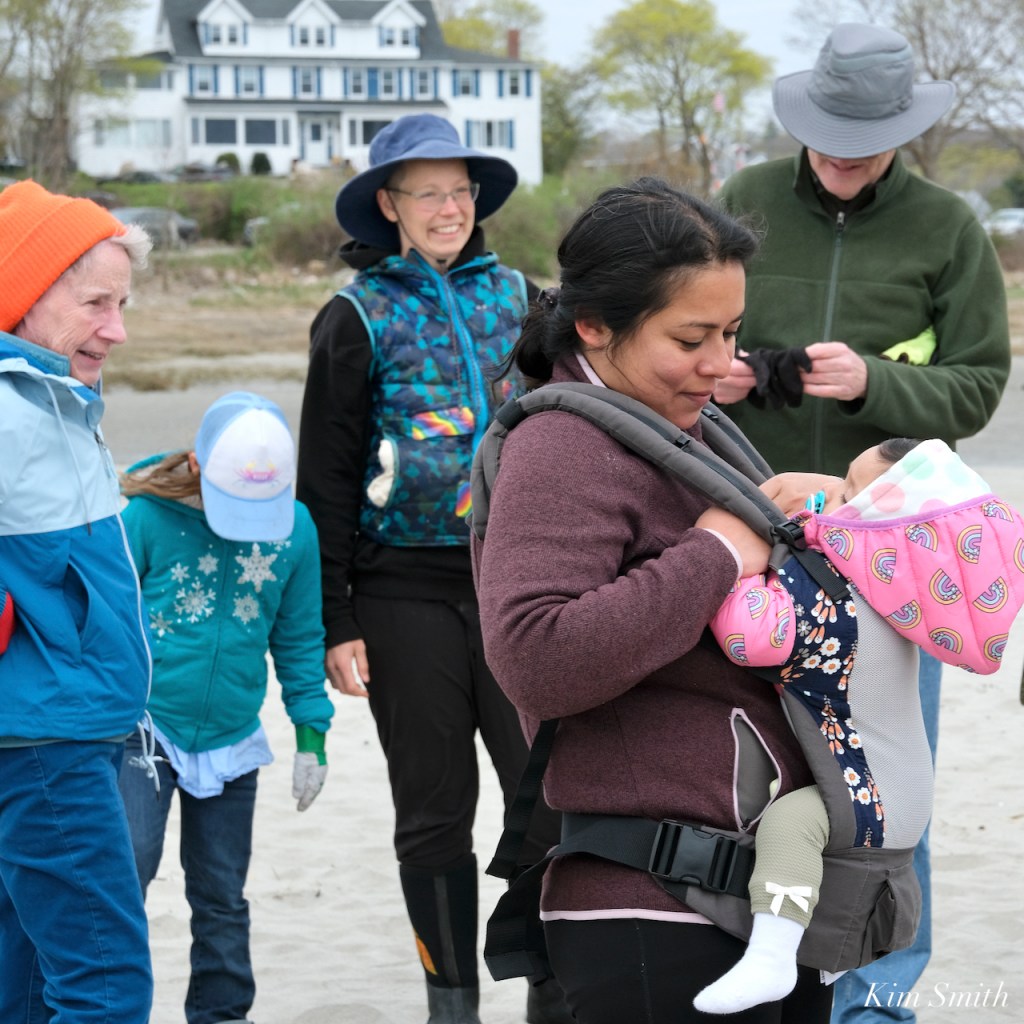
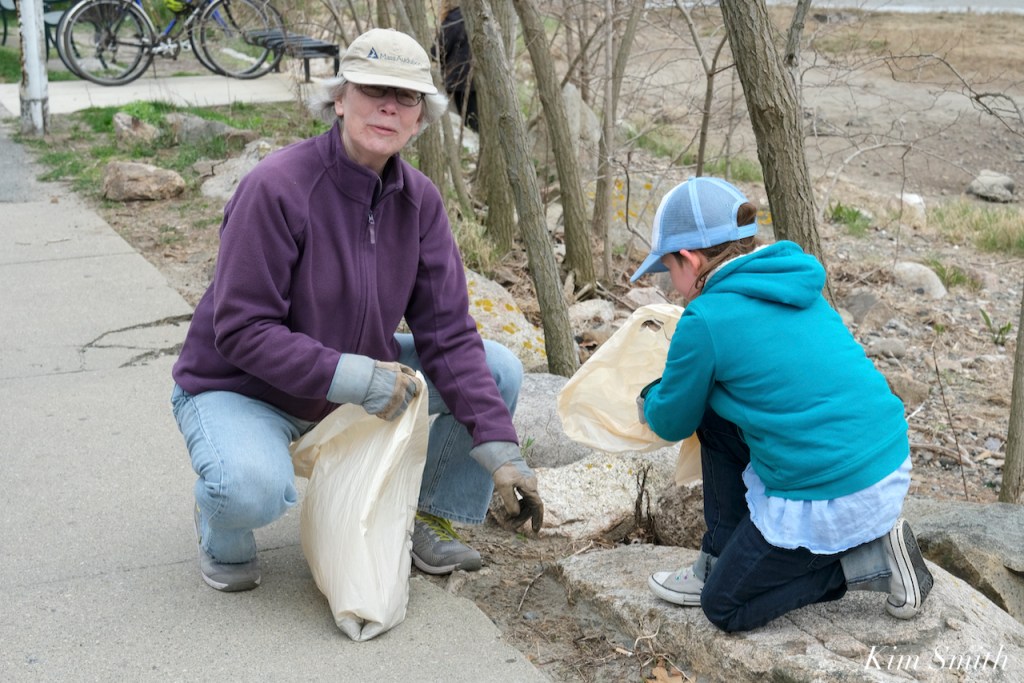
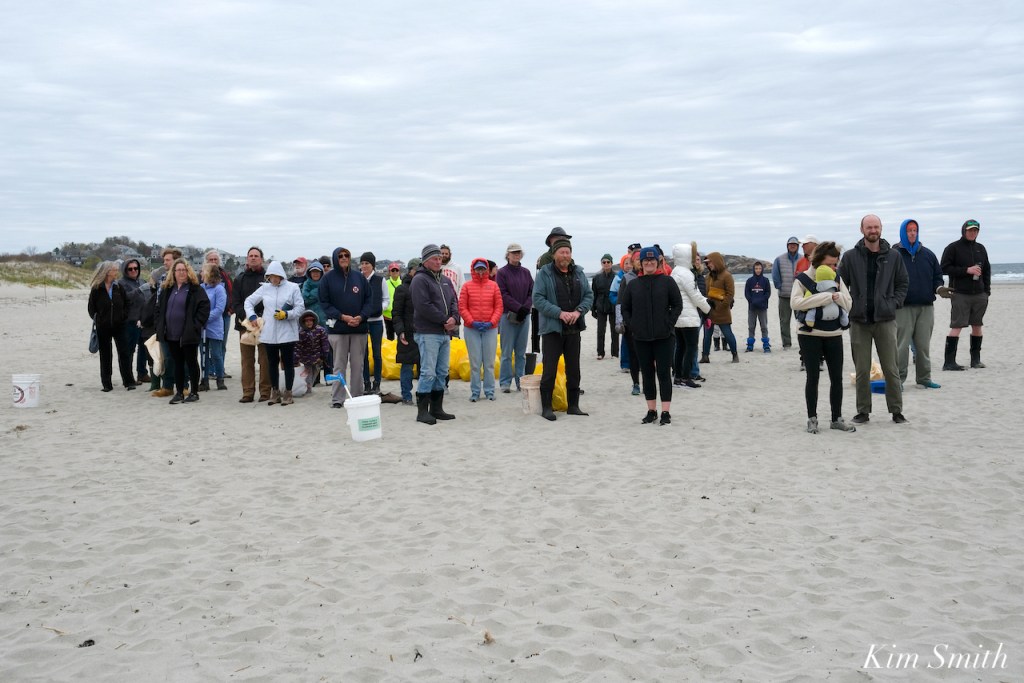
We had a wonderful turnout for the GHB Earth Day clean-up event. With thanks and gratitude to Reverend Sue from the Annisquam Village Church and Rory McCarthy from Clean the Creek for organizing the event. Thank you so very much to everyone who lent a hand!!

Enjoy the sun while it’s shining!

Warmest wishes,

xxKim

Our perpetually scruffy looking, as of yet, unattached, male

Female of male? Leaning toward female as Super Dad allowed her to rest quietly in close proximity to Super Mom, without chasing her/him away

One more of the new boy

CELEBRATING EARTH DAY FROM GOOD HARBOR BEACH!

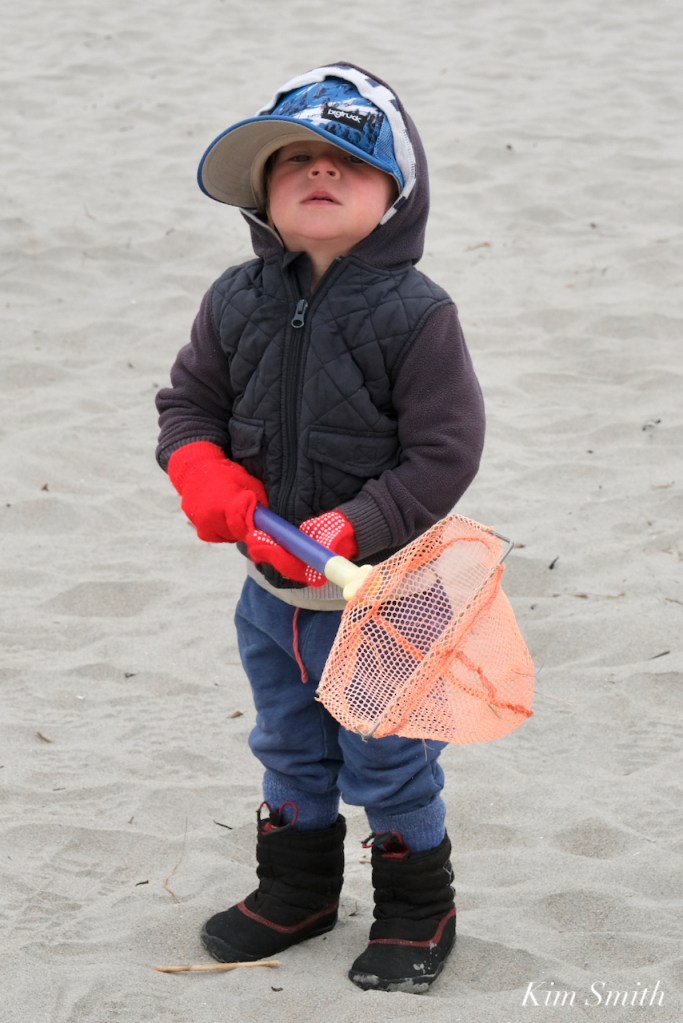
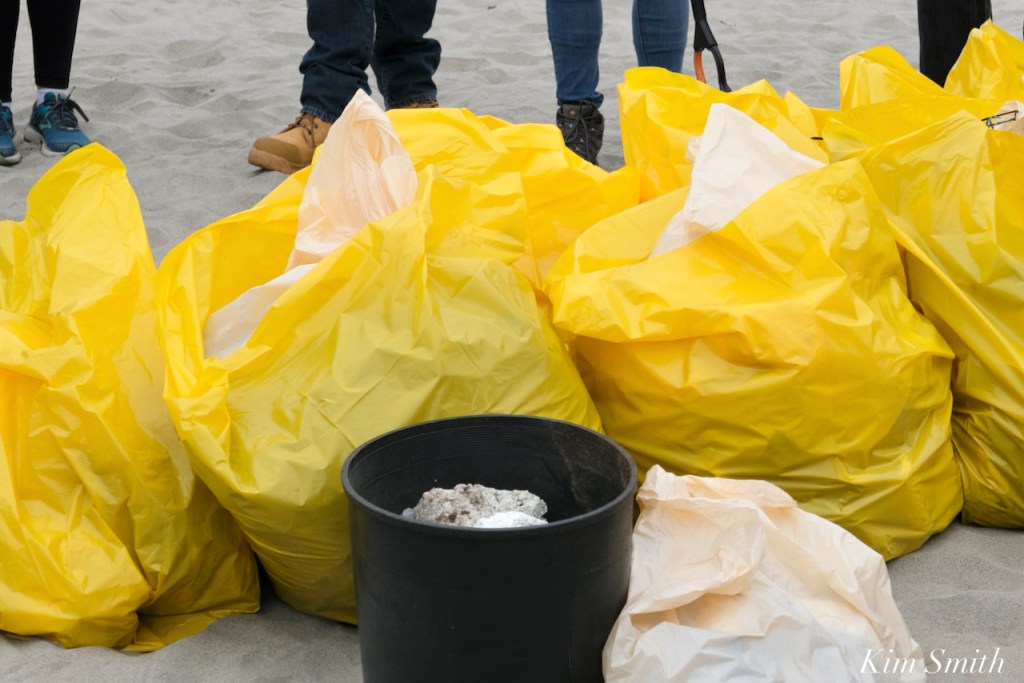
Despite the wind and chilly temperatures, this morning a wonderful multi-generational group of dedicated Earth-stewards met at GHB to clean the beach and to celebrate our beautiful Earth in kind thoughts and prayers. The clean-up was organized by Reverend Sue from the Annisquam Village Church and sponsored by the Cape Ann Climate Coalition Interfaith Group, Clean the Creek, The AVC Creation Care Team, and the Plover Ambassadors.

Thank you to Everyone who attended and for your deep love of Good Harbor Beach.

Celebrating Earth Day!

Please join us tomorrow, Saturday, at 9am at Good Harbor Beach 

Reflections on Earth Day from Town Green founder Dick Prouty

Dear Friends,

When we started TownGreen in 2015, the level of understanding of the threat of climate change was not widespread. Yes, TownGreen had some good Sustainability Fairs with large attendance, and we had a nice solarize campaign in 2017-2018 with well over 100 roof installations at discounted prices. But was there a general awareness that our very existence on the coast was threatened by sea level rise, extreme heat, and more severe climate threats? Not really.

Now, eight short years later, the tide of public opinion is quickly changing. I am heartened by the rapid growth of support for climate action. TownGreen’s community education programs, informed by the valuable research from Harvard’s Graduate School of Design, brings climate change home to our local neighborhoods and beloved icons of Cape Ann, such as Good Harbor Beach. Our programs are resulting in a heightened community awareness of climate impacts and increasing threats to our region. The challenge now is to identify and implement mitigation and adaptation strategies as best we can.

I am thankful for the large numbers of people who have made a difference by supporting TownGreen. There are literally hundreds of you who have contributed to our annual fund, who regularly attend TownGreen webinars and in-person events, and lend your hearts and minds to concrete climate action. Thank you. There is no greater mission than being in this climate fight to save our Cape Ann community for future generations. We are grateful to be working alongside such a wonderful group of friends.

All the best on Earth Day 2023!
Dick Prouty, Chair, TownGreen Board of Directors

Watch how handicapped Super Mom has adapted in how she gets around

Lots of folks are asking, “how does Piping Plover Super Mom manage with her missing foot?” She has adapted beautifully however, you can see from these short clips, that it takes much more effort to get around.

If you see Plovers on the beach know that one may be Super Mom. Plovers need minimal disruption as they are becoming established at their nesting sites and Super Mom even more so.

Thank you for giving the Plovers all the space that they need!

In the summer of 2021, one of the Good Harbor Beach Piping Plover’s foot became entangled in dried seaweed and monofilament. Over the winter she lost all the toes on her right foot. She returned to GHB in 2022. Piping Plover Super Mom has adapted in how she walks, runs, forages, preens, and even in how she mates. Over the summer of 2022 she and her long time partner, Super Dad, successfully raised four chicks to fledge. She has again returned to her nesting site in the spring of 2023. She is healthy, foraging well, and nest scraping with her mate!